


Heineken to shift production from Singapore to Vietnam and Malaysia
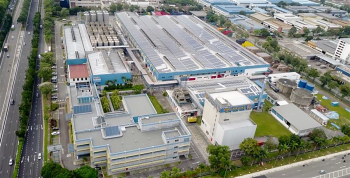
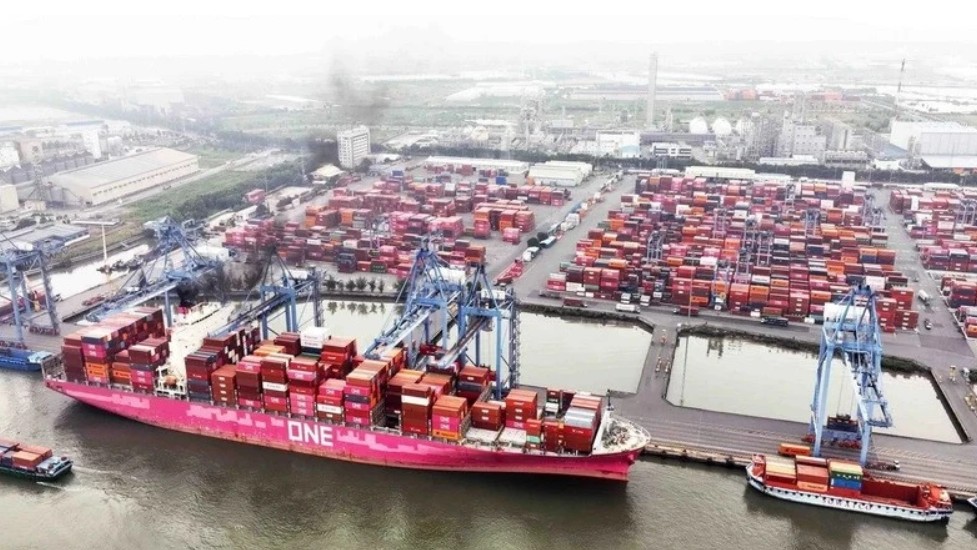
Dutch brewer Heineken will shift its brewing production from Singapore to Vietnam and Malaysia as part of its strategy to build a more agile regional supply approach.


 |
| The Customs sector promotes the use of technology to meet new requirements |
Over the past few years, the Customs sector has concentrated resources, drastically implemented modernization reform, and achieved significant breakthroughs.
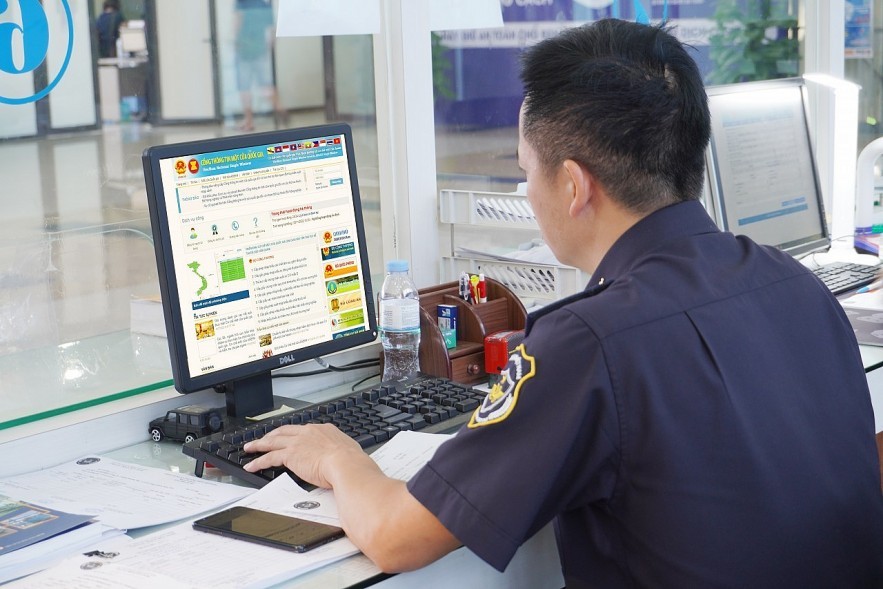
In terms of management method, the customs authority has completely transformed the management method from manual to electronic customs procedure system. In particular, declare information in advance for goods; declare information data to serve full customs clearance on electronic declarations; use the national one-stop shop mechanism and connect it to the ASEAN one-stop shop mechanism; and pay all fees, charges, and taxes in the course of customs procedures using electronic forms.
Furthermore, customs authorities employ a comprehensive and widespread method of assessing the level of compliance of businesses based on risk management techniques and information analysis systems. Therefore, it creates maximum convenience for businesses in customs clearance and cross-border transportation of goods.
The current customs authority's information technology systems are responsive to trade facilitation while strengthening the customs authority's control. Information analysis and risk assessment tools will improve the management quality and efficiency of state management agencies based on the timeliness and accuracy of information.
The Customs Development Strategy for the period 2021- 2030 has been approved with the goal of creating a modern and professional Vietnamese Customs with a strong application of technology from the 4.0 industrial revolution in state management of customs.
Pham Duyen Phuong, Deputy Director of the Department of Information Technology and Customs Statistics (under the General Department of Customs (GDoC), said that while there is a good policy foundation, a good law, a good process, and a good tool, an incompetent implementer does not solve the root of the problem.
Mr. Phuong believes that when it comes to using equipment, machines, and tools to assist people, those people must be retrained to be able to build and implement other things. For example, instead of people having to "see with their own eyes, use with their hands" when moving from pre-inspection to post-inspection or receiving customs declarations, the information technology system has done so. As a result, people will now have to switch to data analysis.
Concerning the legal foundation, management policies continue to focus on manuals and papers. It is not quite automation, but somewhere between electronicization and computerization. The Customs sector has attempted to contribute thoughts and practical perspectives to the development of new documents in order to obtain a 4.0 legal foundation.
The third issue is that the data must be digitized. The GDoC has now reported to the Ministry of Finance that it will submit to the Government a proposal to develop a Decree that specifies the methods and sanctions for connecting and sharing information between state management agencies in service of the management of exported, imported, and in-transit goods and people with means of exit, entry, and transit based on the national single-window mechanism and tools.
Another issue raised by the GDoC representative is the requirement for an information technology system to connect the aforementioned elements. The GDoC is currently submitting to the Ministry of Finance for approval a project to redesign the customs office's automatic customs clearance system, moving toward a digital customs model and smart border management.
Moreover, the GDoC, as the Standing Agency of the National Steering Committee on ASEAN Single Window, National Single Window, and Trade Facilitation, has been working on a project to redesign the national single window information system to meet new requirements and situations./.