


Heineken to shift production from Singapore to Vietnam and Malaysia
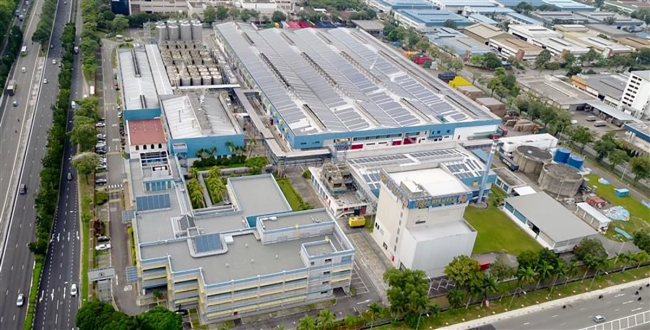
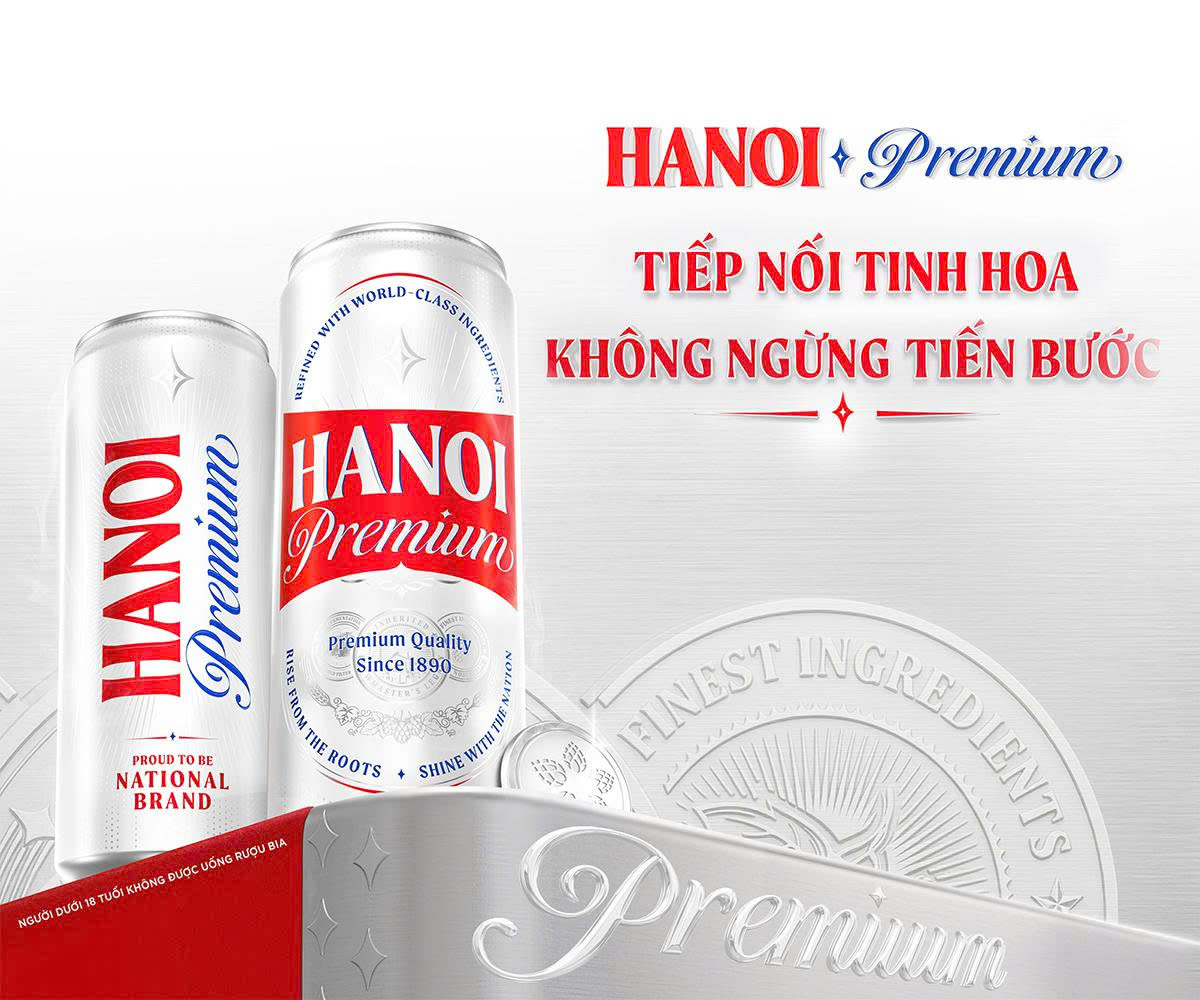
Dutch brewer Heineken will shift its brewing production from Singapore to Vietnam and Malaysia as part of its strategy to build a more agile regional supply approach.

 |
| Illustrative image |
In an interview granted to the press, Coppola explained that the country’s export has been very strong in the past and shown to be resilient, including during the COVID-19 crisis when manufacturing exports were the main driver of GDP growth.
“Even though we expect the growth of exports to slow down as global demand is weakening, exports will continue to contribute to growth going forward,” he said.
He added that domestic consumption and retail sales were powerful engines of growth for the country in the past year. This is reflected by the strong recovery of retail sales, which grew by 17% year-on-year in October 2022 compared to 0.4% year-on-year in January.
Domestic demand is expected to be affected by rising domestic inflation going forward but continue to contribute positively to growth in 2023.
Meanwhile, private investments played an important role, he said, noting that during the first 11 months of 2022, FDI disbursements grew by more than 15% than during the same period in 2021.
“Finally, we need to consider that COVID had a strong impact in Vietnam in 2021, particularly during the third quarter of the year. As a result, the strong economic performance in 2022 is also the result of a low-base effect,” he stressed.
According to the economist, the Vietnamese economy will face strong headwinds in 2023 on both external and internal fronts.
External risks include persistent global inflation pressures, additional monetary tightening, and a sharper-than-expected economic slowdown of Vietnam’s main trade partners, as well as continued disruptions in the global value chains.
Internally, higher inflation, and uncertainty associated with heightened risks in the financial sector could affect growth prospects.
In the current global context characterised by uncertainty and risks, Vietnam’s policymakers have a difficult task of balancing the need to provide continued policy support to solidify the recovery with the need to contain emerging inflation and financial risks, he pointed out.
High uncertainty will require the policy mix to be adapted to changing circumstances, the economist said, adding that if US Fed continues raising interest rates and exchange rate pressures persist, Vietnamese monetary authorities could consider allowing further flexibility in the exchange rate.
Given the persistence of exchange rate pressures, direct foreign exchange sales could be used very cautiously to preserve international reserves, he suggested.
In case faster depreciation leads to a significant increase of inflation and inflation expectations rise, the State Bank of Vietnam (SBV) could consider using again the reference interest rates. However, policy room is limited as interest rates are already high. Close coordination between monetary and fiscal policy would help to minimise further increases of the interest rates.
Authorities could consider reining in public expenditure while prioritising expenditures on human capital development and accelerating the implementation of selected public investments with the highest expected impact on economic growth. Effective public investment management is critical to promote economic growth in an inflationary context.
As for financial sector policies, to address liquidity challenges in the banking sector, in case some banks become more vulnerable and require support, the SBV could help to restore confidence by providing emergency liquidity assistance provided that banks have a plan in place to restore a satisfactory liquidity position, without continuous reliance on SBV lending.
Pointing out, some weaknesses in the implementation of the investment budget in the past few years in Vietnam, the economist suggested that if projects are assessed as not being feasible after a detailed analysis, authorities could consider simplifying administrative procedures to allow timely adjustments of project proposals.
Regarding institutional reform, Coppola cited a recent World Bank Group systematic country diagnostic report titled “How will Vietnam blossom” as saying that improving Vietnam’s performance will require five institutional reforms.
First, creating a solid institutional anchor that will transform development priorities into concrete actions; second, streamlining administrative processes to increase the effectiveness of government at all levels; third, using market-based instruments to motivate public and private stakeholders; fourth, enforcing rules and regulations to enhance motivation, trust, and fairness; and fifth, engage in participatory processes to secure greater transparency and accountability.
By adopting these institutional reforms more systematically, Vietnam will underpin its vision for economic development, strengthen its capacity to implement national strategies, and boost its capacity to produce results in several key areas that will help the country achieve its development goals, such as green growth, digital transformation, financial inclusion, social protection, and infrastructure upgrading, he said./.