





Heineken to shift production from Singapore to Vietnam and Malaysia
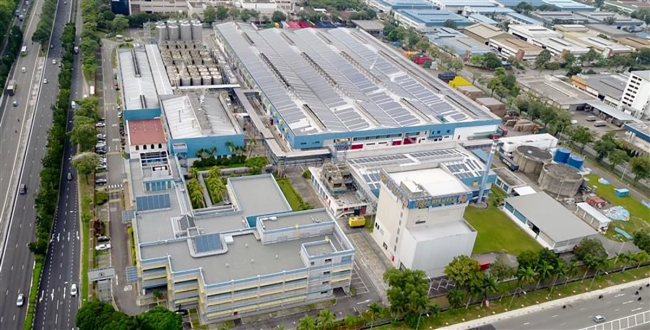
Dutch brewer Heineken will shift its brewing production from Singapore to Vietnam and Malaysia as part of its strategy to build a more agile regional supply approach.


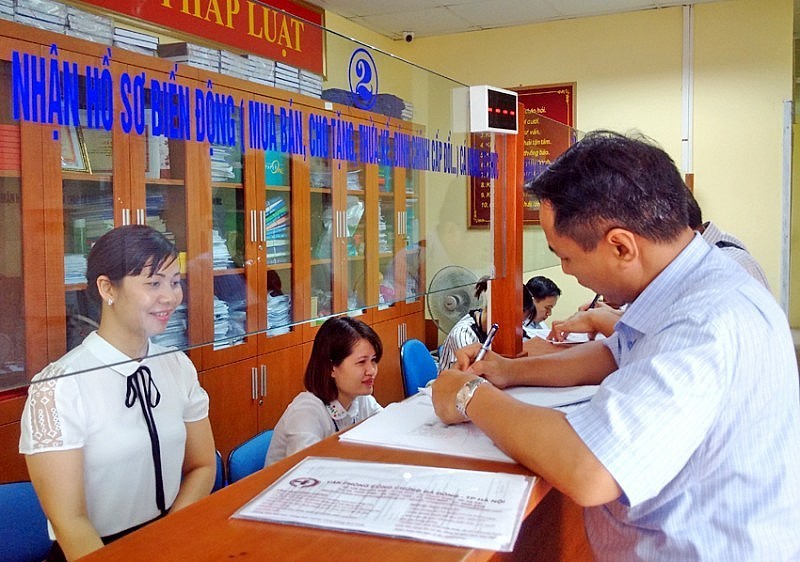 |
| Streamlined organizational structure, effective and efficient operation to reduce recurrent expenses. Photo: TL |
Especially limit spending on public property purchases
The principle of formulating 2024 recurrent expenditure estimate, guided by the Ministry of Finance, has noted that localities must strictly comply with the provisions of the Law on State Budget (State Budget), the Law on Public Investment and other provisions related. “Understanding the principle of publicity, transparency and the requirement of thrift and anti-waste practices according to the resolution of the National Assembly, right from the stage of defining tasks, ensuring the uniform implementation of tasks from the stage of making estimates to the implementation of the allocation, management and use of the state budget. At the same time, it must be close to the ability to perform, minimize the cancellation of the estimate and transfer the source to next year" - the document of the Ministry of Finance instructs.
In addition, in the implementation of the estimate, it must be close and correct on the basis of the performance evaluation in 2023, prioritize the implementation of new arising tasks approved by the competent authorities according to the level of priority, necessity, importance and capability of implementation. The estimate of State budge should be appropriate in accordance with the ability to mobilize from all the resources (including other lawful sources as prescribed).
Ministries, central agencies and localities shall develop detailed recurrent expenditure estimates according to each expenditure field, ensure to meet important political tasks, and fully implement the issued policies and regimes, especially policies on spending on citizens, social security. Estimates of expenditures on procurement of assets and facilities is conducted in accordance with current regulations on standards, norms and regimes for management and use of public assets.
Notably, the 2024 operating cost estimate from the State budget of public services agencies is built on the basis of the objectives of renovation of public service agencies according to the promulgated regulations. In particular, no spending for public service agencies who has been completed completed the price and fee roadmap in 2023 or earlier or is expected to be completed in 2024.
Ministerial and central public service agencies, who self-finance part of recurrent expenditures, develop state budget expenditure estimates in 2024 reduce at least 3% of direct financial support expenditures from the state budget compared to the 2023 estimate, reduce staffing receiving salaries from the state budget. Ministerial and central public service agencies whose recurrent expenditures are guaranteed by the state budget will continue to reduce at least 2% of direct expenditures from the state budget compared to the 2023 estimate, except for basic and essential public services. guaranteed by the state budget…
Downsizing to reduce recurrent expenses
In fact, in order to reduce recurrent expenditure, it is necessary to compact the State apparatus and the staff. Currently, the administrative apparatus is still very cumbersome, making the recurrent expenditure on the staffing very large, limiting the budget for development investment, salary reform, and welfare... The Party and State have consistently advocated for the downsizing of staff in order to build a streamlined and efficient administrative apparatus.
Ministries, branches and localities are currently drastically reducing payrolls according to the guidelines of the Party and State. The good control of the allocation of recurrent expenditure estimates associated with downsizing is one of the effective measures to reduce recurrent expenditure, which is accounting for a large part of the current budget.
Therefore, in guiding state management agencies, the Party, mass organizations, the Ministry of Finance proposes to clarify: Number of payrolls in 2024 (if any), actual payroll numbers until 1/7/2023, the number of unfilled payroll according to the above 2024 payroll target. In case, there hasn’t been approved payroll quota for 2023, build a 2024 estimate based on the payroll for the 2021-2026 period assigned by the Politburo in relevant regulations.
This issue has received the attention of economic experts and National Assembly deputies. It is suggested that the state budget expenditure must be restructured in the direction of reorganizing the apparatus, streamlining the staff, and thoroughly saving recurrent expenditures. At the same time, renovating the public service sector, improving the self-control capacity, reducing direct expenditures from the state budget for these units, thereby devoting resources to many other urgent priorities, especially spending on public services, development investment, social security.
Thoroughly limiting spending, using resources on development investment and social security is one of the priorities in the operation of the Ministry of Finance. According to Minister Ho Duc Phuc, in administering fiscal policy, the Ministry of Finance continues to implement proactively, flexibly and effectively. In addition to the effective implementation of fiscal packages to support people and businesses, the revenue management agencies under the Ministry of Finance continue to synchronously deploy solutions for state budget revenue management and thoroughly reduce costs, saving resources for development investment and social security.