



Heineken to shift production from Singapore to Vietnam and Malaysia
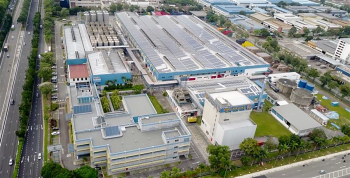
Dutch brewer Heineken will shift its brewing production from Singapore to Vietnam and Malaysia as part of its strategy to build a more agile regional supply approach.

 |
| Experts have believed that VAT reduction will stimulate consumption. (Photo: VNA) |
The MoF has sought feedback from government agencies, sectors and local authorities for a draft National Assembly resolution on the VAT reduction.
The proposed cut would apply to goods and services currently subject to a 10% VAT rate, lowering it to 8%, except for sectors such as telecommunications, finance, banking, insurance, real estate, metals, and mining (excluding coal), as well as goods and services subject to special consumption tax (except petrol).
Notably, the proposal expands VAT reductions to cover technology products and services, prefabricated metal products, refined petroleum, chemical products, and coal at both import and commercial distribution stages.
Despite petrol and kerosene being subject to special consumption tax, they are included due to their critical role in multiple industries and daily life. Fluctuations in fuel prices directly impact domestic production, consumption, and macroeconomic stability.
If approved, the policy is estimated to reduce state budget revenue by approximately 121.74 trillion VND (4.82 billion) over the 18 months, including with 39.54 trillion VND in the latter half of 2025 and 82.2 trillion VND in 2026.
Since 2022, previous VAT reductions have positively impacted businesses and consumers. In early 2025 alone, VAT cuts under the National Assembly’s Resolution No. 174/2024/QH15 saved taxpayers an estimated 8.3 trillion VND (328 million USD), contributing to a 9.4% year-on-year increase in retail sales and service revenue.
Experts viewed the latest proposal as a crucial tool to sustain GDP growth of at least 8% in 2025 and lay the foundation for double-digit expansion between 2026 and 2030.
According to Dr. Nguyen Van Hien, Vice Rector of the Gia Dinh University, lowering the VAT reduces overall market prices, thereby stimulating demand, curbing inflation, and supporting business recovery. Unlike previous six-month tax cuts, this proposal spans 1.5 years and includes petrol and kerosene, a major cost component across multiple sectors. By reducing input costs, businesses can stabilise or lower product prices, benefiting both enterprises and consumers, he noted.
Associate Prof. Dr. Le Xuan Truong from the Academy of Finance emphasised that private consumption accounts for 60-70% of the country's GDP. Stimulating demand is the fastest and most effective way to drive growth and ease business challenges.
Nguyen Quang Huy from the Nguyen Trai University stressed the need for a strategic approach, suggesting that reductions should prioritise high-impact sectors to ensure long-term economic sustainability.
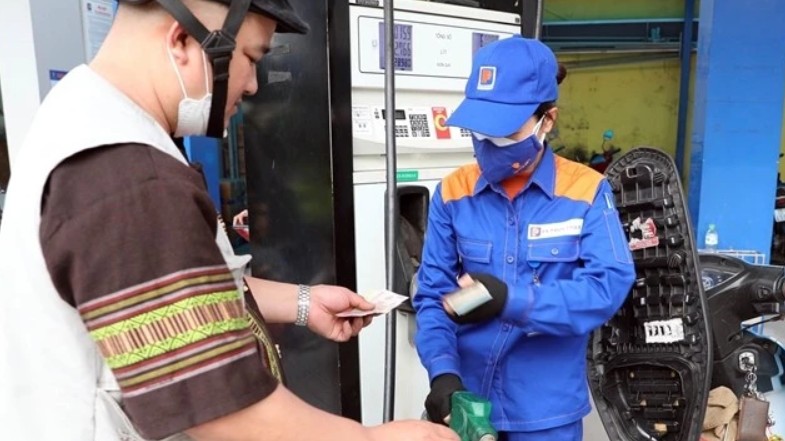
President of the Hanoi Transport Association Do Van Bang welcomed the petrol and kerosene tax reduction, highlighting its significance for the transport sector, where fuel costs account for 30-40% of total expenses. A 2% VAT cut for fuels would translate into substantial savings for businesses and could lower transport fares, benefiting the wider economy, he said.
Concerns over budget shortfalls are addressed through increased revenue from real estate transactions, e-commerce (especially cross-border sales), and personal gold trading. The government also aims to cut unnecessary expenditures and enhance tax collection efficiency through digitalisation./.