

Heineken to shift production from Singapore to Vietnam and Malaysia
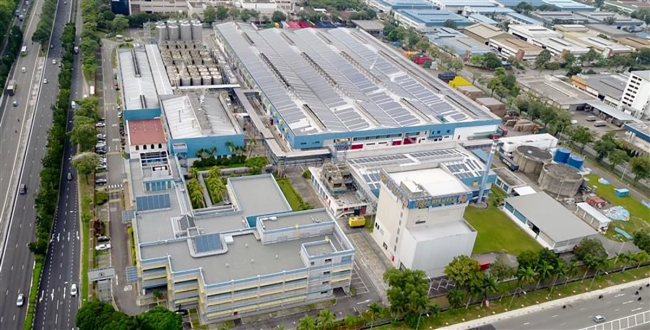
Dutch brewer Heineken will shift its brewing production from Singapore to Vietnam and Malaysia as part of its strategy to build a more agile regional supply approach.

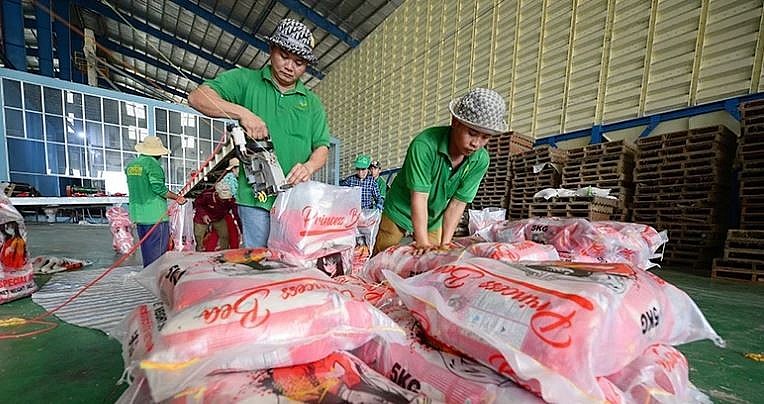 |
| Packing rice for export at Chon Chinh Co., Ltd. (Dong Thap). (Photo: TRAN QUOC) |
The EU has become Vietnam’s fourth-largest trade partner and fifth-largest investor, with total accumulated investment exceeding 30 billion USD. Amidst global economic volatility, assessing the effectiveness of EVFTA is essential to identify solutions for optimising the agreement’s benefits and strengthening Vietnam-EU cooperation in the next phase.
According to the General Statistics Office, Vietnam’s exports to the EU grew from 24.3 billion USD in 2014 to 51.8 billion USD in 2024, averaging 9% annual growth. Imports from the EU also increased but at a slower pace, resulting in a trade surplus of 35.2 billion USD in 2024—the highest among Vietnam’s FTAs. Key export sectors such as textiles, footwear, agriculture, and high-tech products have seen significant growth thanks to EVFTA’s tariff preferences.
Nguyen Anh Duong, a member of the EVFTA five-year review drafting committee, noted that Vietnam’s export potential to the EU remains vast if businesses fully utilise tariff incentives. The utilisation rate of EVFTA’s tariff preferences has risen from 14.8% in 2020 to 35.2% in 2023, though still lower than some other FTAs Vietnam has joined.
EVFTA has also attracted FDI from the EU, particularly in high-tech industries, renewable energy, and financial services. The Netherlands, France, Germany, Luxembourg, and Denmark are the largest EU investors in Vietnam.
Trade, investment, intellectual property rights, and sustainable development have all seen major regulatory adjustments. EVFTA has pushed Vietnamese businesses to adopt digital transformation in production and trade to enhance competitiveness. E-commerce, digital payments, and smart logistics have grown significantly, enabling Vietnamese firms to better access the EU market.
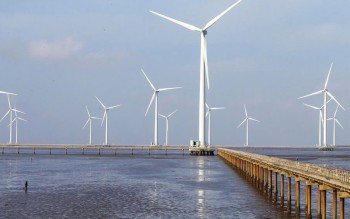
Sustainability standards in EVFTA have pressured Vietnam to invest more in renewable energy, green production, and carbon emission reductions. The agreement also includes binding clauses on sustainable development, encouraging Vietnam to improve policies on environmental protection, corporate social responsibility, and resource efficiency. Compliance with these standards helps elevate Vietnam’s position in global supply chains.
Vietnam must refine its policy framework, support businesses in transitioning to sustainable production models, and enhance oversight and enforcement of labour and environmental commitments to optimise EVFTA benefits and align with the EU’s green trade trends.
Recently, the EU has introduced a series of new regulations, such as the Import Control System 2 (ICS2), the Carbon Border Adjustment Mechanism (CBAM), and the Circular Economy Action Plan (CEAP), which have significant implications for Vietnam’s exports.
Through CEAP, the EU aims to standardise and legislate trade regulations, prioritising circular economy principles. This move advances the EU’s Green Deal objectives, sets new green trade standards, and reinforces global climate and environmental protection efforts. However, these regulations also raise technical barriers to market entry and increase administrative and compliance costs for manufacturers and supply chains.
Trinh Thi Thu Hien, Deputy Director of the Import-Export Department (Ministry of Industry and Trade), noted that the EU’s increasingly stringent technical standards—particularly in the textile sector—pose challenges for businesses in sustainable production, emission reduction, circular economy compliance, and corporate social responsibility.
CEAP also sets detailed requirements for various industries, including plastics, food processing, agriculture, batteries, transportation equipment, and electronics. Businesses must invest in technological upgrades and modify production processes, increasing costs and reducing product competitiveness. Additionally, Vietnamese firms face fierce competition from companies in other countries preparing to meet CEAP’s demands.
Experts emphasise that green and circular economy standards are an irreversible trend and a prerequisite for global supply chain participation.
Nguyen Anh Duong recommends that Vietnam develop policies to support deeper integration into global value chains and better compliance with the EU’s sustainability standards. He also suggests fostering innovation, digital transformation, and production optimisation to enhance competitiveness. Vietnam should continue reviewing and adjusting legal frameworks to ensure the full and effective implementation of EVFTA commitments. Future cooperation between Vietnam and the EU should focus on regulatory alignment with emerging technology and sustainability trends.
Businesses must further enhance their ability to leverage EVFTA’s tariff incentives, shift to sustainable production models, invest in technology, and prepare for increasingly stringent EU standards. Additionally, improving certification systems, product traceability, and trade defence mechanisms will be key to maintaining Vietnam’s competitive edge in the EU market./.