
Heineken to shift production from Singapore to Vietnam and Malaysia
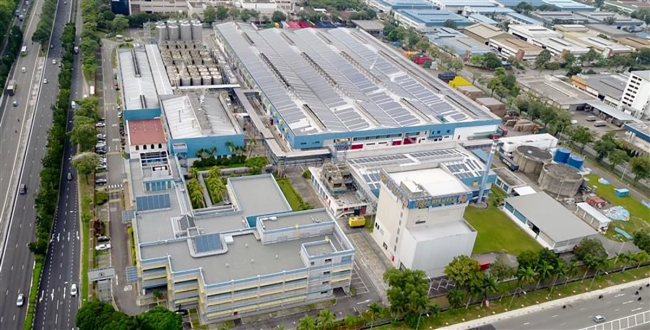
Dutch brewer Heineken will shift its brewing production from Singapore to Vietnam and Malaysia as part of its strategy to build a more agile regional supply approach.


On February 28, the United States and Israel began military action against Iran, triggering active conflict now in its second week. Iran has retaliated beyond symbolic measures – striking Gulf neighbours including the UAE and Saudi Arabia, and threatening to disrupt shipping through the Strait of Hormuz.
As war rages across the region, hundreds of thousands of travellers have been stranded in the Middle East following the cancellation of thousands of flights. Airlines and governments are scrambling to help passengers flee the war zone. Against this backdrop, Oman has emerged as an evacuation hub for tourists, expatriates and business executives stranded in the neighbouring UAE. Muscat International Airport in the Omani capital has remained open even as fighting across the region escalates.
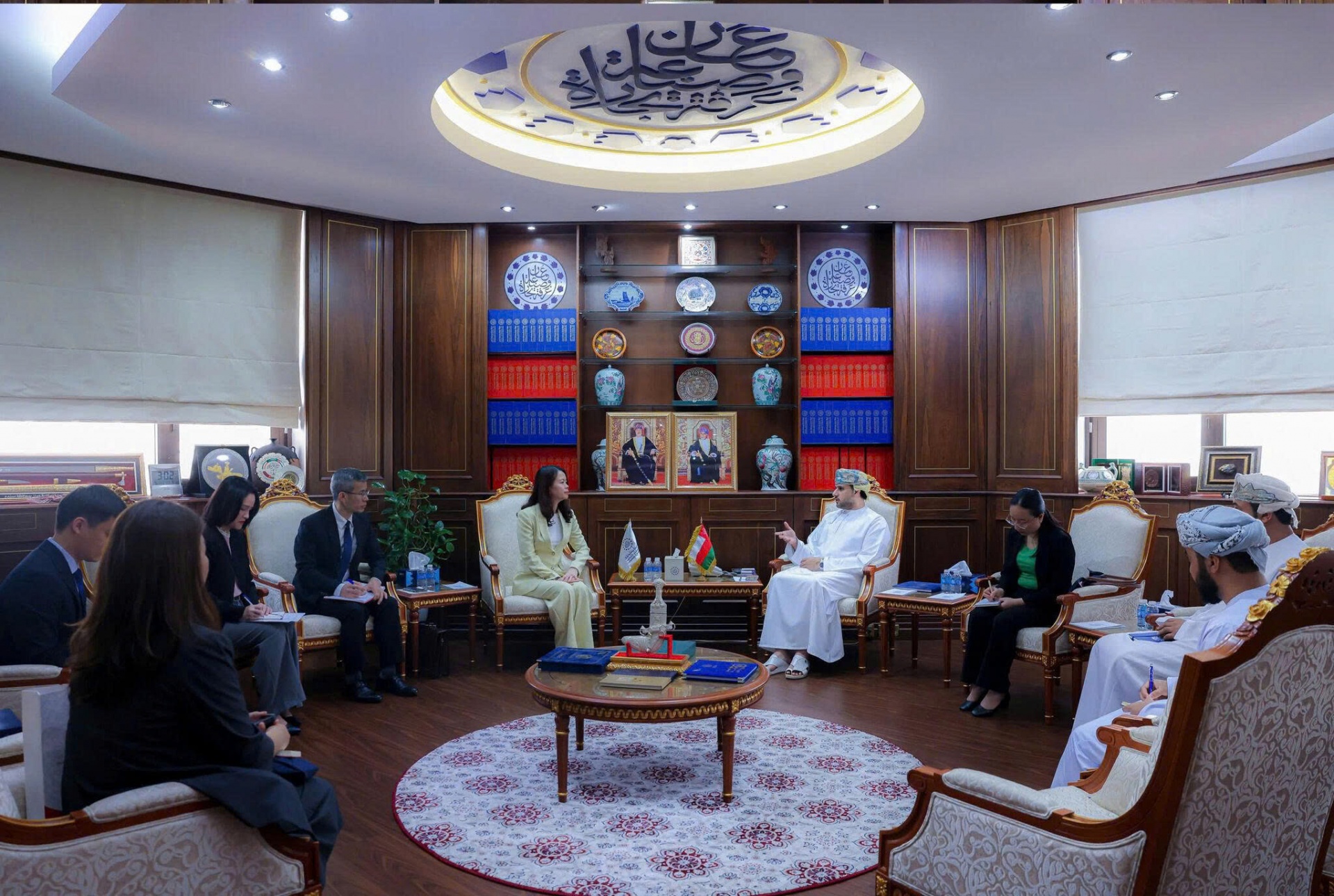 |
Oman is one of the few countries largely unaffected by the Middle East tension, thanks to its geopolitical advantages. Oman lies along the Strait of Hormuz, one of the world's most important shipping routes and its most vital oil transit choke point. The strait, which connects the Gulf with the Arabian Sea, is bounded to the north by Iran and to the south by Oman and the UAE.
In terms of foreign policy, Oman has spent years cultivating a reputation as a quiet mediator in a turbulent Middle East, maintaining diplomatic ties with both Tehran and Washington and frequently serving as a vital back-channel between the US and Iran. While neighbouring Gulf states have weathered repeated attacks as the fighting has escalated, Oman has remained largely insulated, as reported by the New York Times.
According to a report by the International Monetary Fund in January, Oman’s economy has demonstrated strong resilience to shocks, with economic activity expanding amidst low inflation and fiscal and external positions remaining strong. Oman's economy is expected to grow by 4 per cent during 2026 compared to 2.9 per cent in 2025.
Oman remains substantially dependent on oil, but the country is actively pivoting away from oil dependency. Under Oman Vision 2040, it aims to increase the share of non-oil GDP by developing key sectors such as tourism, logistics, manufacturing, the digital economy, and green hydrogen.
With its strategic location, neutral foreign policy, and growing economy, Oman has become an ideal and stable gateway for Middle Eastern capital flowing to other markets, including Vietnam.
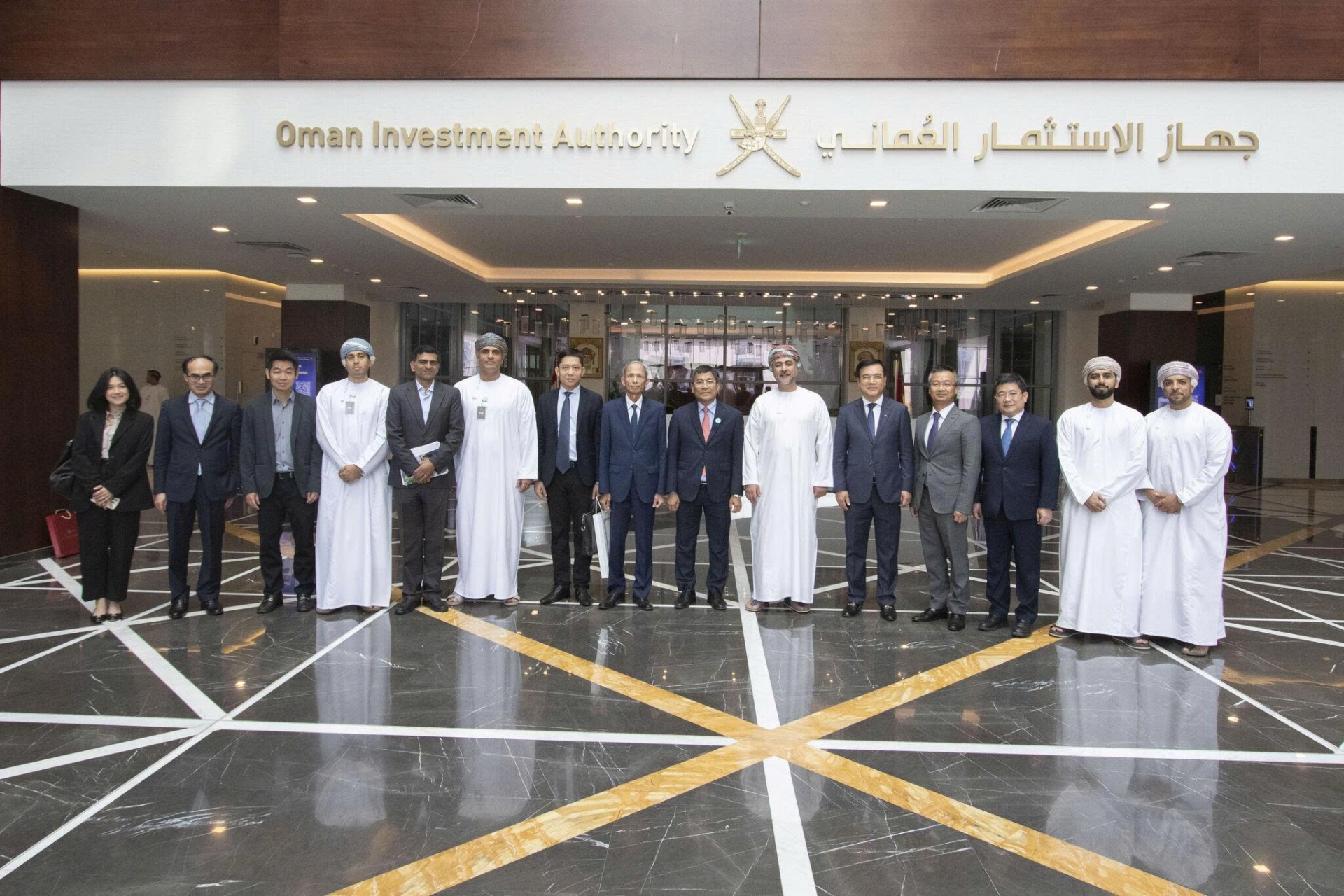 |
Oman is one of Vietnam’s leading potential partners in the Middle East region. Cooperation between the two countries has achieved positive results, with ample room for expansion. In this context, the Vietnam–Oman Investment Fund (VOI) has played an important role in strengthening the strategic partnership between the two countries.
Founded in 2008, VOI is the first intergovernmental investment fund between Vietnam and a Gulf country. VOI has two founding shareholders, the Oman Investment Authority and State Capital Investment Corporation. Guided by its core values of sustainability, cooperation, and integrity, the fund focuses on long-term and responsible investments.
After 18 years of presence in Vietnam, VOI has executed over 20 investments across critical sectors, including infrastructure, energy, industry, finance, education, healthcare, and real estate, deploying around $400 million, significantly exceeding its initial $100 million commitment. This reflects the growing confidence of Middle Eastern investors in Vietnam’s business and investment climate. These investments have been deployed selectively, targeting leading enterprises with strong growth potential that serve as the backbone of the capital market.
This year, VOI has participated in BIDV’s private placement to become its shareholder. The move demonstrates Middle Eastern investors’ long-term commitment to supporting the modernisation of Vietnam’s capital market. In addition, several companies backed by VOI have completed initial public offerings like F88 and Techcom Securities, bringing Middle Eastern capital into the stock market.
Against the backdrop of increasing geopolitical tensions in the Middle East, Vietnam is seeking stronger cooperation with regional partners to ensure stable oil supplies and maintain steady capital inflows. In this context, Oman in general and VOI in particular serve as stable and long-term sources of capital for Vietnam. The fund’s long-term investment approach contributes to strengthening financial stability, supporting sustainable economic growth, and deepening economic ties between Vietnam and Oman.