


Heineken to shift production from Singapore to Vietnam and Malaysia
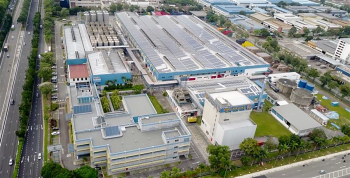
Dutch brewer Heineken will shift its brewing production from Singapore to Vietnam and Malaysia as part of its strategy to build a more agile regional supply approach.

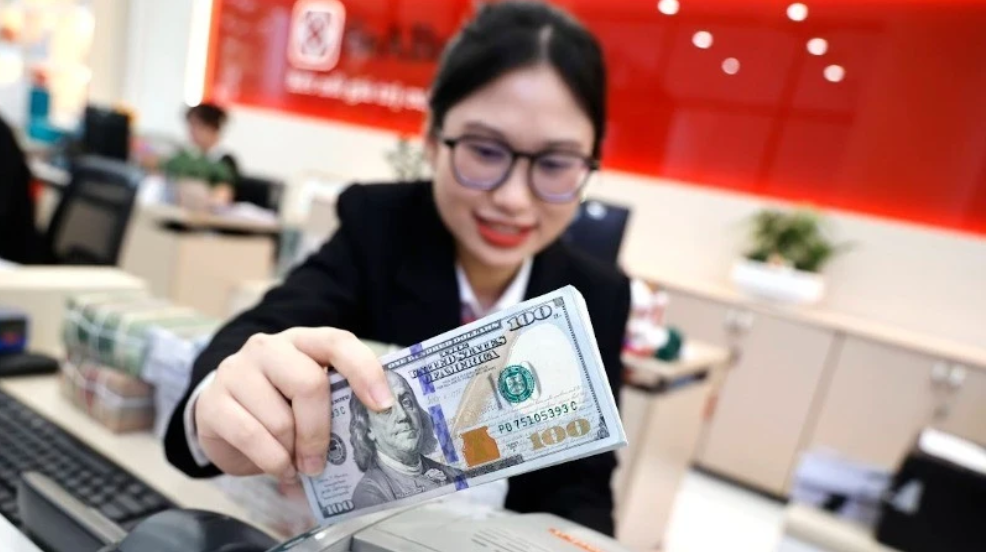 |
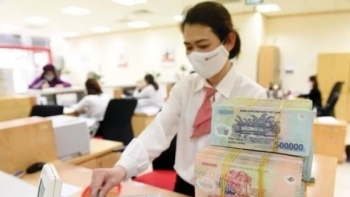
| UOB forecasts exchange rate fluctuations of around 2%-3% in 2025. |
Managing exchange rates in a balanced manner to ensure equilibrium among key objectives - controlling inflation, promoting exports, stabilising financial markets, and protecting foreign exchange reserves - poses a considerable challenge for policymakers at this time.
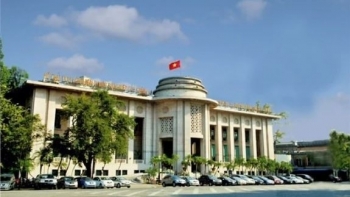
In recent months, despite significant external pressures, the SBV has demonstrated flexibility in managing exchange rates. It has utilised monetary policy tools and intervened in the foreign exchange market when necessary to maintain the stability of the Vietnamese dong (VND). This approach has helped control inflation, sustain macroeconomic stability, and support export growth.
The SBV has proactively adjusted interest rates and promoted credit expansion to simultaneously control inflation, support economic growth, and stabilise the exchange rate. Notably, foreign exchange reserves have played a crucial role in enabling interventions to stabilise the exchange rate and ensure liquidity. Most recently, at the end of 2024, in response to market fluctuations following the US Federal Reserve’s (Fed) interest rate cuts, the SBV sold US dollars to maintain exchange rate stability.
Maintaining exchange rate stability is vital in protecting the economy and supporting businesses in Vietnam, particularly foreign direct investment (FDI) enterprises, as it fosters a stable business environment. However, experts note that exchange rate stability often conflicts with economic growth objectives. To stimulate growth, the government and SBV typically adopt expansionary monetary policies, such as lowering interest rates or increasing credit supply. While these measures boost economic activity, they may also lead to inflation and depreciation of the VND, putting pressure on the exchange rate.
SBV Governor Nguyen Thi Hong emphasised that excessive interest rate reductions could lead to an increase in exchange rates, negatively impacting investor sentiment, especially among foreign investors. Conversely, a tight monetary policy - raising interest rates or restricting credit - can stabilise exchange rates but may reduce demand and slow economic growth.
Additionally, global factors such as monetary policies in the US, EU, and Japan, trade wars, or financial crises can influence Vietnam’s exchange rate, exerting devaluation pressure on the VND. These complexities necessitate a flexible monetary policy that balances exchange rate stability, currency value protection, and economic growth.
Exchange rate stability is particularly important as the Government of Vietnam continues to demonstrate strong commitments to fostering business development and attracting foreign investment. However, in addition to the SBV’s policies to stabilise the exchange rate and protect the VND’s value, further efforts are needed to increase investor confidence, attract new foreign capital, and retain existing investors.
Among the key areas for improvement, foreign investors have highlighted the need for simplifying work permit procedures to facilitate the employment of foreign professionals, reducing legal burdens for businesses, and standardising business registration processes nationwide to improve efficiency and transparency./.