




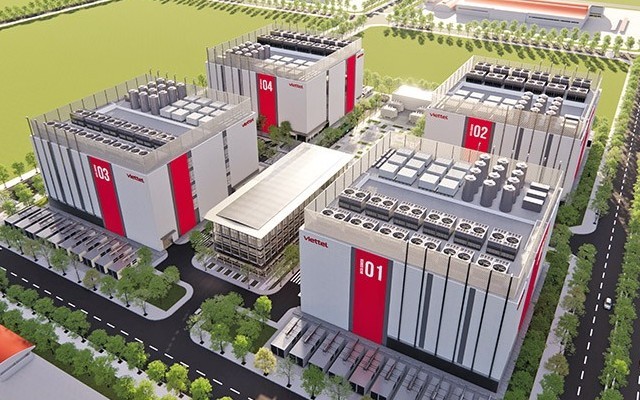


Heineken to shift production from Singapore to Vietnam and Malaysia
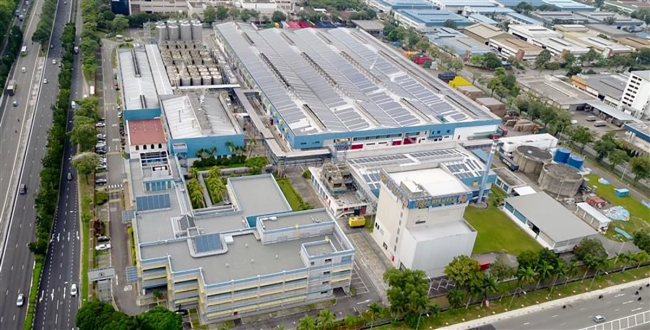
Dutch brewer Heineken will shift its brewing production from Singapore to Vietnam and Malaysia as part of its strategy to build a more agile regional supply approach.


At an investor meeting on January 28, VPBank outlined an optimistic business outlook for 2026, with management signalling plans to drive earnings growth and expand lending activities, according to a post-meeting report released by Vietcap Securities.
VPBank is targeting consolidated pre-tax profit growth of around 30 per cent on-year, alongside credit growth of approximately 35 per cent – significantly higher than the system-wide credit growth ceiling of about 15 per cent projected for 2026.
Growth momentum is expected to come from both the parent bank and its key subsidiaries.
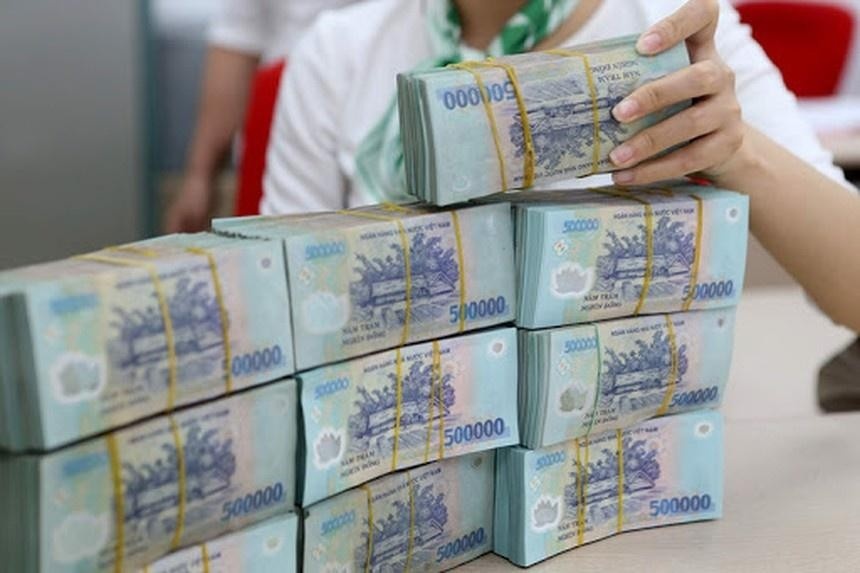 |
With a credit growth target of 35 per cent, the main drivers will be retail lending and small and medium-sized enterprises (SMEs), while the share of unsecured loans is expected to gradually increase to account for 10-11 per cent of the bank’s total loan portfolio.
As the State Bank of Vietnam (SBV) is orienting system-wide credit growth at around 15 per cent and maintaining cautious control over capital flows into the real estate sector to ensure asset quality, VPBank expects the impact to be limited.
The bank plans to reduce the proportion of real estate lending to around 23 per cent, from 26.7 per cent at the end of 2024.
Looking back at 2025, VPBank recorded consolidated credit growth of 35.4 per cent, with retail lending up 25 per cent on-year and SME lending – its core focus segment –rising 38 per cent.
Meanwhile, state lender BIDV stated that it aims for profit growth of between 10 per cent-21 per cent, potentially exceeding $1.6 billion. Asset quality is expected to improve, with the non-performing loan (NPL) ratio declining to 1.1 per cent.
At an investor conference held on February 2, MB board chairman Luu Trung Thai stated that the bank has set high expectations for expanding its operating scale in 2026, targeting credit growth and capital mobilisation of around 35 per cent. This level is higher than the market average, supported by advantages gained from participating in the restructuring of a mandatory transferred bank.
“In terms of financial performance, MB expects profit growth of 15-20 per cent, equivalent to approximately $1.58 billion. Member companies are identified as key business spearheads, projected to contribute around 12-13 per cent of the group’s total profit,” he said.
MB plans to roll out several high-potential new business lines, including gold trading, while preparing secure platforms to participate in the digital asset market.
Regarding risk management and capital adequacy, MB aims to keep the group-wide NPL ratio below 1.5 per cent (below 1 per cent for the parent bank) and maintain an NPL coverage ratio of 100 per cent.
On interest rate policy, MB expects to maintain reasonable lending rates, prioritising genuine housing demand and production sectors in line with government orientation.
Speaking at the investor meeting held on January 21, Techcombank CEO Jens Lottner forecast that upward pressure on deposit interest rates could emerge within the next six months. Under the plan, Techcombank’s deposit rates may rise by approximately 0.5–0.6 percentage points in the coming year.
“Regarding funding structure, Techcombank is focusing on strengthening capital buffers and liquidity to ensure operational safety, while preparing for the roadmap to adopt Basel III standards,” he said.
According to bank leadership, this will require Techcombank to improve safety indicators, including the loan-to-deposit ratio and other ratios stipulated under Basel III.
Techcombank CFO Alexandre Macaire revealed that the bank has been granted a credit growth limit quota of 12 per cent. However, the credit growth limit for the full year 2026 is expected to be significantly higher, supported by the bank’s strong asset quality and business performance.
“In parallel, the bank continues to leverage the capital market, bond market and syndicated loans to diversify funding sources, thereby maintaining stable liquidity,” said Macaire.
Techcombank’s leadership added that in the coming period, the bank expects to further improve its current account savings account ratio, while accelerating wealth management activities to enhance the quality of mobilised funding and ensure sustainable liquidity at a reasonable cost.