


This recovery provides a solid foundation for foreign direct investment (FDI) inflows in 2026, a year that could prove significant for Vietnam’s manufacturing trajectory as global supply chains evolve and investment flows shift across Asia.
 |
| Vlad Savin, partner, Acclime Vietnam |
This momentum is unfolding within a broader regional reallocation of manufacturing investment. Over the past decade, multinational corporations have accelerated diversification strategies in response to rising costs, geopolitical uncertainties, and the need for supply chain resilience. Southeast Asia has emerged as a key beneficiary, with Vietnam, Indonesia, Thailand, and Malaysia competing to attract manufacturing capital across sectors such as electronics, automotive, machinery, and renewables.
While Vietnam has gained an early-mover advantage, regional peers are rapidly strengthening their industrial ecosystems. As a result, Vietnam’s ability to sustain manufacturing FDI will increasingly depend not only on cost competitiveness, but on deeper structural strengths.
One of the most important drivers supporting manufacturing is the continued use of fiscal policy tools to stabilise production and business activity. Measures to reduce and extend taxes, fees, and land rents have helped ease cost pressures for enterprises, particularly small and medium-sized firms that play a critical role in manufacturing supply chains.
Importantly, Vietnam continues to maintain fiscal space, with public debt and budget deficits kept within prudent limits. This allows the government to mobilise resources effectively, including through bond issuance, to invest in nationally important projects and priority areas such as science and technology, innovation, and digital transformation. These investments are gradually enhancing the long-term competitiveness and resilience of the manufacturing sector.
Legal and regulatory reform is another key factor shaping FDI prospects in 2026. Amendments to the Law on Investment are designed to significantly improve the ease of doing business. A central feature of the reform is the overhaul of conditional business lines, including the abolition of 38 conditional lines and revisions to 27 others. This streamline has practical implications for market entry and expansion, reducing administrative procedures, lowering compliance costs, and improving transparency for investors.
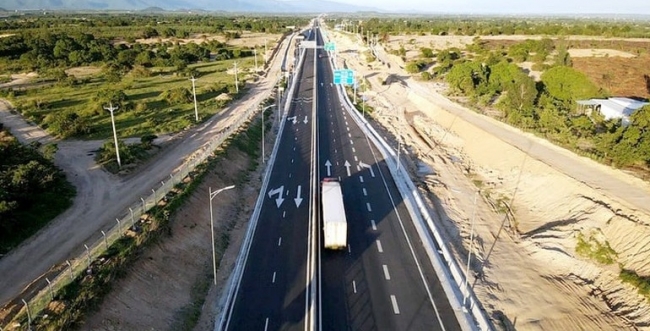
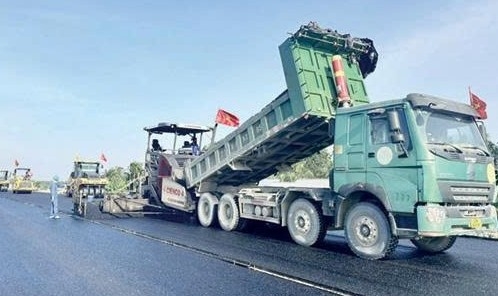
Infrastructure development remains central to Vietnam’s manufacturing appeal. Large-scale logistics projects, including the Can Gio International Transshipment Port, the Hon Khoai Port, and other planned deepwater ports, are expected to significantly strengthen connectivity and reduce logistics costs. At the same time, the development of integrated, multi-modal logistics master plans linking ports, airports, railways, and roads is helping improve network efficiency and resilience.
Vietnam’s economic zones are increasingly offering modern infrastructure with integrated digital capabilities such as 5G and cybersecurity, alongside more reliable clean energy supply. A notable trend is the rise of multi-story factory buildings, which can significantly optimise land use and allow more flexible modular leasing. This model is already being implemented in key industrial hubs including Ho Chi Minh City, Binh Duong, Dong Nai, Tay Ninh, and other major manufacturing clusters.
Ensuring reliable, affordable, and low-carbon energy supply is key for investors. Vietnam is moving towards a more balanced energy system that combines renewables with conventional sources, and, over the longer term, nuclear energy. This transition is essential to support energy-intensive industries while meeting growing environmental, social, and governance (ESG) expectations.
Tech and innovation are also becoming more prominent drivers of FDI. Vietnam’s semiconductor development plan, which aims to position the country as a key player in the global semiconductor and electronics industries by 2050, marks a strategic shift up the value chain. The recent groundbreaking of Viettel’s chip manufacturing plant represents an important step in Vietnam’s participation in the semiconductor ecosystem.
The passage of amendments to the Law on Intellectual Property, effective from April, further strengthens the investment environment. By modernising intellectual property protection, streamlining procedures, and enhancing enforcement, the law helps build a more trusted innovation ecosystem and reduces risks related to tech transfer.
Labour and skills development also remain a critical enabler. A human resource development strategy to 2030 has been set out, prioritising STEM education, digital skills, and strategic industries such as semiconductors, AI, and clean tech. Pilot programmes in Bac Ninh, Danang, and Ho Chi Minh City illustrate growing alignment between education, industry needs, and inclusive growth.
Sustainability is emerging as an additional driver of manufacturing FDI through expansion of green finance. As green credit becomes a strategic pillar of the banking system, it supports higher governance standards and encourages efficiency-driven business models. For foreign investors subject to ESG requirements, the availability of sustainable financing enhances Vietnam’s attractiveness as a compliant manufacturing base.
Finally, Vietnam’s geopolitical positioning and extensive network of free trade deals play an important role in reinforcing investor confidence. Such deals provide manufacturers operating in Vietnam with broad and diversified market access, while also helping to mitigate external shocks.