



Heineken to shift production from Singapore to Vietnam and Malaysia
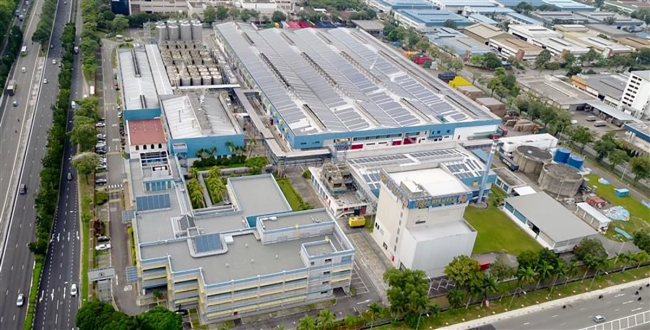
Dutch brewer Heineken will shift its brewing production from Singapore to Vietnam and Malaysia as part of its strategy to build a more agile regional supply approach.


 |
According to a VinaCapital report released on January 29, Vietnam is effectively just one notch below investment grade, following Fitch Ratings’ upgrade of the country’s long-term senior secured debt to BBB-. This marked the first time a Vietnam sovereign-linked instrument has achieved an investment-grade rating, while the government has also outlined measures aimed at securing a full sovereign investment-grade credit rating by 2030.
Michael Kokalari, chief economist of VinaCapital, said, "Vietnam already meets most of the quantitative criteria (e.g., debt-to-GDP ratios) required for an upgrade and only needs to address a limited set of qualitative issues (e.g., policy predictability), which VinaCapital believes will receive heightened attention as recognition of the importance of achieving an upgrade grows. Vietnam is rated one notch below investment grade by S&P and Fitch and two notches below by Moody’s."
Achieving investment grade status would lower Vietnam’s cost of funding, facilitate large-scale infrastructure development, and support the country’s stock market by unlocking access to a wider group of global institutional investors. Consequently, achieving an upgrade is becoming increasingly urgent for Vietnam to fund its ambitious infrastructure development plans, particularly as large-scale projects that rely on imported technologies (e.g., high-speed rail and power-generation) require substantial foreign currency financing.
"An upgrade could be even more meaningful for Vietnam’s stock market than the recent FTSE Russell emerging market equity reclassification. Past first time upgrades to an investment grade rating have coincided with outsized equity gains during the upgrade window," Kokalari said, adding that Vietnam needs to address three key issues to achieve an upgrade to an investment grade rating.
First is adequate financial sector protections, including larger foreign exchange reserves, a healthier banking system, limits on excessive leverage, and stricter lending rules, among others.
Second, policy and legal predictability must be strengthened through clearer government decision-making and more predictable policy cycles, the closure of regulatory gaps in financial supervision and corporate oversight, and legal protections for foreign investors.
Third, data transparency should be improved through the publication of more detailed external accounts data, full state-owned enterprise/public-private partnership liabilities, and standardised bank asset-quality metrics in non-performing and restructured loans.