



Heineken to shift production from Singapore to Vietnam and Malaysia
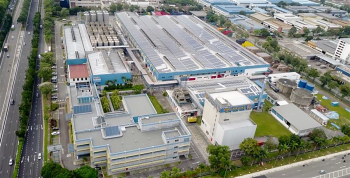
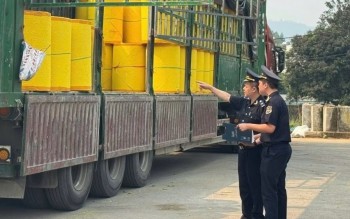
Dutch brewer Heineken will shift its brewing production from Singapore to Vietnam and Malaysia as part of its strategy to build a more agile regional supply approach.


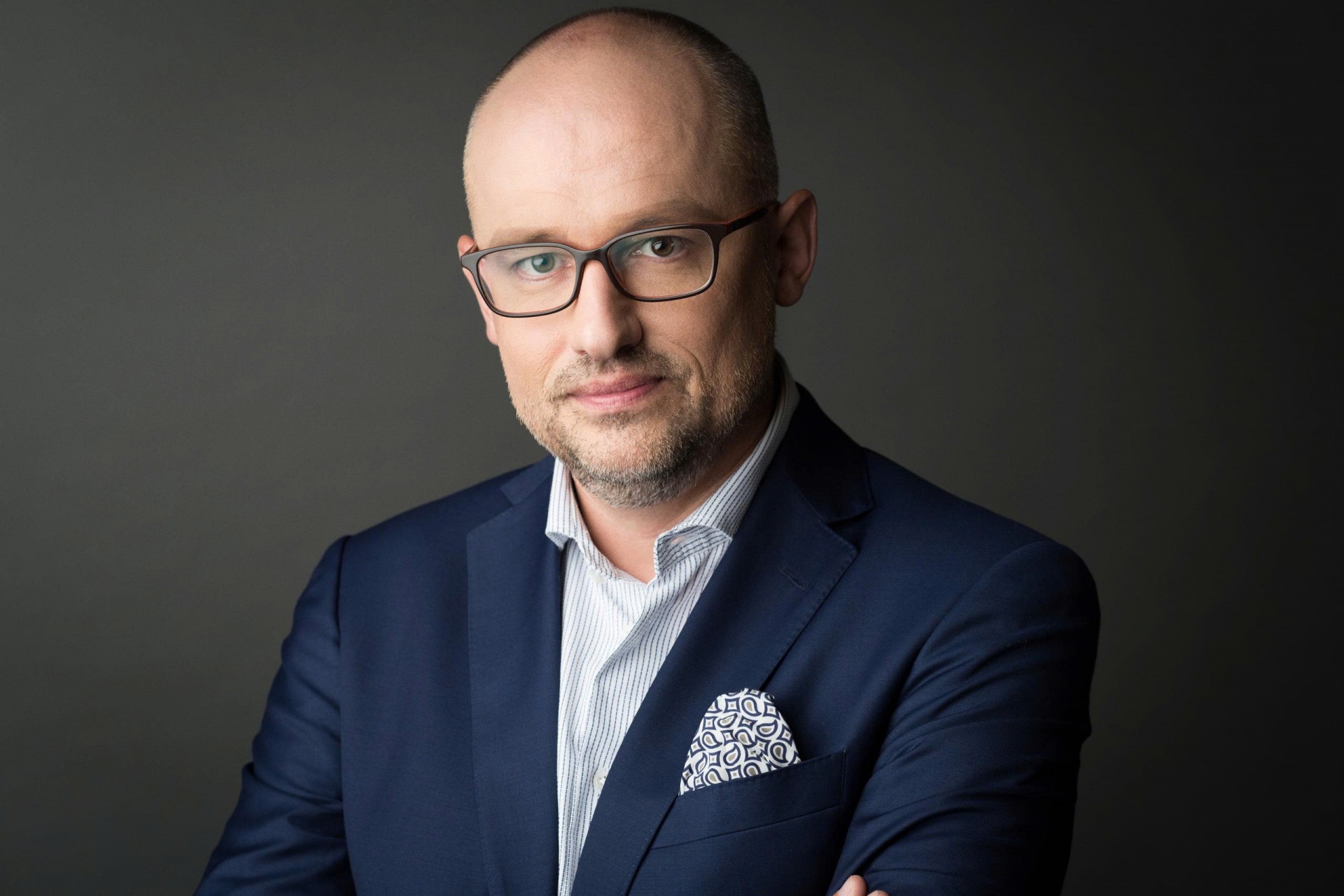 |
| Koen Soenens, director of business and marketing at DEEP C Industrial Zones |
How do you evaluate the investment and business environment in Haiphong? What factors make foreign enterprises interested in choosing Haiphong as an investment destination?
Haiphong has transformed at a pace few cities in Vietnam can match. Over a decade, it has delivered a sustained double-digit growth rate, all while expanding major infrastructure, from an extended expressway network to a sea bridge, deep-seaport capacity expansion, and multimodal logistics development.
This transformation is not only visible in statistics, it is tangible the moment you visit the city. Foreign investors who conduct thorough due diligence immediately feel this momentum and can anticipate that the pace of change will continue, if not accelerate, in the upcoming years.
Investors see a government aligned around economic development, a logistics system that scales ahead of demand, and an operating environment that supports manufacturing and export activities with high efficiency.
What truly distinguishes Haiphong is its connectivity, consistency, and, above all, execution. This is a city that doesn't wait, it delivers. And that level of confidence is exactly what attracts international investment.
In your assessment, how will the new FTZ create differentiation compared to the existing mechanisms that investors are currently enjoying within the economic zone?
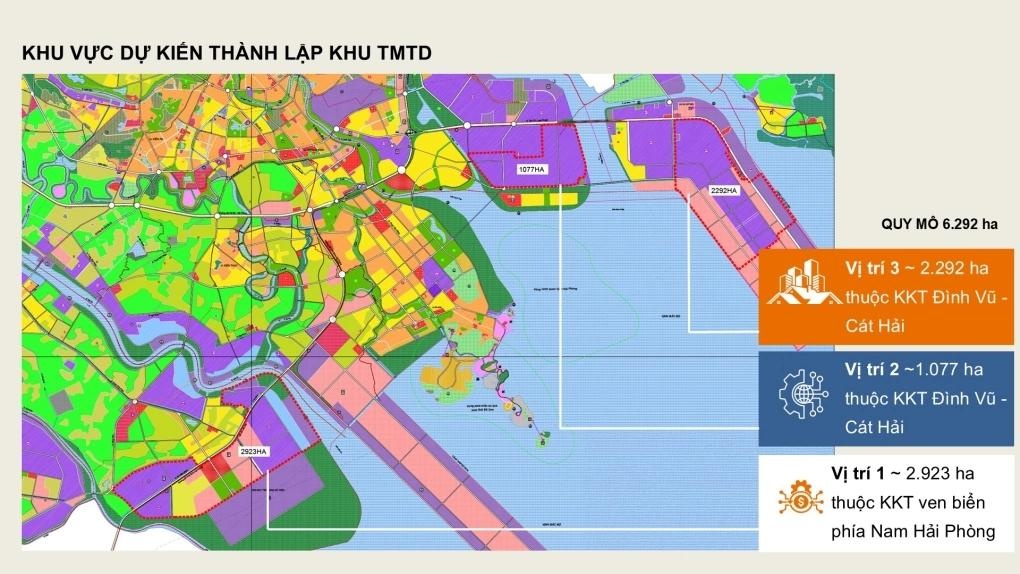 |
| The designated areas for Haiphong FTZ |
The FTZ introduces an operating model that is fundamentally different from the incentives currently available in the economic zone (EZ). While many can focus on the tax incentives, the FTZ goes beyond that, it removes barriers for international trade and allows businesses to kick off and operate with far more predictability and speed.
For customs purposes, companies inside the FTZ are treated as if they operate outside Vietnam, which unlocks an entirely new level of operational freedom.
This model enables significantly faster and simpler customs procedures, smoother flows for storage, processing, and transport, and greater financial flexibility through allowing foreign banks to open offices within the FTZ and transactions to be conducted in foreign currencies.
The FTZ reduces administrative friction and creates shorter, more predictable lead times, critical factors that global manufacturers and logistics providers value highly.
In parallel, Haiphong FTZ is enhancing its talent ecosystem through breakthrough visa and temporary residence card policies and competitive personal income tax breaks for scientists, specialists, and high-level professionals, making it easier for talents to work and live here.
Rather than simply adding more layers of incentives, the FTZ creates a talent and business environment aligned with the needs of high-tech industries that Vietnam and Haiphong are prioritising.
Over the next five years, how do you envision the industrial–port–logistics ecosystem of Haiphong transforming with the introduction of the FTZ model?
The FTZ will push Haiphong towards a fully integrated industrial-port-logistics ecosystem, where production, warehousing, customs, and port operations function in harmony.
Over the next five years, I expect rapid advancements in smart port management, digitalised information flows between factories and terminals, enhanced multimodal logistics connectivity, and greener, low-emission transportation.
With the integration of advanced technologies and robust sustainability measures, Haiphong is positioned not only to operate more efficiently but to grow responsibly. This is fully aligned with the city's long-term development strategy and its ambition to lead in green industrialisation.
Within the next decade, Haiphong will no longer measure itself against other Vietnamese ports but against leading industrial port cities in Asia. And the FTZ is the catalyst that enables the city to elevate its regional and global competitiveness.
What opportunities does the newly established FTZ create for DEEP C as one of the largest IZ developers in Haiphong?
With over 840 hectares of land within the Haiphong FTZ boundary, DEEP C is uniquely positioned to benefit from this new model, allowing us to attract a class of investors that depends on bonded logistics, export-oriented operations, and predictable customs environments.
The FTZ puts Haiphong, and therefore DEEP C, on the shortlist of locations considered by industries that previously looked into FTZs in Thailand, Malaysia, or even Singapore.
The new concept elevates Haiphong's visibility on the global investment map, and with it, DEEP C becomes a natural entry point for high-value industries seeking an efficient, well-connected, and future-ready operating base.
How does DEEP C perceive its role in realising the goal of attracting high-value, strategic industries to the FTZ?
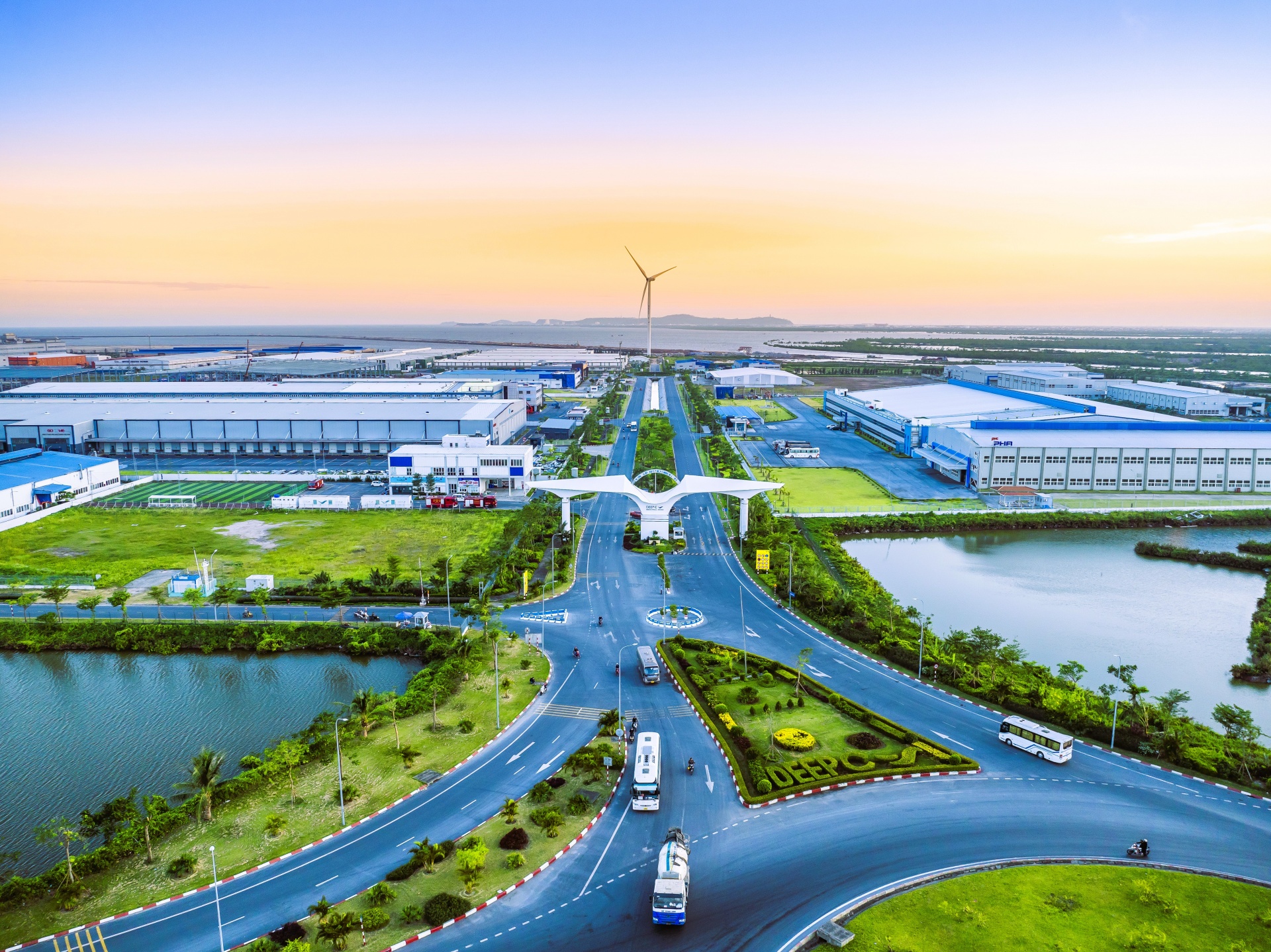 |
| The DEEP C Industrial Zones complex |
As an industrial park developer, DEEP C sees itself as the ecosystem enabler, the bridge between investors and infrastructure, customs, port authorities, and government agencies.
Our responsibility is to turn the FTZ framework into a practical, ready-to-operate platform that global investors can rely on.
From there, our development systems are centred on building ahead of demand, ensuring that essential infrastructure such as bonded logistics, inland depots, digital, and green energy are ready before investors arrive.
Preparedness is a competitive advantage, especially when we are targeting high-value industries such as semiconductors, automotive, advanced manufacturing, and high-tech components.
Investors in these sectors demand stable access to green energy and strong, on-the-ground investor support, where DEEP C's long-standing commitments to renewable energy integration, sustainable utilities, and hassle-free investor services play a decisive role.
Equally important is our close coordination with the municipal management and relevant agencies, such as the customs and port authorities. Ensuring clear guidelines, transparent procedures, and consistent communication form the predictability that global investors value when choosing a long-term base.
And finally, once the FTZ framework is fully defined, we will bring the message to key international markets in Europe, the United States, Japan, and across Asia.
The interest is already strong. With clarity and readiness, that interest will translate into long-term commitments.