




Heineken to shift production from Singapore to Vietnam and Malaysia
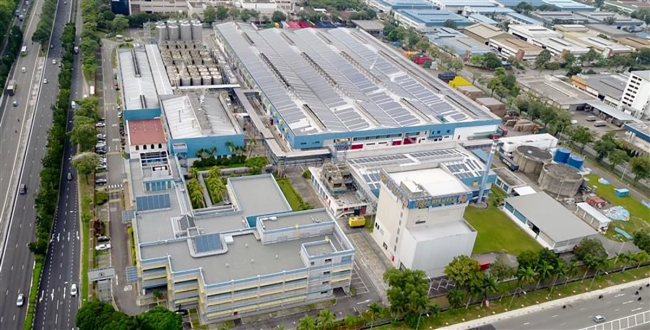
Dutch brewer Heineken will shift its brewing production from Singapore to Vietnam and Malaysia as part of its strategy to build a more agile regional supply approach.


 |
According to FTSE Russell, Vietnam has emerged as one of ASEAN’s fastest-growing economies and surpassed the Philippines – an economy already classified as emerging market – in both GDP per capita and equity market capitalisation – since 2020. Over past decades, Vietnam delivered high growth among major ASEAN countries, supported by structural reforms and strong foreign direct investment.
FDI has been a key driver of Vietnam’s transformation into an export-oriented economy. Electronics and machinery now dominate exports, replacing textiles as the top category since 2019, as global tech firms continue to expand operations in Vietnam.
This shift has strengthened Vietnam’s role in global value chains and helped sustain trade surpluses since 2018, reinforcing macro stability alongside relatively low fiscal deficits and government debt level.
Vietnam’s capital markets have grown rapidly in tandem with its economic expansion. The FTSE Frontier Vietnam Index market cap rose from $11 billion in 2015 to $59 billion in 2025, outperforming both frontier and emerging market benchmarks.
While the economy’s growth is manufacturing-led, the equity market is concentrated in domestic revenue-driven industries. Real estate and financials account for more than 60 per cent of market capitalisation, reflecting structural drivers such as urbanisation, industrial expansion, rising incomes, and credit growth.
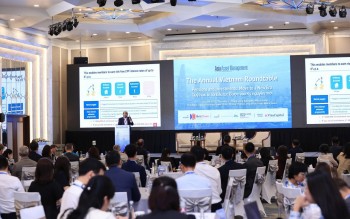
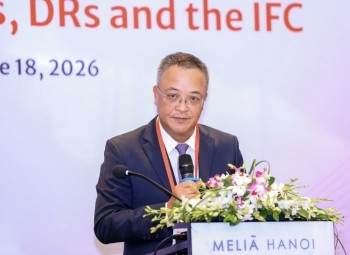
Belle Chang, senior manager of Global Investment Research at FTSE Russell, said, "FTSE Russell’s planned upgrade of Vietnam to Secondary emerging market status in 2026 is expected to engage further institutional inflows and improve liquidity, offering investors exposure to Vietnam’s long-term growth story, albeit indirectly through domestic-oriented industries."
Vietnam’s economic trajectory reflects a decisive step-change in its development path. With sustained reforms, strong FDI inflows, and deepening integration into global supply chains, the country has achieved the highest growth among major ASEAN economies over the decade ending 2024 while steadily improving macro fundamentals.
"Vietnam has now surpassed the Philippines – an economy already classified as emerging market – in both GDP per capita and equity market capitalisation," Chang said. "This catch-up signals that Vietnam has moved significantly closer to the economic profile of an emerging market economy, supported by reinforced macro stability and resilience – a trade surplus, a relatively healthy fiscal position, and increasing external resilience."
Moreover, Vietnam’s capital markets have expanded in parallel with its economic rise, with the FTSE Frontier Vietnam Index increasing more than fivefold over the past decade and consistently outperforming frontier and emerging market benchmarks.
The high weights of real estate and financials in the equity market reflect powerful domestic growth drivers – urbanisation, rising incomes and credit growth. This industry structure provides investors with indirect but meaningful exposure to Vietnam’s manufacturing‑driven growth story.
Looking ahead, Vietnam’s forthcoming upgrade to the FTSE Secondary emerging market status, continued FDI momentum, and strong earnings outlook could provide additional tailwinds for financial markets. Together, these trends strengthen Vietnam’s positioning as one of Asia’s most compelling structural growth stories.