



Heineken to shift production from Singapore to Vietnam and Malaysia
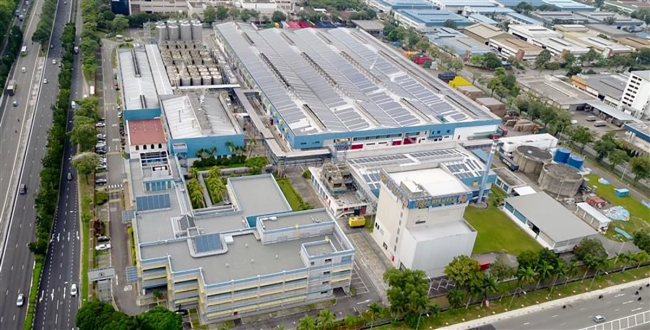
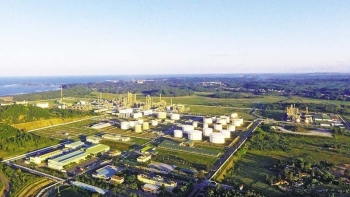
Dutch brewer Heineken will shift its brewing production from Singapore to Vietnam and Malaysia as part of its strategy to build a more agile regional supply approach.


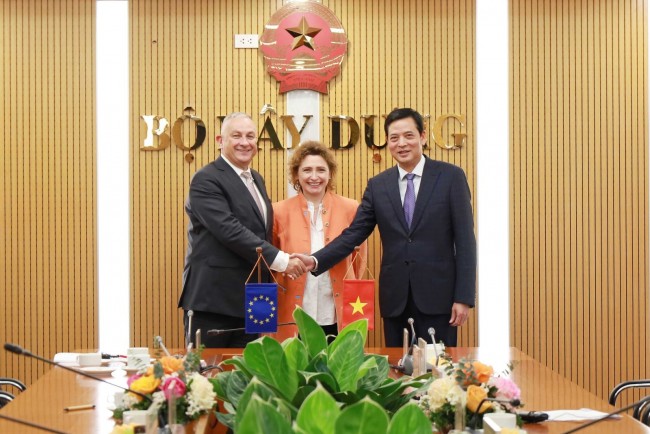
The Ministry (MoF) is drafting a decree amending and supplementing a number of provisions of Decree No.58/2018/ND-CP from 2018 on agricultural insurance, with a focus on adjusting premium subsidy levels and broadening eligible beneficiaries.
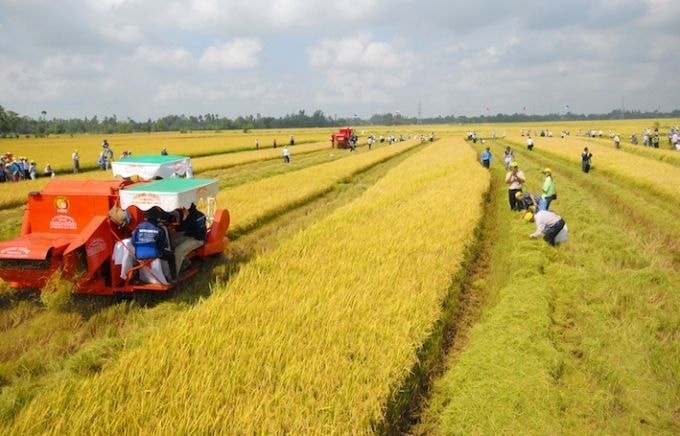 |
| The MoF proposes raising the maximum premium subsidy to 95 per cent for individual agricultural producers from poor households |
According to the MoF, although lessons were drawn from the 2011-2013 pilot phase, agricultural insurance remains a new and complex field. Not only are farmers still unfamiliar with it, but grassroots-level officials face significant challenges in organising and executing the programme.
Awareness among a segment of farmers regarding the role and benefits of agricultural insurance remains limited.
From the insurers’ perspective, agricultural insurance carries high risks due to heavy dependence on natural disasters, epidemics, and market volatility.
Effective implementation requires strong capital, professional teams, and extensive distribution networks. It also necessitates the participation of international reinsurers and close coordination with authorities.
These requirements have resulted in outcomes that have fallen short of expectations.
In practice, participants have mainly been individual agricultural producers from poor and near-poor households, while participation among non-poor households and agricultural production organisations remains limited. Compared with international practice, Vietnam’s current support remains modest.
In the United States, the average premium subsidy rate is around 69 per cent; in Canada, 66 per cent; in Spain, approximately 50 per cent; and in Japan, 50 per cent. Beyond premium subsidies, many countries apply additional support mechanisms, such as providing free basic catastrophic yield insurance contracts, subsidising insurers’ administrative costs, or having the government directly assume reinsurance responsibilities.
On that basis, the MoF has proposed increasing agricultural insurance premium subsidies and expanding eligible beneficiaries.
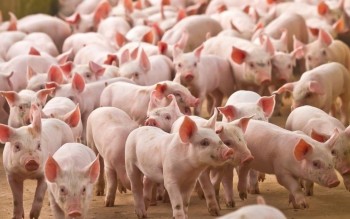
In addition to currently covered crops, livestock, and aquaculture species, the draft would allow provinces to add key local products
The draft also proposes raising the maximum premium subsidy to 95 per cent for individual agricultural producers from poor households, up from the current 90 per cent. For individuals not classified as poor or near-poor, the subsidy would increase to 50 per cent, instead of 20 per cent at present. For agricultural production organisations, the proposed subsidy level is 30 per cent, 10 percentage points higher than the current rate.
In addition, the draft introduces provisions allowing credit institutions to provide loans, enabling agricultural organisations and individuals to pay the remaining portion of insurance premiums not covered by the state budget.
Insurance contracts may be considered part of the collateral for such loans, where applicable. This mechanism carries both social welfare significance and practical value, enabling producers to access insurance without facing cash flow constraints.
The proposed adjustments to subsidy levels and improvements in implementation mechanisms are expected to provide new momentum for agricultural insurance development, helping to share risks with producers, stabilise incomes, and enhance the agricultural sector’s resilience against climate change and disease outbreaks.