

Heineken to shift production from Singapore to Vietnam and Malaysia
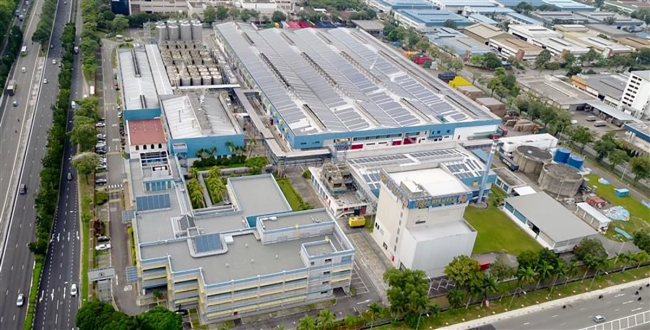
Dutch brewer Heineken will shift its brewing production from Singapore to Vietnam and Malaysia as part of its strategy to build a more agile regional supply approach.


 |
| Rajpal Singh, Ambassador of Singapore to Vietnam |
Our two countries have been steadfast partners in areas such as manufacturing, industrial development, retail and trade. With the upgrade of bilateral relations to a comprehensive strategic partnership during Party General Secretary To Lam’s visit to Singapore in March 2025, Singapore and Vietnam are now charting a path towards economic cooperation in new and emerging areas such as green energy, digital cooperation, and human capital development.
Singapore’s commitment to Vietnam’s economic journey has remained strong throughout the years. The historic rapport we share was reflected in the close relationship between Singapore’s founding Prime Minister Lee Kuan Yew and Vietnam’s former Prime Minister Vo Van Kiet. In the 1990s, Prime Minister Kiet’s invitation to PM Lee Kuan Yew to share his perspectives on economic modernisation laid the bedrock of the strategic trust enjoyed by our two nations today.
Over the years, the economic relationship has flourished and grown from strength to strength. Singapore was the top source of foreign investments into Vietnam in 2025, with total investment of more than $9 billion. Vietnam is Singapore’s 10th largest trading partner globally, and fourth-largest among ASEAN countries.
Singapore companies have been very positive on Vietnam’s economic potential. A number of them have laid down deep roots in Vietnam. Singapore companies like Sembcorp, CapitaLand, SEA Group, Grab, Keppel, and UOB reflect the diverse sectors that Singapore investment has reached in Vietnam. Many of them have become household names.
The Vietnam-Singapore Industrial Parks (VSIPs) are probably the most visible symbol of our economic integration. Today, there are 22 VSIPs across 15 provinces and major cities in Vietnam. The VSIPs have provided immense benefits to both sides. They have attracted more than $24 billion worth of investment from around 1,000 tenant companies, and close to 340,000 Vietnamese residents work and live in the VSIPs and their integrated townships.
The industrial parks have attracted companies from Singapore, Vietnam, and around the world. They have been able to grow because of the strong support of the Vietnamese government and their brand name as a reputable and trustworthy development that is able to deliver for its clients.
The recently concluded 14th National Party Congress has set a transformative course for the nation, formally adopting the goal of achieving at least 10 per cent annual GDP growth for the 2026-2030 period. The ambitious target is the cornerstone of Vietnam’s drive to become a high-income developed nation by 2045.
As a small island nation that achieved its own development through rapid industrialisation, Singapore appreciates the ambition and drive in such a target. Singapore is committed to growing our economic engagement in Vietnam to support this visionary plan.
As charted out in our comprehensive strategic partnership, Singapore and Vietnam are elevating our relationship in forward-looking areas and to synchronise our efforts in critical areas identified by Vietnam. On the energy front, Singapore and Vietnam are accelerating the development of the ASEAN Power Grid through the potential import of renewable energy from southern Vietnam. Both sides are also operationalising the Implementation Agreement on carbon credit collaboration signed in September 2025.
On the digital economy, we are encouraged by Vietnam’s drive for technology and digitalisation as accelerators to reach its growth targets. Private sector cooperation has remained strong, with Singapore companies as market leaders in Vietnam’s digital and e-commerce space. Vietnamese companies like FPT and Viettel are also expanding their footprint in Singapore. The Singapore-Vietnam Green-Digital Economic Partnership will boost our efforts in these two critical areas.
As we expand our economic engagement, we will update our traditional areas of cooperation. The VSIP celebrates its 30th anniversary this year and will upgrade to a VSIP 2.0 model. By helping tenants lower their carbon footprint and adopt technology in their manufacturing process, the model will help to feed into Vietnam’s goals of moving up the value chain sustainably.
Singapore’s key resource has been its human talent, and we recognise Vietnam’s need to upskill its workforce to service its growth ambitions. We have been historical partners in this. Vietnam is the largest recipient of support under the Singapore Cooperation Programme with over 22,000 Vietnamese government officials having participated. Vietnamese students have benefitted from a Singapore education through offerings such as the ASEAN and Singapore Scholarships.
Moving forward, we will offer courses focused on Vietnam’s evolving needs, such as in the areas of green and digital development. We will also offer programmes in specific provinces outside of Hanoi, such as the Smart City course in Haiphong city last December.
The evolution of the Singapore-Vietnam relationship is a testament to the power of a shared vision. We will continue to partner Vietnam on its roadmap for growth and development.
| Against the backdrop of geopolitical developments and global supply chain disruption, Vietnam continues to stand out as an ideal location for manufacturers due to its fast-growing economy, abundant and competitive-cost workforce, extensive free trade agreements and strategic location. Building on this trend, the Vietnam government planned to increase the share of manufacturing to 30 per cent of the national economy by 2030, focusing on attracting more foreign direct investments, especially into higher value-added manufacturing in Vietnam. Recent notable investments by global manufacturers are shaping up Vietnam’s high-value industries: Apple has moved 11 factories of Taiwanese enterprises in its supply chain to Vietnam. Other firms such as Foxconn, Luxshare, Pegatron, and Wistron are expanding their production facilities in Vietnam. Samsung built its largest research and development centre in Southeast Asia in Hanoi and plans to expand its existing factories in Vietnam. In light of these developments in its manufacturing sector, Vietnam presents opportunities for Singapore manufacturers to diversify your international supply chain and/or support your current operations; Singapore companies to look for original equipment manufacturer partners; and Singapore companies to provide advanced manufacturing solutions and technologies to support Vietnam’s manufacturers in moving up its value chain. Source: Singapore Enterprise |