



Heineken to shift production from Singapore to Vietnam and Malaysia
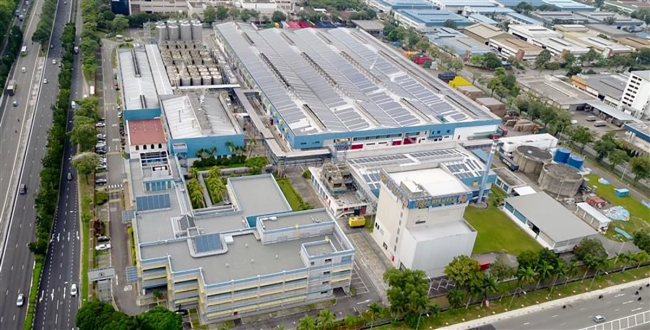
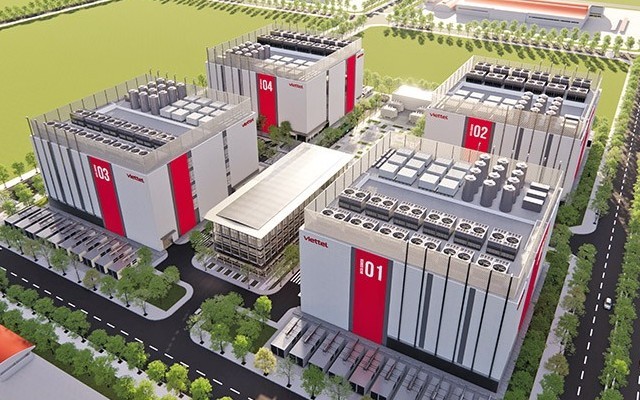
Dutch brewer Heineken will shift its brewing production from Singapore to Vietnam and Malaysia as part of its strategy to build a more agile regional supply approach.

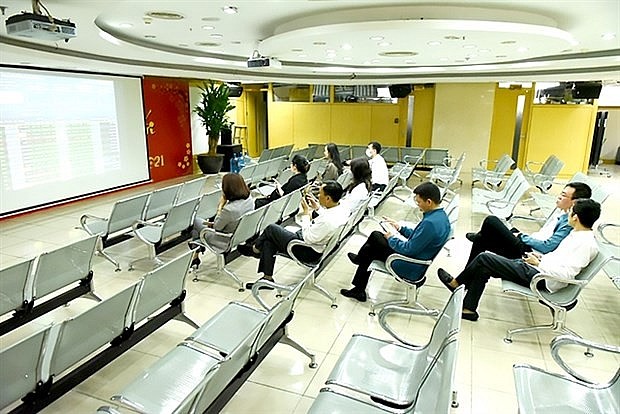 |
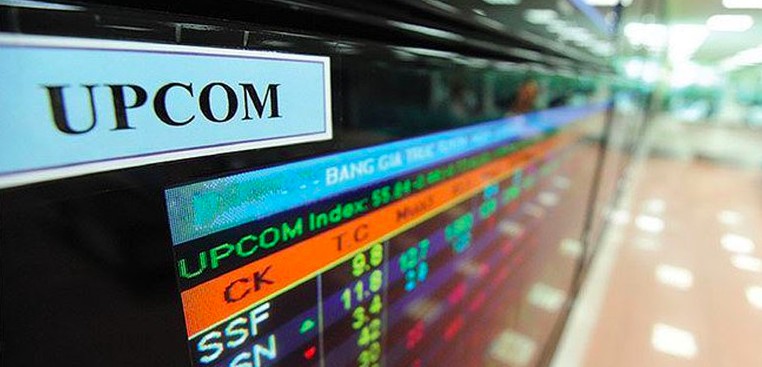
| According to statistics from the Vietnam Securities Depository (VSD), since the beginning of this year, 18 companies have cancelled their share listing on HOSE and HNX to switch to the Unlisted Public Company Market (UPCoM). |
An investor, Nguyen Ngoc Hung, told Vietnam News Agency that businesses who have shares delisted from the market must be strictly dealt with, but investors who bought shares of that business would be affected and there should be a mechanism to protect them.
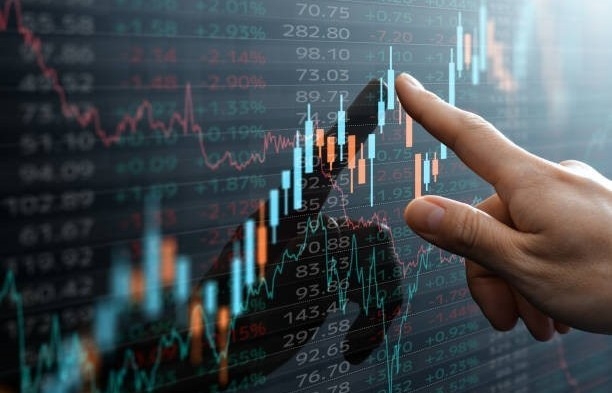
According to statistics from the Vietnam Securities Depository (VSD), since the beginning of this year, 18 companies have cancelled their share listings on HOSE and HNX to switch to the Unlisted Public Company Market (UPCoM). Notably, there are more than 70 enterprises having their status as public companies cancelled and leaving the stock market.
Huynh Anh Tuan, General Director of Dong A Bank Securities Joint Stock Company, said that many of the delisting cases were related to information disclosure, business results seeing losses for three consecutive years, or accumulated total losses exceeding the amount of charter capital.
When a stock is in danger of being delisted, the stock price plummets and will reflect most of the intrinsic value of the business. When transferring the listing to UPCOM, shareholders will not have much access to information about the business. The UPCOM has low disclosure and financial reporting requirements. Most new businesses will have to publish financial statements after an entire year. However, there are still many businesses seeing their shares increase after switching to UPCOM.
“Investors must define the purpose to invest in stocks, if it is not clear, it is best to cut losses on delisted shares. If the problems that cause businesses to delist and change the exchange are not so serious, not leading to bankruptcy, there is still hope for investors to wait,” Tuan said.
Lawyer Nguyen Thanh Ha, Chairman of the Board of Directors of SBLAW Law Firm, said that according to current regulations, shares are delisted, but still meet the condition of a public company, and must register for transactions on the UPCOM system.
Enterprises whose shares are subject to mandatory delisting may only register to list again after trading for at least two years on UPCOM and fulfilling the obligations of the listing organisation.
After a stock is delisted, two cases occur. With shares that will be transferred to other exchanges after being delisted, if they move to a larger exchange, the number of shares held by investors will be converted to the new exchange and traded normally.
If they are transferred to a smaller market, these stocks can still be registered for trading to maintain liquidity. However, if an enterprise's business deteriorates and there is a risk of bankruptcy, the result will be a serious decline in liquidity.
As for unlisted shares that are not transferred to other floors, it is very difficult for investors to transfer their shares. At that time, there are two ways to protect investors' interests. That is, the company issuing the shares must spend money to buy back these shares or the State Securities Commission will request that the shares be transferred to an unofficial or secondary exchange so that investors can continue selling them.
“Shares being delisted does not mean they are no longer valuable. Investors should also find out if the business activities of the enterprise are able to recover,” said lawyer Nguyen Thanh Ha.
Deputy General Director of Kien Thiet Securities Company Do Bao Ngoc said the stock market always had a process of screening businesses over time. Only companies with good performance and compliance with securities laws are eligible for long-term listing.
For companies that do not comply with the law, removing them from the listing would also help reduce risks for new investors, he said.
According to this expert, when a business is delisted, it will negatively affect both businesses and investors. Specifically, businesses are adversely affected by their reputation and brand image in the eyes of partners and investors. The value of shares and the company's capitalisation will decrease sharply when the information is released to the market, he said./.