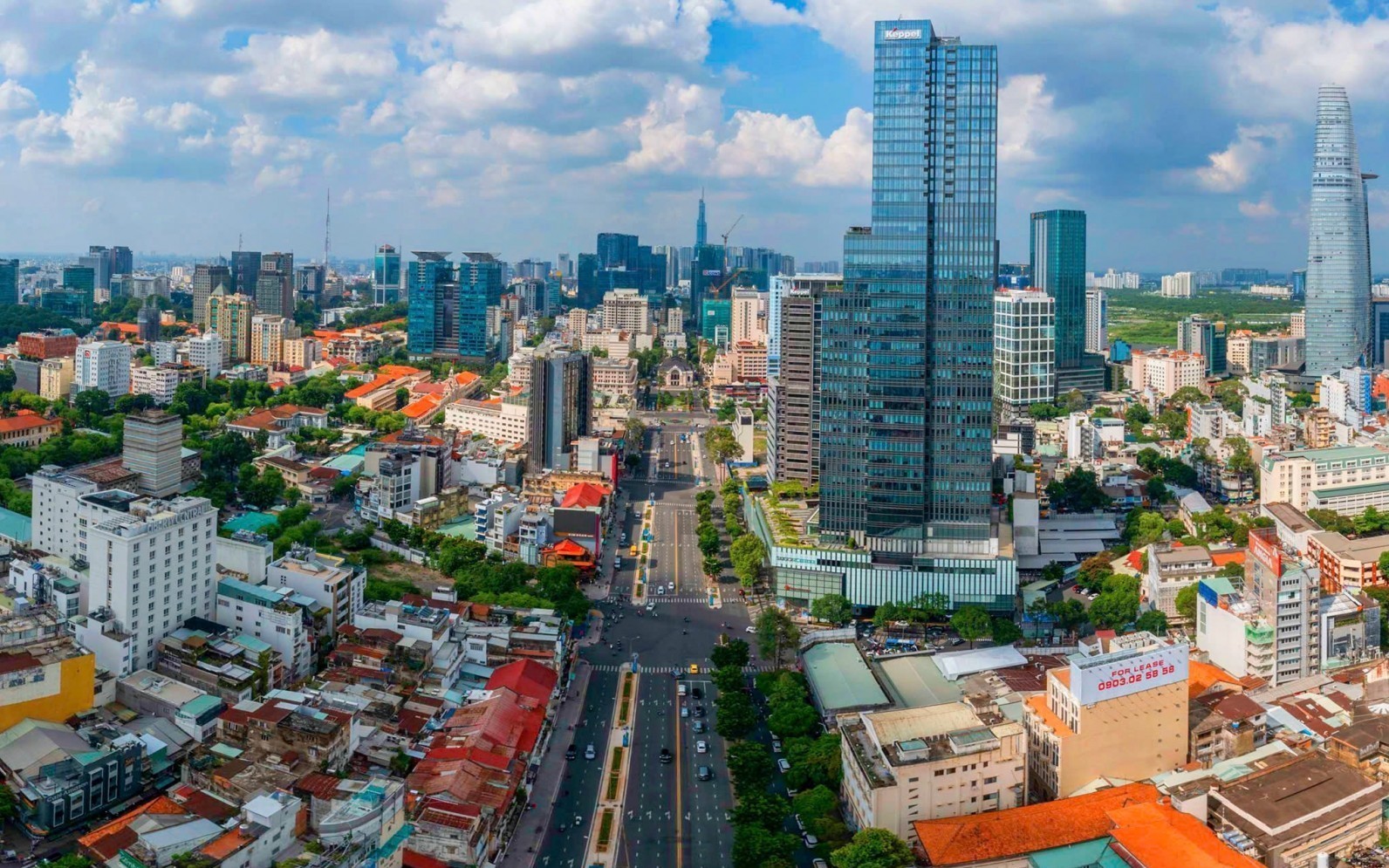
The city’s efforts to broaden its tourism offering will be reflected in a series of cultural, artistic, and exhibition activities organised from November 18-25 to mark Vietnam Cultural Day 2026. The programme includes the International Photography Festival, themed “Ho Chi Minh City - Creative Culture, Shaping the Future”, from November 19-24, and the launch of the 2026 Hozo International Music Festival along the Saigon River on November 23. Other activities include the Con Dao Book Festival, exhibitions on the city’s cultural and creative industries, and a 3D mapping presentation in front of the Ho Chi Minh City People’s Committee headquarters.
Maximising the value of business events
For the hospitality sector, business events represent a source of demand that extends beyond hotel accommodation and meeting facilities. Julian Wong, general manager of Sheraton Saigon Grand Opera Hotel, said corporate events brought business not only to hotels but also to restaurants, transport operators, local suppliers, artisans, and creative partners.
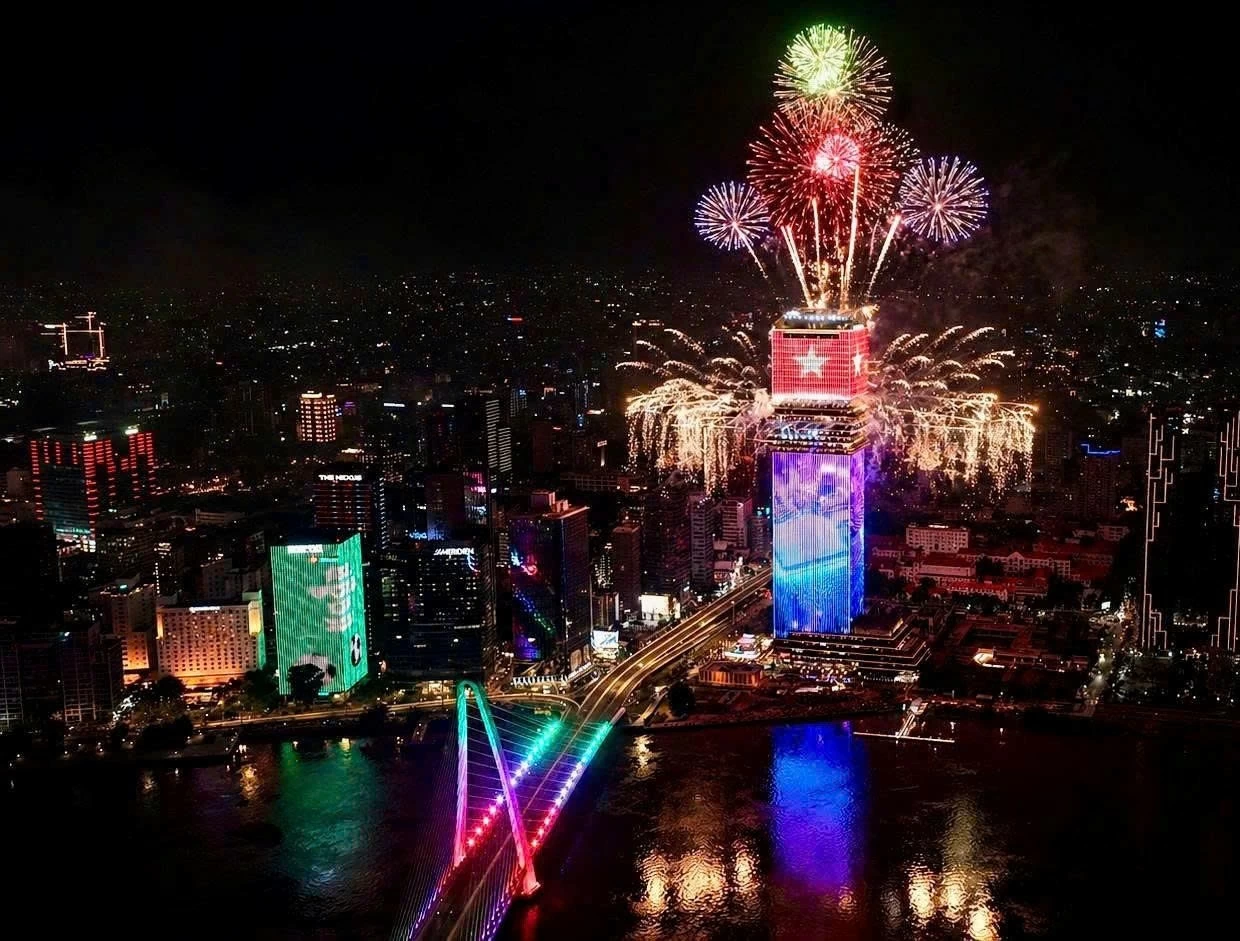 |
| Under the slogan 'Ho Chi Minh City: Vibrant in Every Experience', Ho Chi Minh City People’s Committee has launched the city’s year-end and Lunar New Year 2027 stimulus programme to lift commerce, services, tourism, and consumption. Photo: Le Toan |
“Events also bring life to our hotel on weekdays and in quieter seasons, which is when it matters most,” Wong said.
He also sees opportunities to draw on the different strengths of the expanded city, combining its business and heritage centre with industrial and coastal destinations for corporate and incentive programmes.
“Since the merger, the city brings together three wonderful experiences in one destination. Downtown offers a vibrant business and heritage core. The former Binh Duong is an industrial and exhibition hub. Vung Tau, Ho Tram and Con Dao bring a beautiful coastline that is perfect for incentive programmes,” Wong said.
For hotels, the value of business events also lies in the range of services that can be sold to group visitors. Bui Thi Thu Huyen, director of sales and marketing at Renaissance Riverside Hotel Saigon, said business event visitors generated spending across accommodation, meeting facilities, food and beverage, transport, entertainment, and local experiences. Hotels could capture additional revenue through meeting packages, group dining, private functions, and ancillary services.
However, higher spending does not automatically translate into higher profitability. Huyen said hotels needed to assess the operating costs and resources required to serve each group, as well as the opportunity cost of allocating facilities to particular events.
“To compete more effectively with established destinations such as Singapore and Bangkok, the city should focus on delivering a seamless, integrated business events experience rather than competing on cost alone,” she said.
The Ho Chi Minh City Department of Tourism reported that the city had welcomed several large visitor groups by the end of October, including nearly 900 visitors from Indonesia in early May.
The city is also seeking to strengthen its position as a regional tourism trade hub. The 2026 Ho Chi Minh City International Travel Expo (ITE HCMC) generated more than 21,000 B2B meetings between international buyers and exhibitors, bringing together more than 520 exhibitors and tourism brands.
Competing for international business events
Beyond the hotel offer, Ho Chi Minh City’s ability to attract larger international events will depend on how effectively it addresses the practical requirements of organisers.
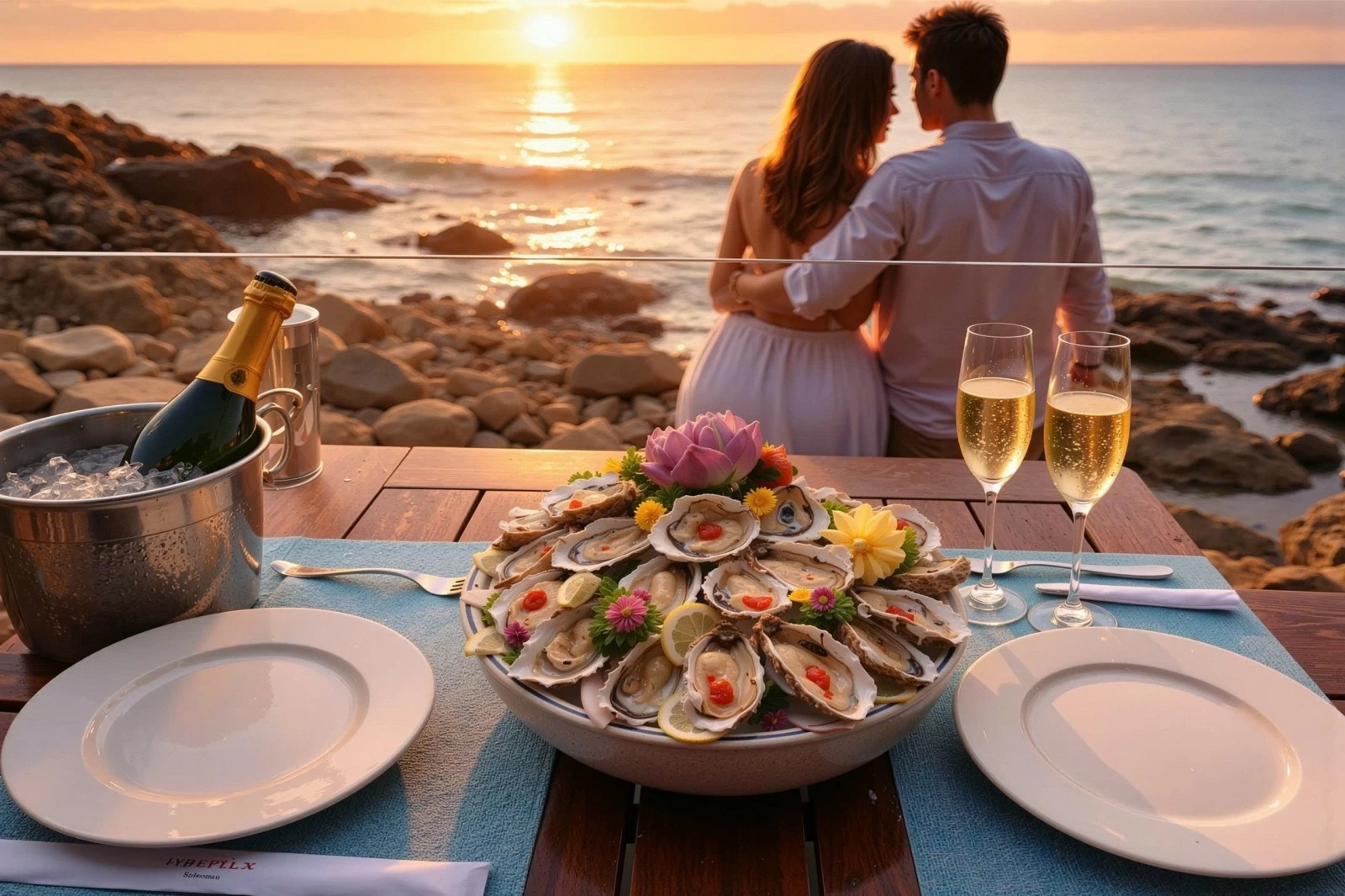 |
| Culinary and event tourism is becoming a key driver of tourism growth in Ho Chi Minh City. Photo: Mercure Vung Tau Hotel |
Khanh Tran of Hilton Saigon said the city’s economic dynamism, culinary scene, and growing portfolio of luxury hotels and event venues provided a foundation for attracting international organisers. He called for the city to build on these advantages by presenting a more integrated destination proposition.
“Ho Chi Minh City should position itself not only as a business hub, but as a destination that combines business, culture, gastronomy, and authentic local experiences in one journey,” Tran said.
He also pointed to the need to streamline event approval procedures, provide support for bids to host international conventions, and improve transport connections between the airport, city centre, and major attractions. Better coordination on pre-arrival services and visas would further facilitate visits by international delegates.
Nikolay Stoyanov, task force cluster general manager of ibis Styles Vung Tau and Mercure Vung Tau, said Ho Chi Minh City faced competition from established destinations such as Singapore and Bangkok.
“Singapore and Bangkok are well-established MICE destinations. To compete, Ho Chi Minh City needs to continue developing a complete MICE offering, including international connectivity, convenient transportation, quality hotels and conference facilities, and stronger destination marketing,” he said.
He added that Vietnam could stand out through its cultural identity, hospitality, and leisure experiences. The wider southern region, including Vung Tau, could also give corporate groups the option of combining meetings and incentive programmes with coastal activities and longer stays.
Policy support is another factor in the city’s efforts to attract international groups. Resolution 62/2025/NQ-HDND, effective from December 20, 2025 to December 31, 2030, provides support for groups combining business events with longer stays and local tourism activities. Wong welcomed the resolution, describing it as Vietnam’s first support policy of its kind for the events industry. He called for a simplified online application process, support for larger groups and international congresses, and a city convention bureau to coordinate stakeholders.
The scale of the wider tourism market provides context for the city’s ambitions. In the first 10 months of 2026, Ho Chi Minh City welcomed more than 9.3 million international visitors and over 44 million domestic tourists, generating tourism revenue of more than $12 billion, according to the Ho Chi Minh City Department of Tourism.
Pham Huy Binh, director of the municipal Department of Tourism, said the department was working with airlines, travel companies, and international partners to increase flight frequencies, promote tourism products, and attract larger visitor groups. It was also coordinating with aviation, seaport, border control, and customs authorities to facilitate arrivals, particularly for cruise passengers.
China, South Korea, Japan, India, and Australia have been identified as priority international markets because of their air connectivity and visitor spending potential. Binh said the department was encouraging businesses to develop packages combining conferences, accommodation, sightseeing, artistic performances, and shopping.
“Businesses are being encouraged to work together to develop packages combining conferences, accommodation, sightseeing, artistic performances, and shopping, gradually turning the demand generated by event participants into revenue for other service sectors,” Binh said.
| Ho Chi Minh City is targeting 11 million international arrivals, 50 million domestic visitors, and tourism revenue of VND330 trillion (approximately $12.9 billion) in 2026. |