


Heineken to shift production from Singapore to Vietnam and Malaysia
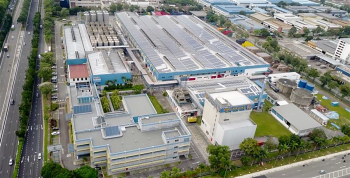
Dutch brewer Heineken will shift its brewing production from Singapore to Vietnam and Malaysia as part of its strategy to build a more agile regional supply approach.


On March 16, Hoang Anh Gia Lai Group (HAGL), in collaboration with Orient Commercial Bank (OCB) and OCB Securities JSC, organised a workshop on the strategic development of 20,000ha of sustainable coffee. The initiative marks a significant expansion of the company's agricultural footprint across Mainland Southeast Asia.
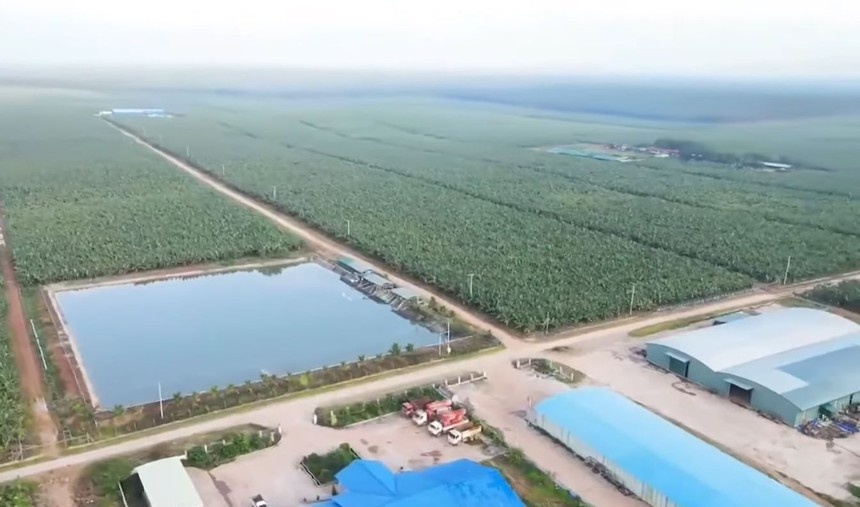 |
Arabica coffee is slated for cultivation in Gia Lai province in Vietnam, as well as in Champasak and Savannakhet provinces in Laos. Meanwhile, Robusta cultivation is concentrated in Stung Treng province in Cambodia, along with Attapeu and Savannakhet provinces in Laos.
Implementation was underway, with 3,000ha planted as of 2025. HAGL plans to accelerate progress by adding 7,000ha in 2026, followed by 5,000ha in both 2027 and 2028 to reach its cumulative target.
By 2030, the group intended to expand total agricultural land holdings to 30,000ha to become a leading regional supplier.
“The company chose coffee as a strategic crop with a development area of up to 20,000ha because coffee provides harvests for 15 to 20 years, bringing long-term revenue for the group. It is a highly liquid global commodity, has trading floors, and is easily exported to major markets such as the EU, the US, Japan, and China. Furthermore, China is currently one of the fastest-growing coffee markets globally, and the seventh-largest consumer in the world,” said Nguyen Xuan Thang, general director of HAGL.
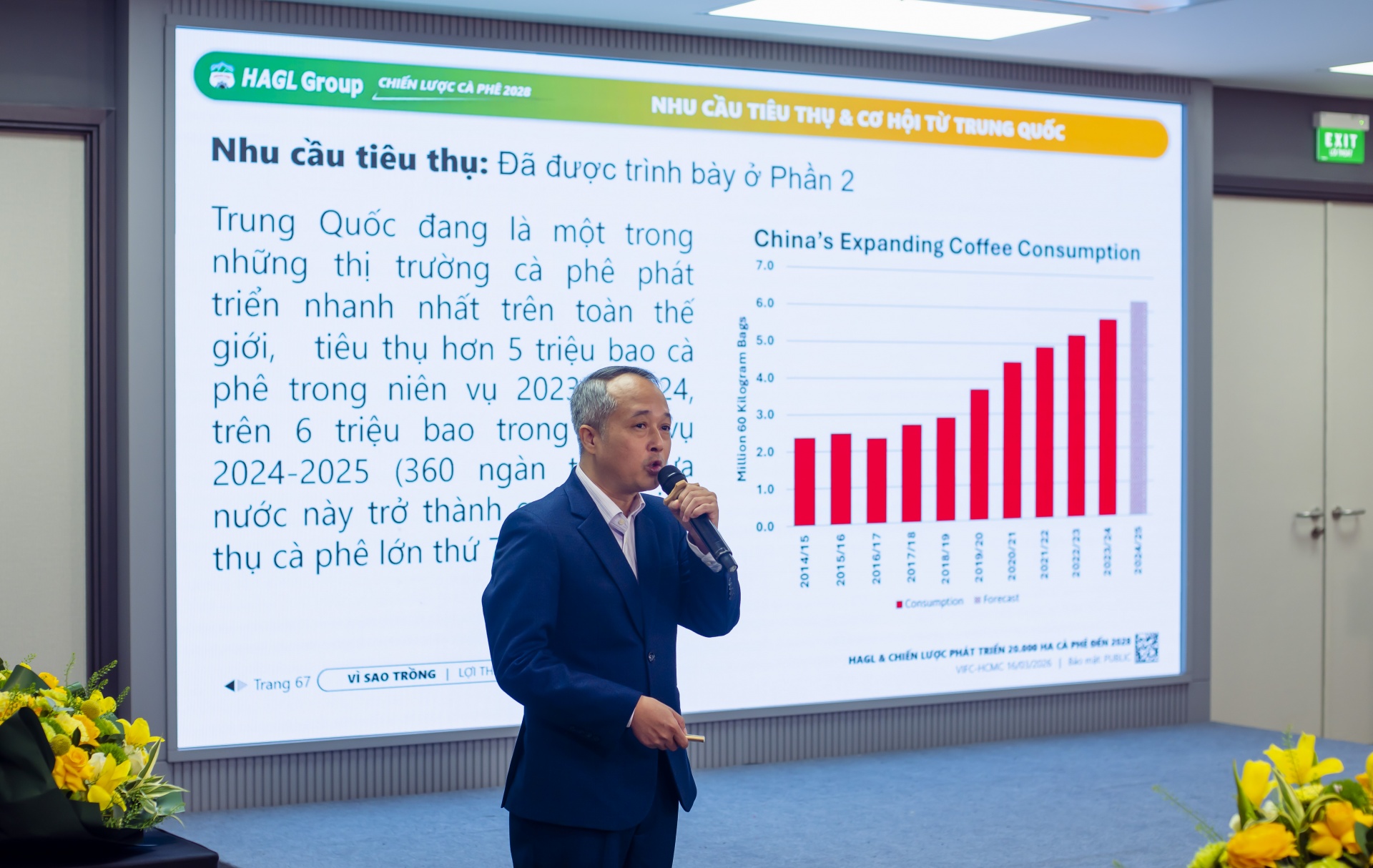 |
| CEO Nguyen Xuan Thang |
A central pillar of the strategy is the prioritisation of Arabica coffee, which will account for 75 per cent of the 20,000ha area. Thang justified this focus by citing projections of a 50 per cent decline in global Arabica supply by 2050 due to climate change in South America, a shift that creates a strategic gap for regional producers.
“To address this, the Paksong region in Laos was identified as an ideal cultivation hub, offering soil and climate conditions superior to many traditional areas, and a lower risk of frost compared to other Arabica-growing regions,” he said.
To fund this capital-intensive expansion, the group outlined a total requirement of approximately $568.8 million over the 2026 to 2028 period, following a multichannel financial structure designed to maintain a debt-to-equity ratio below 50 per cent. For the 2026 fiscal year, HAGL expects to raise $220 million through a three-pronged approach: $60 million from the initial public offering and listing of subsidiary HGI; $80 million via the issuance of corporate bonds; and a further $80 million sourced from internal profits, specifically by reinvesting half of its 2026 earnings.
HGI, formerly known as Hung Thang Loi Gia Lai Company, has been positioned as the unit responsible for developing coffee raw material regions and the processing value chain for HAGL. According to the group's financial projections, once fully operational, the coffee project could generate total annual revenue of approximately $713.13 million. The revenue structure has been designed with multiple layers to mitigate risks associated with global price cycles.
Unprocessed green coffee beans are expected to remain the primary revenue pillar, contributing 64.1 per cent of total turnover, or roughly $457.5 million. Meanwhile, roasted and ground coffee is projected to account for 17.2 per cent, with deep-processed products including instant coffee and cascara contributing 18.7 per cent.
The group is shifting away from a traditional model focused on raw exports towards a comprehensive value chain. This integrated approach encompasses cultivation, primary processing, industrial roasting, and deep refining, alongside a recycling component to minimise waste.
By controlling the entire process from nursery to finished product, the group aims to ensure quality consistency, and full traceability. Large-scale infrastructure investments are planned for 2026, including development of instant coffee processing facilities, and four wet-processing plants capable of handling 2,000ha of production each.
The group is also establishing a 75ha industrial cluster in Gia Lai near the new BU Quy Nhon expressway, which is expected to be completed by 2029, to streamline logistics for agricultural products arriving from Laos and Cambodia for export. The move into large-scale coffee production comes at a time of rising consumption in regional markets. Market data presented by the group showed that China’s coffee consumption exceeded five million bags in the 2023-2024 season, and is forecast to reach over six million bags in 2024-2025.
This rapid growth has positioned China as the world's seventh-largest coffee consumer, offering a significant opportunity for regional suppliers.