


Heineken to shift production from Singapore to Vietnam and Malaysia
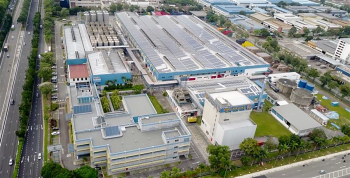
Dutch brewer Heineken will shift its brewing production from Singapore to Vietnam and Malaysia as part of its strategy to build a more agile regional supply approach.

 |
| Vietnam automobile market slides to fìfth in Southeast Asia |
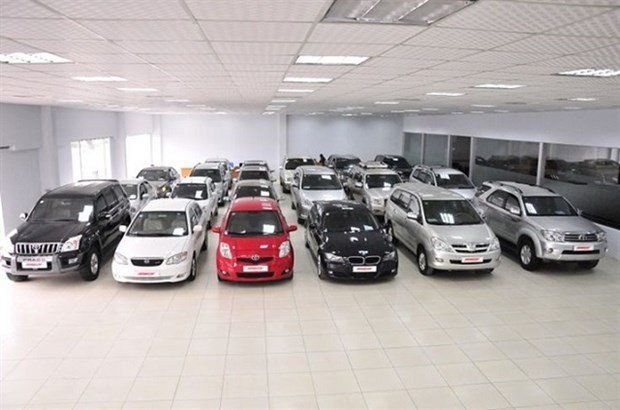
According to the Association of Southeast Asian Automobile Manufacturers (AAF), in the first six months this year, Indonesia took the lead in car sales with 505,000 units, an increase of 6.3% over the same period last year. Thailand was in second place with 406,000 units, a slight decrease of 5% while Malaysia came in third with 366,000 units, an increase of 10.3%. Notably, the Philippines rose from fifth position to fourth with 202,415 cars sold, a sharp increase of 30.7%. Meanwhile, Việt Nam dropped to fifth place with 137,327 units, a sharp decrease of 32% compared to the same period last year.
According to industry insiders, external factors such as the Russia-Ukraine conflict and global inflation have had an impact on Vietnam’s automobile consumption, along with other adverse developments. These factors affected consumer confidence and purchasing power, leading to a decrease in car sales.
Domestic auto sales in August plunged nearly 27% year-on-year to 22,540 units as consumers continued to tighten their spending amid economic difficulties. Sales in August were lower than in June and July.
Internally, Vietnam faces challenges in its economy and market conditions that have contributed to the decline in automobile consumption. Compared to some Southeast Asian countries, Vietnam’s economy is still developing, and the living standards and purchasing power of its people may not be as high.
Pham Cuong, Chairman of the Vietnam Auto Motorcycle and Bicycle Association (Vamoba), said Vietnam’s car prices are relatively high compared to other countries in the region, with a price policy that is considered unstable. This price disparity, along with limited choices in car models, can affect consumer preferences and their ability to purchase cars.
Dao Cong Quyet of the Vietnam Automobile Manufacturers Association (VAMA), has pointed out that Vietnam was affected by the COVID-19 pandemic later than other Southeast Asian countries, which resulted in a delay in its recovery. As a result, it may take more time for Vietnam to show signs of improvement in general consumption of goods, including automobiles.
Other factors contributing to the decline in car consumption in Vietnam include high bank interest rates and liquidity issues in the real estate market. These factors can affect consumer financial capabilities and their willingness to invest in high-value goods like cars, Quyet added.
Car expert Nguyen Minh Dong said car prices in Southeast Asia countries are 30-40% cheaper than in Vietnam. While, Vietnam’s price policy is not stable. Car markets in these countries also have more car models, therefore, consumers have more choices. Đồng said it is necessary to exempt and reduce special consumption taxes and some types of fees and charges for cars so as to create incentives for more people to buy cars.
Tran Thanh Tung, head of the Business Administration at Ho Chí Minh City University of Economics and Finance, said it is worth noting that the decline in car sales in Vietnam is not necessarily viewed as a bad signal. Some experts see it as a reflection of cautious spending in the context of slowing economic growth and high loan costs. In addition, it can help alleviate pressure on the country's road infrastructure, which is already burdened by a high number of personal vehicles.
To address the decline in automobile consumption, experts have suggested measures such as exempting or reducing special consumption taxes and fees for cars, providing more car model options, and studying car loan policies from other countries in the region. These measures aim to create better conditions for consumers and stimulate the market./.