




Heineken to shift production from Singapore to Vietnam and Malaysia
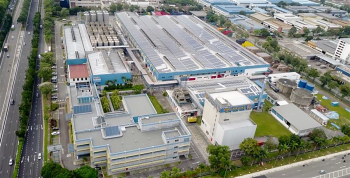
Dutch brewer Heineken will shift its brewing production from Singapore to Vietnam and Malaysia as part of its strategy to build a more agile regional supply approach.


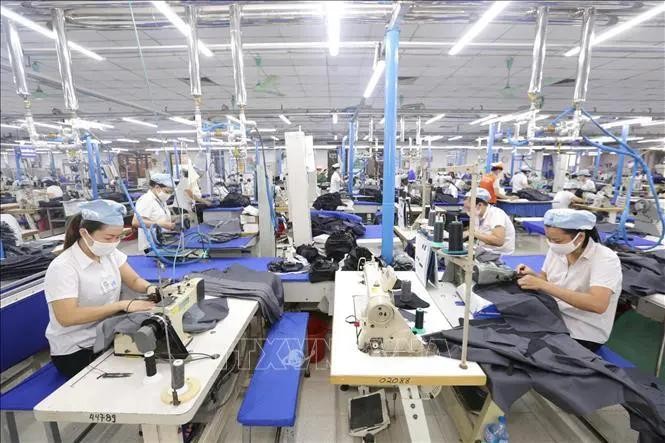 |
| Illustrative photo (Photo: VNA) |
Meanwhile, garment-textile import turnover is estimated at 25 billion USD, up 14.79%, resulting in a trade surplus of 19 billion USD, up 6.93% compared to the previous year.
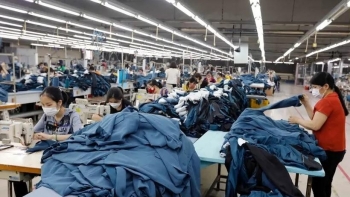
VITAS President Vu Duc Giang noted that many companies in the sector are experiencing growth in orders for both 2024 and 2025. Despite ongoing global complexities, fluctuating shipping costs, slow trade recovery, and reduced global investment, Vietnam's garment-textile industry has managed to maintain strong growth.
For 2025, the entire industry aims for an export turnover of around 48 billion USD, said Giang said, emphasising that this figure is based on thorough calculation and research on order trends, predicting an abundant order volume for the sector compared to 2024.
However, he warned that despite optimistic forecasts, the industry will encounter significant challenges in 2025, including limited opportunities for large orders, stagnant prices, and slow consumer demand recovery. Companies will also face new challenges such as persistently low order prices alongside rising input costs, significant changes in purchasing practices by brands, and stricter regulations on payments and production volumes.
Moreover, the pressure of lower order prices combined with new regulations demanding stricter standards related to sustainability in production and self-sufficiency in raw materials will pose ongoing challenges for textile enterprises in the coming year.
Additionally, under intense competitive pressure from supply markets, Vietnamese garment-textile companies have to meet stringent labour standards, traceability requirements, and low carbon emissions targets from major export markets like the EU.
Nguyen Xuan Duong, Chairman of the Board of Directors of the Hung Yen Garment Corporation, pointed out that while the sector is projected to reach 44 billion USD in exports in 2024, exports to the EU remain modest. A significant challenge for the industry is the issue of sourcing, as raw materials are largely imported from China and other non-FTA countries.
To better leverage this large market and effectively utilise the tariff benefits provided by the EVFTA, Duong proposed competent agencies to address the industry's limitations. Meeting origin rules must be tied to developing local raw material resources, while it is neccessary to make planning for large industrial zones to attract investors.
Additionally, garment and textile companies need to continue investing in technology, automation, and robotics to improve production process. Furthermore, adopting drastic energy-saving measures and utilising renewable energy in production will be essential to obtain green certifications, which are increasingly mandatory for large market orders./.