




Heineken to shift production from Singapore to Vietnam and Malaysia
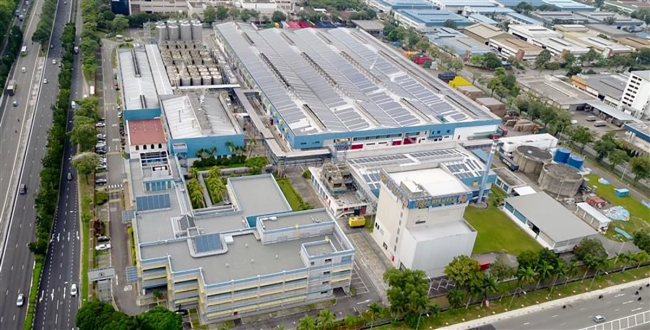
Dutch brewer Heineken will shift its brewing production from Singapore to Vietnam and Malaysia as part of its strategy to build a more agile regional supply approach.


 |
A 2025 survey by Bloomberg Intelligence, which includes over 100 CTOs at banks globally, indicates that on average, they expect a net 3 per cent of their workforce to be cut, equalling 200,000 jobs in the next three to five years due to AI. Back office, middle office, and operations involving routine, repetitive tasks are likely to be most at risk.
ThoughtLinks reports that tech, engineering, and infrastructure in the banking industry would be most susceptible to AI transformation, with a projection of 55 per cent of the work involved in that sector being redefined by 2030. Commercial banking could be redefined by as much as 49 per cent by 2030, wealth management to the tune of 42 per cent, and investment banking by as much as 33 per cent.
To keep up with the changes, major banks on Wall Street are stepping up investments in AI. Similarly, Vietnamese banks are not immune to this trend.
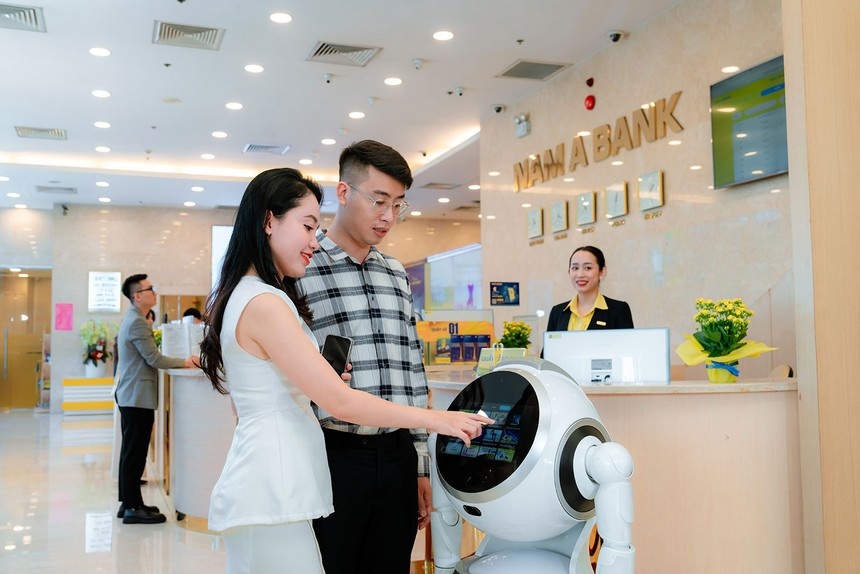
At the banking space during the national exhibition “80 Years of Independence – Freedom – Happiness” last year, TPBank’s robot greeted visitors. The robot not only remembered a visitor’s name but also talked to him: “Hello, Tuan.” Before they parted, the robot added, "Goodbye, I hope to see you again soon at TPBank’s transaction points."
This reflects how AI encroaches on tasks currently carried out by human workers in the banking industry. Stepping into a downtown bank branch today, the scene feels different. Gone are the rows of staff bent over their desks, typing nonstop, stacks of paperwork piled high, and stamps being slammed fast.
The space is tidier and quieter, and the operations seem gentler. A customer looks around and jokes, “Does the bank have less work today?” A staff member smiles and gestures towards the report open on her screen. “There’s actually more work than before–it’s just no longer the kind of hands-on work that keeps us constantly busy.”
The answer might sound amusing, but it accurately reflects a major shift in the banking industry. As AI and automation systems handle much of the repetitive work–from reviewing credit files and comparing data to analysing cash flow and flagging risks–the rhythm of the transaction office changes. The noise of paperwork gives way to a focus on intellectual engagement.
This change becomes clearer when a small business owner enters the bank. As usual, he prepared for a lengthy transaction with a list of paperwork. But instead of being handed more forms, the business owner is invited for a drink and greeted with a question: “How long do you plan to use this cash flow?”
The customer paused for a few seconds, then burst out laughing: "This is the first time I've applied for a bank loan and no one asked if I had all the necessary documents." Such remarks reflect the changing roles of bank branches during the rapid digital transformation.
Tran Cong Quynh Lan, deputy general director of VietinBank said, "Five years ago, AI only assisted us with a portion of the work. Today, AI even proposes loan decisions–all within minutes."
AI a new colleague
Lan further noted, “AI can access customer information anytime, anywhere. AI can write reports, analyse data, and advise on suitable products that bring the highest benefit to the customer. AI is helping bank staff accelerate process automation at every stage.”
Consequently, bank employees are changing how they work. Instead of intensely checking every document, staff spend time listening to the customer's story, asking questions to understand the nature of the cash flow, and providing more appropriate suggestions.
AI not only serves employees but is also a powerful tool for bank leaders.
Lan spoke about how "Genie," an internal AI assistant developed by VietinBank that can answer queries regarding over 500 financial indicators and report business performance for every transaction office within seconds. Even Lan frequently uses Genie in his daily work. For example, before a meeting with a branch, the AI assistant provides complete information on end-of-period credit balances, growth charts, and general assessments upon request.
Meanwhile, the chairman of another bank enthusiastically spoke of the internal AI assistant his bank developed. When professional obstacles arise, there is no need to send emails to various departments to check. They can ask the AI assistant and receive answers in less than a minute.
The AI assistant is trained on over 2,000 internal processes and policies, saving over 95 per cent of waiting time, as well as hundreds of thousands of working hours per month. This demonstrates the enormous potential when AI is truly integrated into daily work.
The increasing presence of AI in operations has transformed the atmosphere at banks, from transaction rooms to customer interactions. Economist Nguyen Tri Hieu said, “This shift makes transaction offices less crowded and conversations longer and deeper. It’s a subtle change, but it’s making a big difference in how banks accompany the economy.”
A credit officer shared, "Compared to the past, the keyboard is lighter to use, but shoes wear out faster because bank employees walk more, connecting customers with financial solutions and the business ecosystem. The job is more interesting but also requires more capabilities."
Indeed, the paradox of automation is that as manual tasks decrease, responsibility becomes heavier. When machines handle the technical side quickly, human value lies in the ability to analyse, advise, and provide judgments. This forces banks to reinvest in their people. Training is no longer just about professional skills but about service mindset, the ability to listen, understanding the customer’s industry, grasping cash flow, and feeling the pressures behind the numbers.
AI can process vast amounts of data, but it cannot deal with market volatility, stand beside a borrower who has lost everything to a natural disaster, or help an entrepreneur stay calm before a major financial decision.
The banking system of 2026 is defined by less paperwork, more dialogue, fewer routine operations, and more critical thinking. It is a place where capital is not just processed but guided to go in the right direction.
 | Vietnam’s banking sector enters data-driven era AI and data are fast becoming the lifeblood of the digital economy, where they are no longer just technological tools but strategic imperatives, well-defined priorities, and robust long-term planning from financial institutions. |
 | AI a game changer for Vietnam’s banking industry AI is set to transform Vietnamese banking operations, from customer experience to fraud detection and operational efficiency. |
 | Vietnam’s financial sector accelerates AI adoption, but security issue remains Financial institutions in Vietnam are accelerating the adoption of AI, but security concerns and legacy technology remain significant barriers to scaling deployment, according to new research from Finastra on February 10. |