




Heineken to shift production from Singapore to Vietnam and Malaysia
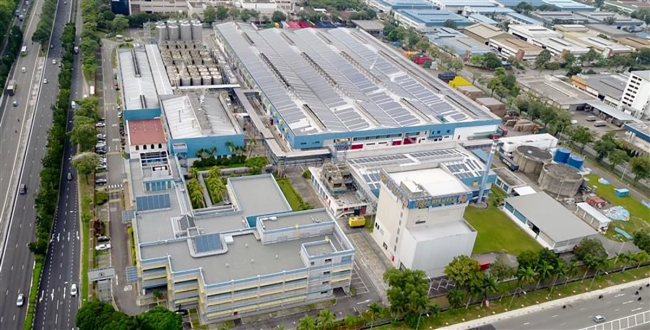
Dutch brewer Heineken will shift its brewing production from Singapore to Vietnam and Malaysia as part of its strategy to build a more agile regional supply approach.


How did European companies perform and adjust their strategies in response to inflation, interest rates, or geopolitical uncertainty in 2025?
 |
| Erick Contreras |
After years marked by external shocks, the country’s economic landscape began to offer not just stability but tangible momentum. European firms responded by consolidating operations towards resilience and long-term value creation.
This shift is most clearly reflected in EuroCham’s Business Confidence Index (BCI) for the fourth quarter of 2025, which surged 13.5 points to reach 80, the highest level in seven years, and importantly surpassed both pre-tariff and pre-pandemic levels. This sharp increase signals a decisive shift from caution to confidence, underpinned by tangible improvements in operating conditions rather than just sentiment.
In response to global uncertainty, many European firms prioritised cost optimisation, supply-chain diversification, and selective capital allocation, while continuing to invest in long-term stability and growth.
Companies adjusted by strengthening partnerships with Vietnamese firms, and accelerating digitalisation to improve operational efficiency.
Which regulatory or policy reforms had the most tangible impact on European businesses during 2025?
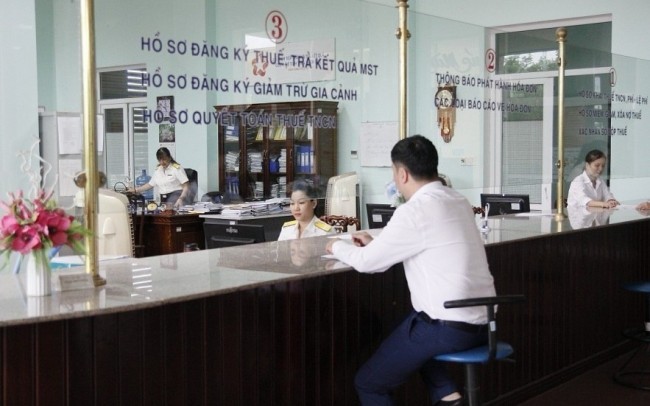
In 2025, progress on regulatory reforms gradually became visible in day-to-day business operations. Measures aimed at reducing administrative burdens and accelerating digitalisation began to deliver tangible results, even though implementation has remained uneven across sectors and localities.
Reforms which seek to foster a more enabling environment for the private sector were particularly welcomed by the business community. In the Q4 of 2025 BCI, around one quarter of surveyed companies reported clear operational improvements, while 8 per cent experienced significant positive changes, notably in procedural transparency and engagement with authorities.
At the same time, 61 per cent have yet to observe any meaningful impact, and 5 per cent reported encountering new challenges, reflecting the reality that rapid regulatory changes can sometimes outpace the ability of foreign-invested enterprises to adapt.
Reforms that move the system forward are always welcomed. The government’s stated ambition to cut administrative hurdles by 30 per cent sends a strong and encouraging signal to the business community. We also recognise, however, that structural change takes time and needs several cycles of consultations and optimisations. EuroCham stands ready and committed in representing the business community during this critical transition period.
What major economic or business trends should policymakers and investors prepare for, and which industries are likely to attract the strongest European investment?
The strong BCI results and the fact that 88 per cent of surveyed businesses are optimistic about the 2026–2030 outlook suggest that European companies see Vietnam entering a more mature and optimistic phase of development.
Three trends stand out. First, businesses are focusing on upgrading capabilities through digitalisation, automation, and more resilient supply chains.
Second, sustainability and the green transition will increasingly define competitiveness and investment flows. And third, we expect deeper sectoral and regional integration, with growing interest beyond traditional urban centres.
Following the elevation of EU-Vietnam relations, a new wave of European investment is expected, particularly in green energy, advanced tech, low-carbon transition, digital connectivity, and sustainable transport and infrastructure.
European businesses are already taking action. Late 2025 saw several announcements, including a premier European engineering company’s participation in Vietnam’s high-speed railway plans. As of early 2026, a global leader in lithography tech is exploring the establishment of a semiconductor training centre at the National Innovation Centre, while another European manufacturer is expanding a major R&D hub in Ho Chi Minh City focused on mobility solutions and embedded software. European financial institutions have also pledged support for developing a modern financial ecosystem and high-quality human capital.
Overall, there is a sense of pragmatic confidence. Businesses are optimistic, but they are also clear about what is needed: continued reform, regulatory clarity, and a strong partnership between the public and private sectors.