

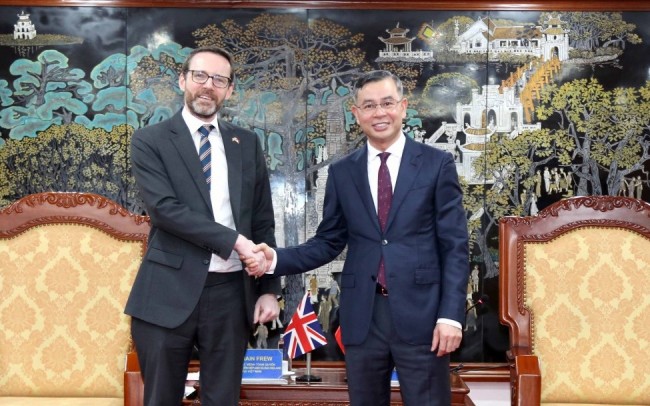
Heineken to shift production from Singapore to Vietnam and Malaysia
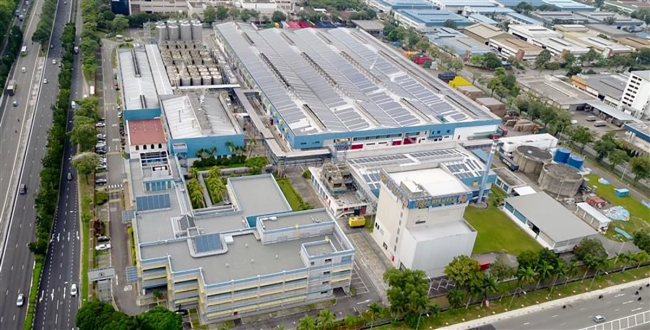
Dutch brewer Heineken will shift its brewing production from Singapore to Vietnam and Malaysia as part of its strategy to build a more agile regional supply approach.


Sharing the latest data at the seminar “International Economic Cooperation on Energy and Free Trade”, held on December 16 by the Institute for Brand and Competitiveness Strategy, Nguyen Anh Tuan, vice chairman of the Vietnam Energy Association (VEA), said that Vietnam would need more than $136 billion for power generation and grid investment alone by 2030.
“Vietnam is facing a dual pressure, having to meet electricity demand growing by around 8-10 per cent per year to support economic development, while at the same time undertaking a comprehensive green transition,” stated Tuan.
Another estimate cited by Dang Huy Dong, former Deputy Minister of the Ministry of Planning and Investment (now the Ministry of Finance), puts the capital required to successfully implement Power Development Plan VIII over the next five years at more than $120 billion.
According to Dong, domestic resources, including state capital, capital from state-owned enterprises, and private-sector funding, can provide at most around $50-60 billion to safeguard the stability of the national financial system.
“This means Vietnam still faces a funding gap of $60-70 billion that must be mobilised from international capital markets,” said Dong.
Identifying barriers and bottlenecks in implementing energy-related commitments under free trade agreements (FTAs), experts noted that although FTAs have opened up access to markets, technology, and capital, domestic enterprises continue to face difficulties in meeting technical standards, utilising tariff preferences, and integrating more deeply into regional supply chains.
“International economic cooperation in energy in the new era is not merely about sharing profits from projects. It must involve sharing technological risks, financial burdens, and responsibility for our planet’s common future,” said VEA vice chairman Nguyen Anh Tuan.
According to Tuan, Vietnam needs to define an energy cooperation strategy built on three key pillars, namely cooperation on green finance and risk sharing, cooperation on technology and research and development, and cooperation on policy frameworks and market mechanisms.
“Vietnam highly values and is actively implementing the Just Energy Transition Partnership (JETP) with the International Partners Group, valued at $15.5 billion. However, this is not sufficient. We are calling for blended finance mechanisms, meaning the use of concessional funding from international development institutions as catalytic capital to de-risk projects and enhance their financial viability, thereby crowding in the massive pool of private capital that is waiting on the sidelines,” he explained.
On technology and research and development (R&D) cooperation, Tuan called for a shift from a simple “equipment procurement” model to a “co-development and technology transfer” approach.
“Vietnam encourages leading global energy corporations not only to sell turbines or solar panels, but to establish R&D centres and cooperate with Vietnamese research institutes and universities to localise technology, particularly in smart grids and energy storage,” he added.
 |
To ensure effective implementation of the green energy strategy, Dr. Le Xuan Nghia proposed several key measures, highlighting the urgent need to issue a national “Green Energy Classification Framework”.
“The criteria must clearly distinguish between renewable energy and green energy, assess lifecycle emissions, standardise technologies, materials and operating processes, and require take-back and recycling of solar panels and storage batteries. This will serve as a critical legal foundation for attracting high-quality investment,” said Nghia.
Nghia underscored the importance of establishing a transparent green electricity pricing mechanism.
“This should include feed-in tariffs or auctions for offshore wind power, flexible pricing mechanisms for energy storage, development of the wholesale electricity market, direct power purchase agreements, and a national renewable energy certificate market with international linkages,” he stated. “Transparent pricing mechanisms are a prerequisite for attracting private capital.”
In addition, Nghia proposed supporting industrial parks and enterprises in greening production through the development of “carbon-neutral industrial parks”.
“This requires a mandatory roadmap for the use of green electricity in major export-oriented industries, alongside dedicated green credit packages and tax incentives for self-generation and self-consumption projects,” said Nghia.
“International cooperation remains a crucial source of capital and technology, including leveraging partnerships under the JETP, cooperation on energy storage and hydrogen with Germany, Denmark, and the US, and technical assistance from global climate organisations, as well as strengthening collaboration through the EU and Japan’s energy transition programmes,” he added.
 | Green finance the key to unlocking Vietnam’s energy future As Vietnam strengthens its commitment to achieve net-zero emissions by 2050, the challenge is not whether a clean energy transition will occur, but how it will be financed. Green finance is no longer a niche concept. It is now the foundational mechanism required to mobilise the trillions of VND needed to reshape the national energy landscape. |
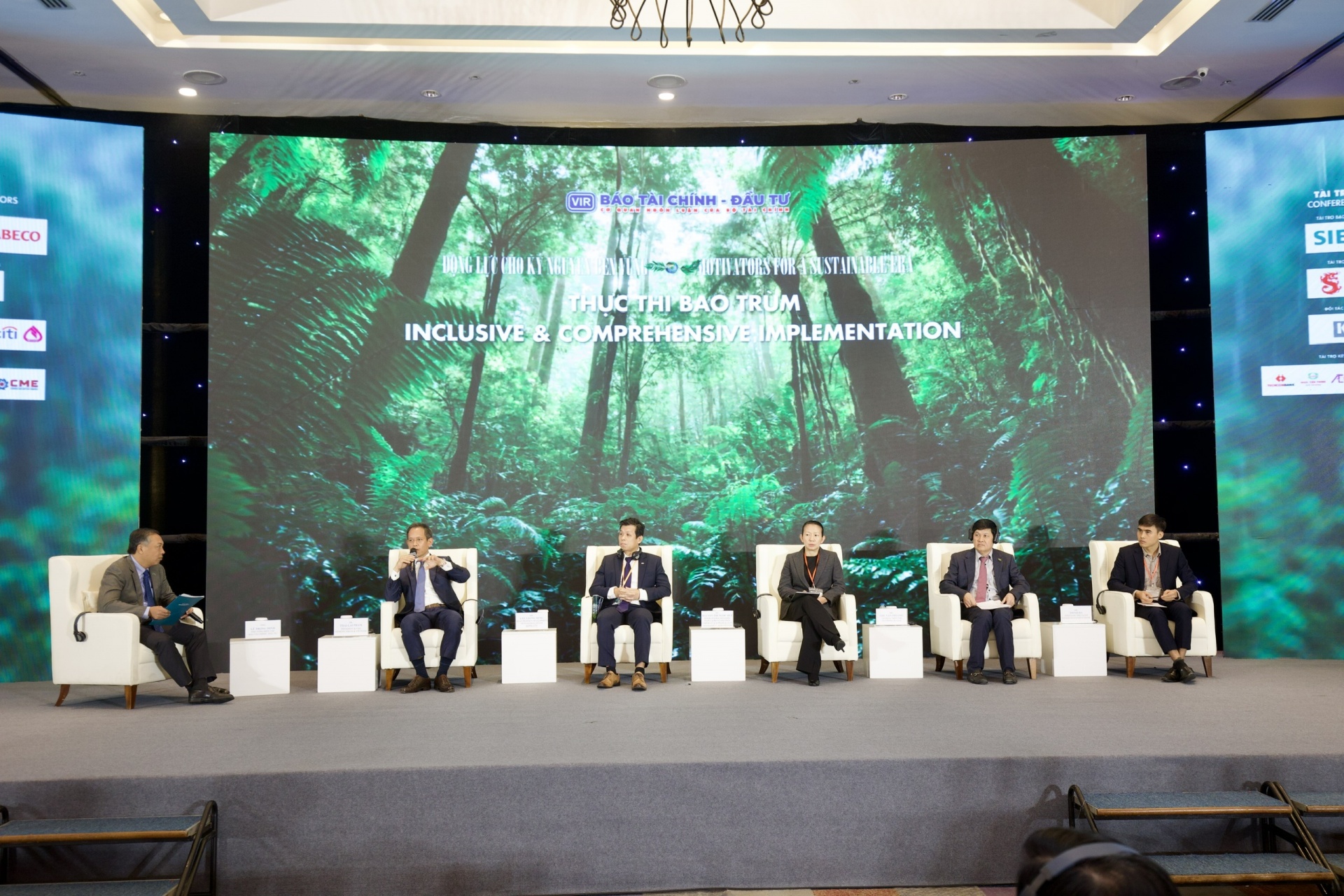 | Technology and green finance emerge as twin pillars for Vietnam’s sustainable growth Business leaders and experts have noted that technology-driven efficiency and green finance will be decisive factors shaping Vietnam's sustainable economic transformation. |
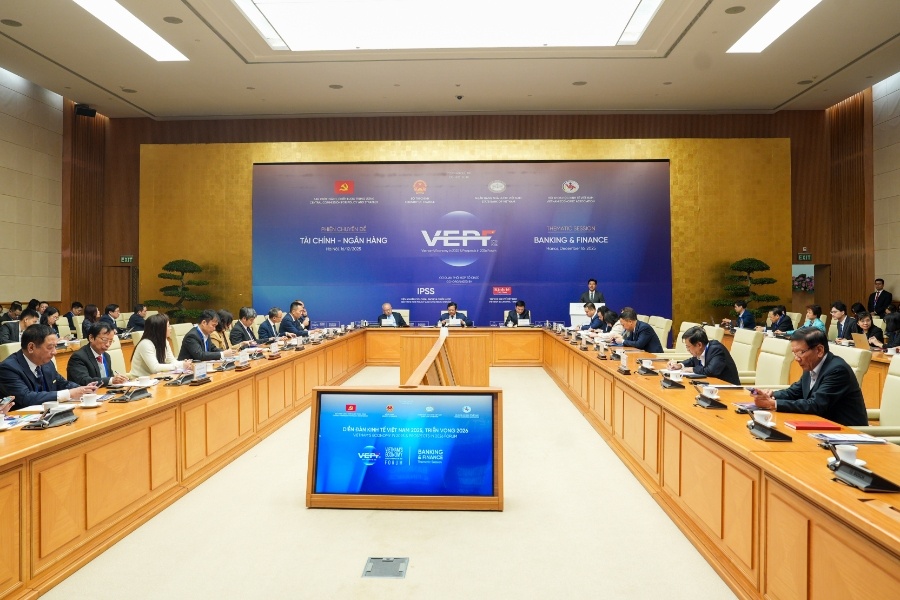 | Securing capital and efficiency for Vietnam’s 2026-2030 growth ambitions One of the decisive challenges in achieving high growth is ensuring that the economy has a sufficiently large pool of capital, while using it efficiently to promote a new growth model. |