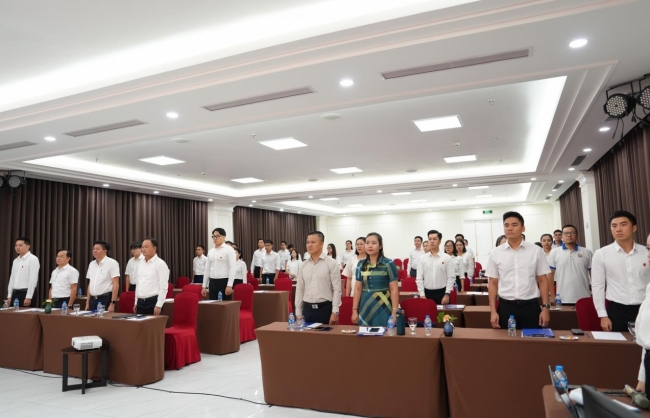



HDS International Group and the Delegation of German Industry and Commerce in Vietnam (AHK Vietnam) co-hosted the Supply Chain & Logistics Summit in Ho Chi Minh City on December 11. The event convened senior leaders from across Asia and Europe to discuss Vietnam’s emerging role in reshaping regional supply chains, reflecting the country’s evolution since the first container ship docked at Cai Mep port over a decade ago.
The summit attracted experts from leading manufacturers, logistics providers, real estate developers, law firms, and technology companies. The event served as a high-level dialogue and as a strategic meeting point for business and policy minds navigating today’s complex trade environment. It addressed one pressing question – 'How can businesses transform supply chain challenges into strategic advantages in today’s volatile global market?'
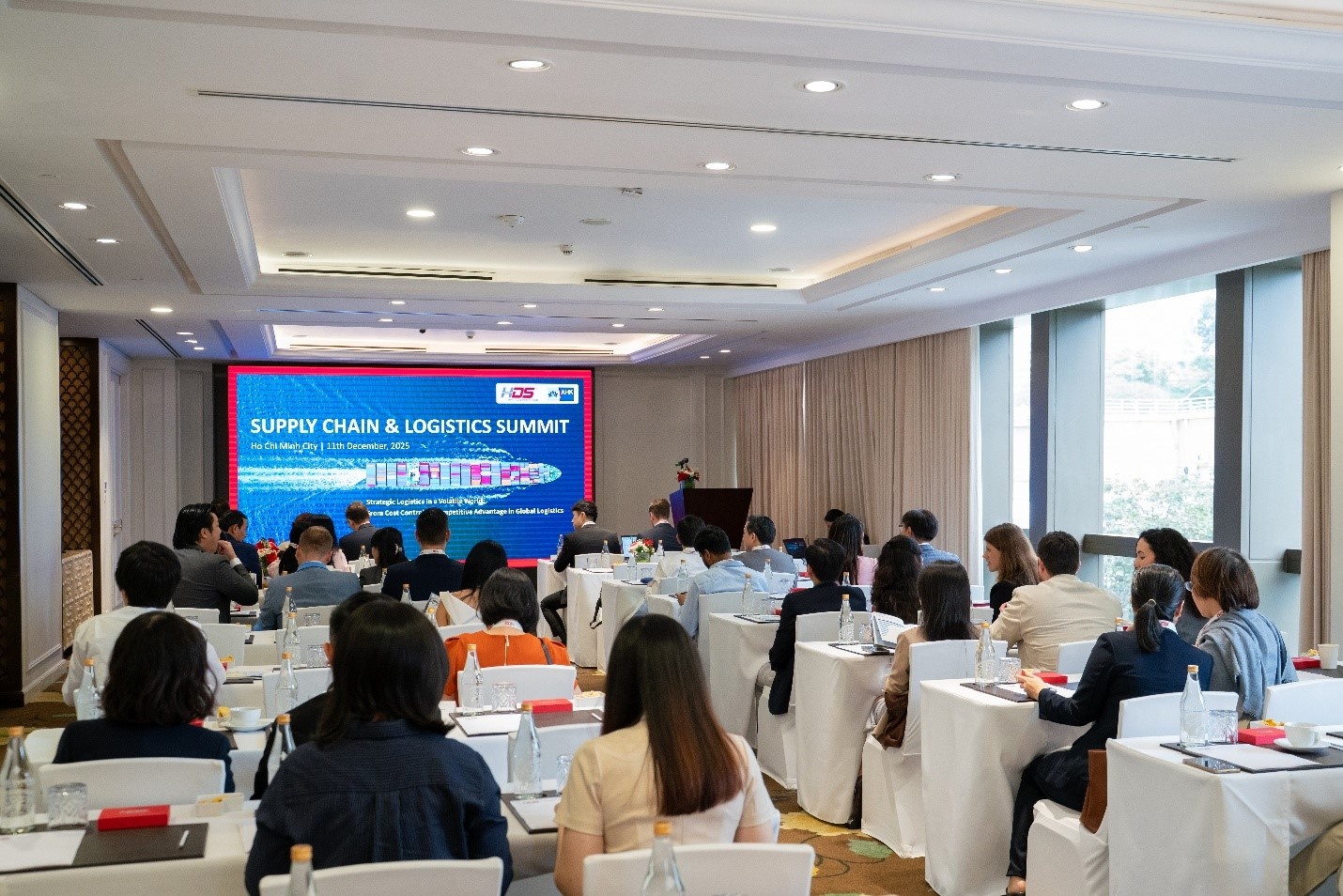 |
| Photo: HDS International |
As global supply chains are forced to adapt to geopolitical tensions, trade shifts, and climate disruptions, Vietnam has emerged as a stable, scalable, and increasingly sophisticated hub. This year’s summit brought together key players from companies such as Schaeffler, CIMC Wetrans, BW Industrial, Luther Vietnam, and HDS to exchange first-hand insights on how logistics is evolving from a back-office function into a boardroom-level priority.
From the opening remarks to the closing panel, one idea resonated – resilience has become the new foundation of logistics strategy. Where once cost control dominated supply chain planning, today’s decision-makers must also account for uncertainty, complexity, and rising expectations on sustainability and transparency.
The summit highlighted how Vietnam’s value proposition has shifted. Its low-cost manufacturing appeal is now complemented by growing infrastructure capacity, a tech-savvy workforce, and strategic integration into regional trade networks like the EU-Vietnam Free Trade Agreement and Regional Comprehensive Economic Partnership. This combination is attracting investment not just in production, but in warehousing, freight, and digital logistics solutions.
While traditional industrial zones once competed mainly on size and location, the discussion made clear that functionality and flexibility are the new priorities. Developers and tenants are increasingly seeking facilities that are automation-ready, green-certified, and positioned within satellite logistics hubs surrounding cities like Ho Chi Minh City.
Such infrastructure trends are closely aligned with evolving tenant behaviour – shorter delivery times, integrated data systems, and greater resilience against shocks such as border closures or port congestion. Vietnam’s logistics transformation is no longer theoretical; it is happening in real time.
Throughout the summit, the application of predictive analytics, digital control towers, and supplier benchmarking emerged as central themes. Companies are increasingly leaning on data to cut costs and to gain strategic foresight. Logistics, it seems, is no longer just about 'how fast' or 'how cheap', but 'how smart'.
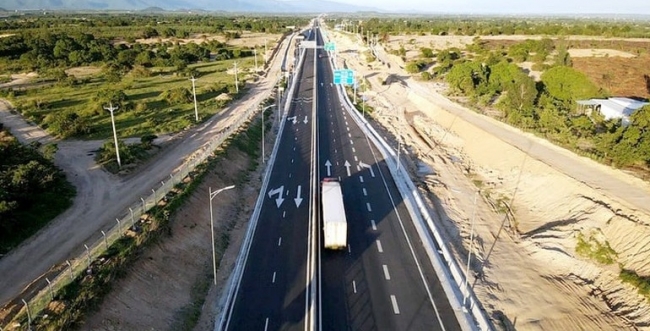
The rise of multimodal transport was another major talking point. Rail, road, and waterways are being integrated into more agile transport strategies, especially as Vietnam continues to invest in its inland ports, expressways, and intermodal connections. With volatility in freight markets showing no sign of slowing, participants agreed that diversification across transport modes is no longer a luxury; it's a competitive necessity.
On the legal front, updates on customs reforms and Free Trade Zones served as a reminder that logistics is also shaped by policy. The introduction of standardised procedures and Vietnam’s ambition to build International Financial Centres point to a broader push for transparency and global alignment, but also demand new levels of legal readiness from businesses operating in this environment.
One standout feature of this year’s summit was its interactive format. Through a real-time poll, attendees shared their views on key supply chain issues, from top challenges and preparedness levels to the infrastructure delays most affecting their operations.
The results painted a clear picture – geopolitical uncertainty, digital transformation, and regulatory hurdles are top of mind for logistics professionals. More than just a data point, the poll grounded the panel discussion in real-world concerns and highlighted the need for collaborative problem-solving among private and public stakeholders alike.
The closing panel, moderated by Elias Abraham of Cargonomics, united diverse voices from logistics, manufacturing, real estate, and trade. The shared conclusion was clear. Agility is no longer optional. It is the new standard. And in shaping that standard, Vietnam is taking a leadership role in the regional logistics arena.
AHK Vietnam explained its continued support for international businesses, particularly German small- and medium-sized enterprises, in navigating market access, policy understanding, and partner identification across Southeast Asia. At the same time, HDS International demonstrated how data, visibility, and strategy can help firms move beyond short-term fixes to build sustainable, high-performing logistics ecosystems.
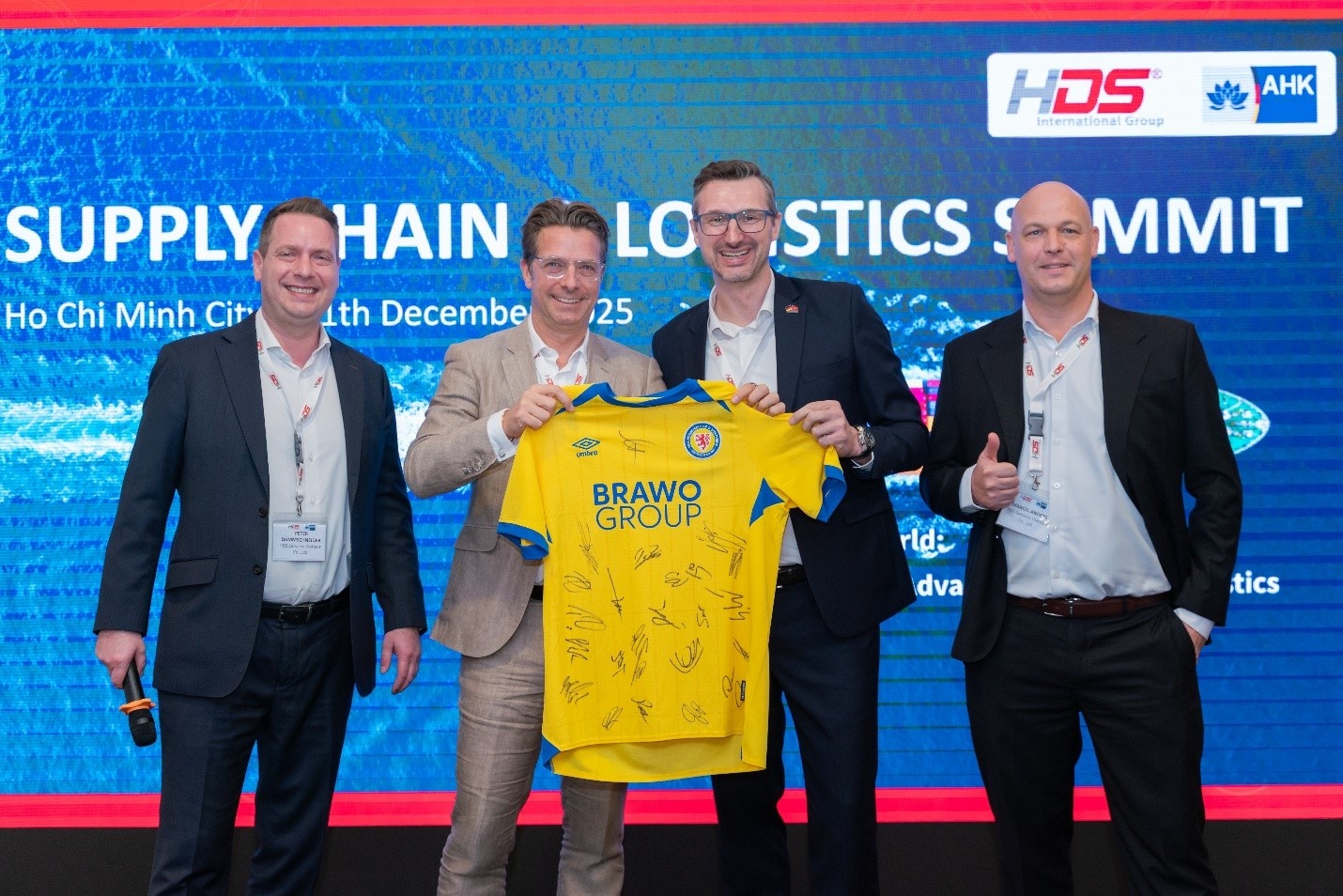 |
| A symbolic handover celebrated the HDS–AHK Vietnam partnership, featuring an official jersey from the Braunschweig football team, home to HDS International’s headquarters. Photo: HDS International |
One of the summit’s key takeaways was the growing need for solutions that help companies navigate complexity without losing competitiveness. In this context, HDS International shared how it supports clients in transforming logistics from a traditional cost centre into a lever for strategic growth. Rather than offering one-size-fits-all answers, the company focuses on tailored supply chain analytics, process optimisation, and scenario-based cost control.
Through digital visibility tools, predictive insights, and practical benchmarking, HDS works closely with manufacturers and logistics teams to identify inefficiencies and build smarter, more resilient operations. Its approach is not about replacing systems overnight but enhancing decision-making and creating long-term value through step-by-step improvements.
As global trade grows more fragmented, HDS continues to serve as a trusted partner for companies looking to align logistics strategy with business performance; building not just more efficient supply chains, but more adaptable ones.
The summit ended on a high note, with HDS International confirming plans to host the next edition in 2026 following strong reception and impact.
For businesses navigating today’s fragmented global landscape, Vietnam is emerging as both a production hub and a dependable, forward-looking logistics partner.