


According to experts at VPBank Securities JSC (VPBankS), amid intensifying geopolitical conflict in the Middle East, certain sectors of Vietnam’s stock market may benefit significantly as capital flows into oil-linked assets on rising crude prices, while many other industries could face short-term pressure.
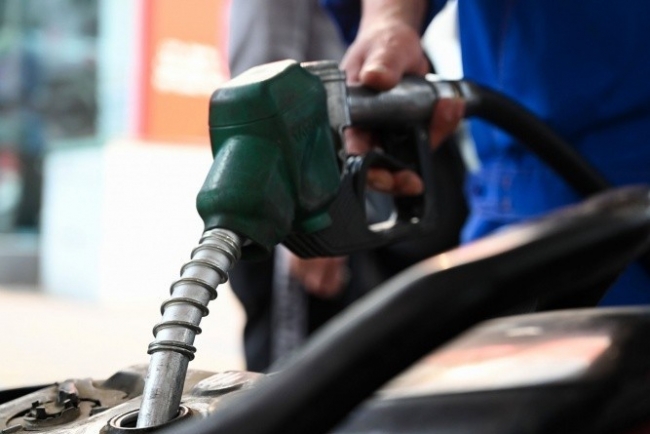
One of the three sectors expected to gain is oil and energy stocks. VPBankS analysts forecast that this group would be the most visibly supported if oil prices continue their upward trajectory.
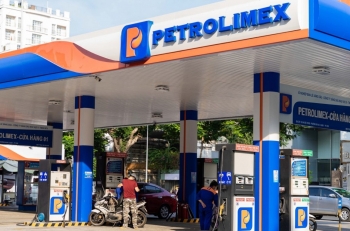
This segment typically benefits the most, including tickers such as GAS, BSR, and PLX.
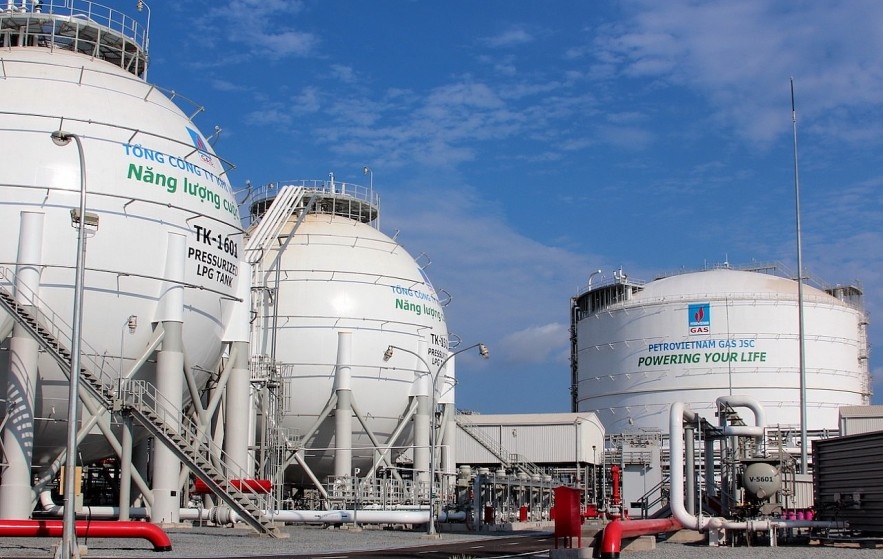 |
| GAS shares, belonging to the oil and energy sector, surged to the daily limit on March 2 amid escalating Middle East tensions |
Specifically, these stocks often rally sharply alongside rising oil prices, as profit margins improve and upstream and gas infrastructure projects are accelerated.
VPBankS believes the group could emerge as a ‘bright spot’ in the current context, potentially outperforming the broader market trend.
Oil-related chemical stocks may also benefit indirectly from higher input costs or commodity prices. Fertiliser stocks – including DPM, DCM, and CSV – could respond positively in price terms.
Meanwhile, port and logistics shares could see gains if shipping routes are rerouted or if demand for energy transportation increases, pushing freight rates higher. Analysts highlight stocks such as GMD, PVT and HAH in this category.
On the downside, sectors sensitive to inflation and fuel costs – such as consumer goods, manufacturing and road transport – may face negative impacts if domestic retail fuel prices rise sharply, squeezing profit margins.
According to VPBankS analysts, a potential closure of the Strait of Hormuz could significantly influence oil price movements in the upcoming week.
This is one of the world’s most critical energy transit routes. Approximately 20-22 per cent of global oil supply – equivalent to 20-21 million barrels per day – along with substantial volumes of liquefied natural gas from Saudi Arabia, Iraq, the UAE, Kuwait, Qatar and Iran, pass through this corridor.
Vessel-tracking data indicate that oil and gas shipments through the Strait have nearly come to a halt. Iran has reportedly warned that it would not allow ships to transit the area, prompting many energy firms and trading houses to suspend transportation activities.
In the short term, VPBankS experts warn that even a few days of disruption could significantly affect supply.
Oil prices could rise by an additional $10-$50 per barrel, with a worst-case scenario pushing prices into the $90-$150 range. However, if the United States intervenes militarily to restore maritime traffic, the disruption period could be shortened.
In the event of severe escalation, global supply could fall by 10-20 per cent, driving oil prices sharply higher.
Regarding the projected impact on the VN-Index during the trading week from March 2-6, VPBankS analysts assess the impact as short-term and cautious.
With the index approaching its historical peak zone of 1,900-1,920 points, selling pressure may emerge, potentially pulling the market back to the 1,850-1,870 range, or even 1,800-1,830 points if selling broadens or foreign investors accelerate net selling.
Nevertheless, the overall correction is expected to be moderate, with low likelihood of extreme volatility comparable to previous global shocks.
Vietnam’s stock market is not directly dependent on Iranian oil, meaning the primary impact would stem from investor sentiment and foreign capital flows.
Should oil prices stabilise quickly due to regulatory responses from the Organization of the Petroleum Exporting Countries, the VN-Index could return to an accumulation phase and resume its upward trend, with selective opportunities remaining across certain sectors.
Nguyen The Minh, head of Research at Yuanta Securities Vietnam, noted that wars and geopolitical conflicts typically exert negative short-term impacts on the S&P 500, with effects gradually diminishing over the longer term. Notably, the negative impact stemming from Middle Eastern conflicts has historically been lower than that from other regions.
“Oil prices tend to benefit positively in the short term during such events, while exerting downward pressure on the S&P 500. As a result, investors may capture short-term gains in oil and gas stocks, whereas most other equities could come under pressure. However, on average after around 22 days, the S&P 500 has tended to bottom out and gradually recover, while oil prices cool off,” he said.
Accordingly, Minh recommends that in the short term, investors may take advantage of sharp oil price increases to lock in profits in oil and gas stocks, while leveraging pullbacks in other sectors to buy in to accumulate positions under this strategy.