


 |
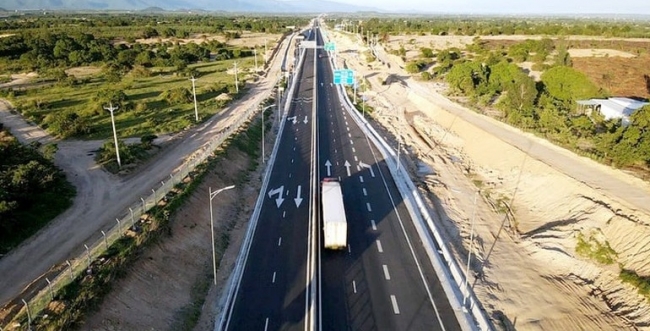
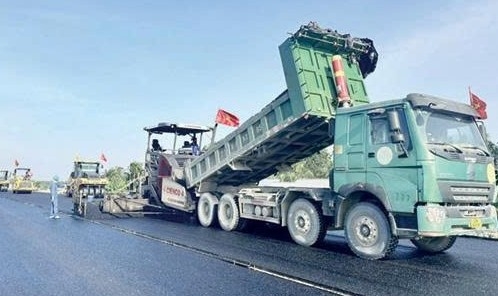
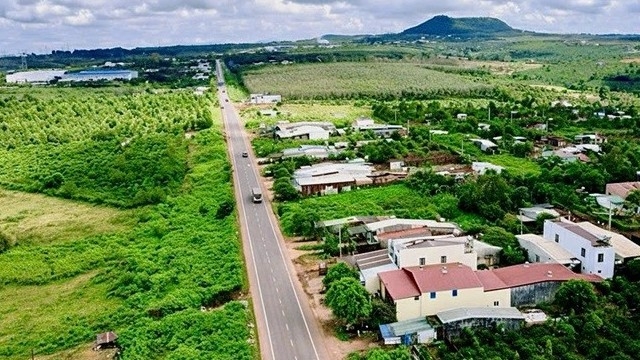
| Photo: AI-generated image |
Speaking at a national conference reviewing the ministry’s 2025 performance and setting priorities for 2026 on December 20, the PM said, “The railway is strategically critical to the country’s long-term development, not only for improving transport efficiency but also for unlocking new development corridors, strengthening national competitiveness, and supporting sustainable growth. Vietnam must move decisively from planning to implementation, starting with the urgent selection of an investment approach for this flagship project.”
“An immediate review of technical standards, regulations, and readiness conditions is needed by the end of December, paving the way for investor mobilisation and technology selection based on clearly defined national standards. Choosing the right investment model is essential to effectively implement resolutions adopted by the politburo, the National Assembly and the government,” he said.
PM Chinh noted that 2025 was the first year the Ministry of Construction operated under a newly restructured organisational model, following a merger between the Ministry of Construction and the Ministry of Transport that significantly expanded its responsibilities. Despite the heavier workload, the sector delivered major results in national infrastructure development.
Previously, in late October, the Ministry of Finance proposed that the government establish an advisory council to select investors for the $64.9 billion North-South high-speed rail scheme
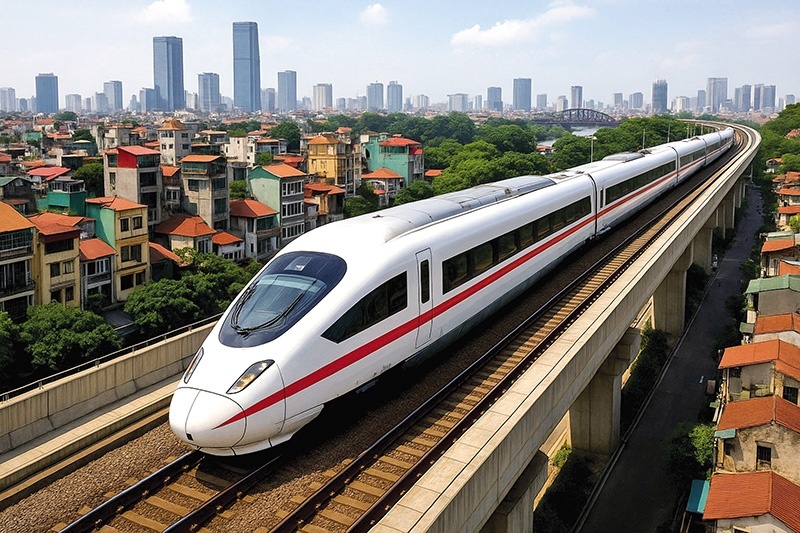
Approved by the National Assembly in November 2024, the mega project will stretch 1,541 km from Ngoc Hoi Station (Hanoi) to Thu Thiem Station (Ho Chi Minh City), passing through 15 cities and provinces after recent administrative reorganisations.
Designed for speeds of up to 350 km/h, the dual-track railway will use standard gauge (1,435 mm) and accommodate 23 passenger stations and five freight stations. The undertaking is planned to use public investment capital and be implemented in phases, with feasibility studies beginning in 2025 and targeted completion by 2035.
So far, at least two major domestic conglomerates, Vingroup and Thaco, have formally expressed interest in investing in the mega project.