



Heineken to shift production from Singapore to Vietnam and Malaysia
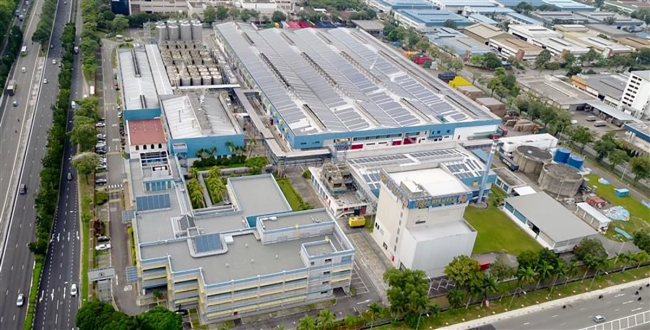
Dutch brewer Heineken will shift its brewing production from Singapore to Vietnam and Malaysia as part of its strategy to build a more agile regional supply approach.


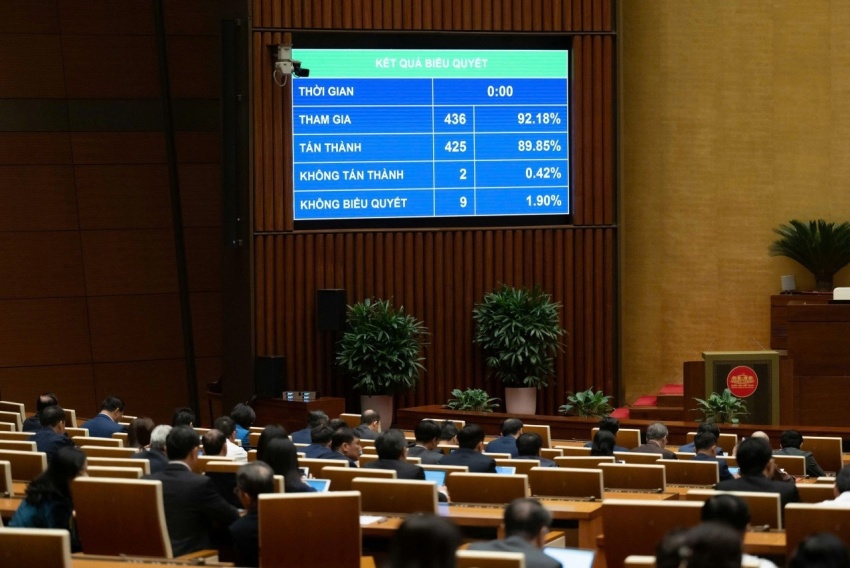 |
One of the major amendments concerns the procedures for investment policy approval. The draft law narrows and clarifies the types of projects that must undergo this process.
Investment policy approval will only apply to projects in important and sensitive sectors such as seaports, airports, telecommunications, journalism and publishing, and projects located in areas affecting national defence and security.
Regarding business lines, the draft law has reviewed the regulations on conditional business sectors and investment conditions in accordance with Resolution No.68/NQ-TW of the Politburo and Resolution No.198/2025/QH15 of the National Assembly. The government has cut 38 conditional business lines and revised the scope of 20 others.
At the same time, the government will announce two lists: sectors and trades requiring licensing or certification before investment and business activities may commence; sectors and trades where the management method will shift from prior licensing to disclosure of business conditions, thereby enabling post-audit management.
The law also includes major amendments related to the management of foreign investment in Vietnam and Vietnamese investment abroad.
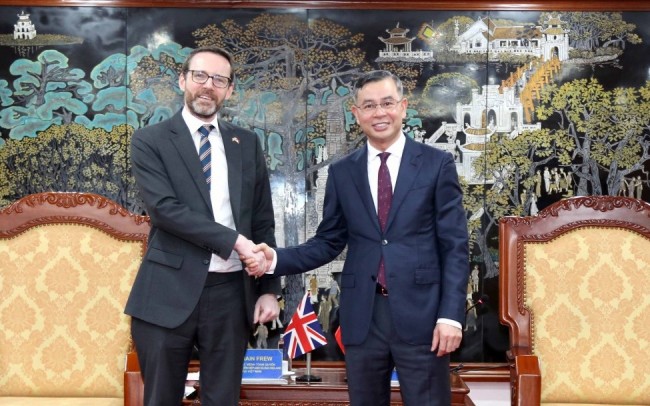
The law allows foreign investors to establish an enterprise before being issued the investment registration certificate. Minister Nguyen Van Thang emphasised that this is a significant procedural reform for foreign investors and will help improve the business and investment environment.
This provision aims to make the investment environment more open and attractive to foreign investors, enhance investment inflows, and ensure equal treatment between domestic and foreign investors in carrying out administrative procedures.
In addition, the government plans to supplement the draft decree with provisions to ensure state management and preserve national defence and security, such as regulations requiring investors to report operational status during the period before project implementation, and provisions requiring compliance with market-access conditions from the stage of establishing an economic organisation.
For outbound investment activities, the law simplifies procedures by removing the requirement for investment policy approval, and narrowing the types of projects that must obtain an outbound investment registration certificate.
The government will specify which projects are exempt from obtaining an outbound investment registration certificate to create favourable conditions for investors seeking to expand into international markets. At the same time, the government will consider additional regulations to strengthen foreign exchange management and ensure economic security and national financial safety.
The law includes provisions to ensure foreign exchange management for large-scale outbound investments. The Ministry of Finance will report to the prime minister for approval prior to issuing or adjusting outbound investment registration certificates.
The law also expands eligibility for the special investment procedure (the “green lane”), allowing projects in industrial parks, export processing zones, hi-tech parks, digital technology zones, free-trade zones, and functional areas within economic zones to apply this fast-track procedure regardless of sector, except for certain major and important projects such as airports and seaports.
This law will take effect on March 1, 2026. The provisions related to the list of conditional business lines will take effect on July 1, 2026. Clause 3, Article 50 of the law will take effect on January 1, 2026.