



Heineken to shift production from Singapore to Vietnam and Malaysia
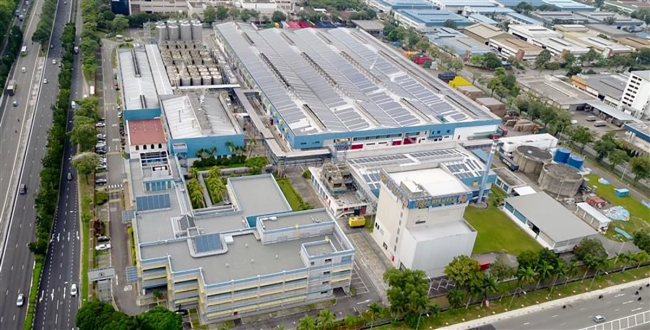
Dutch brewer Heineken will shift its brewing production from Singapore to Vietnam and Malaysia as part of its strategy to build a more agile regional supply approach.


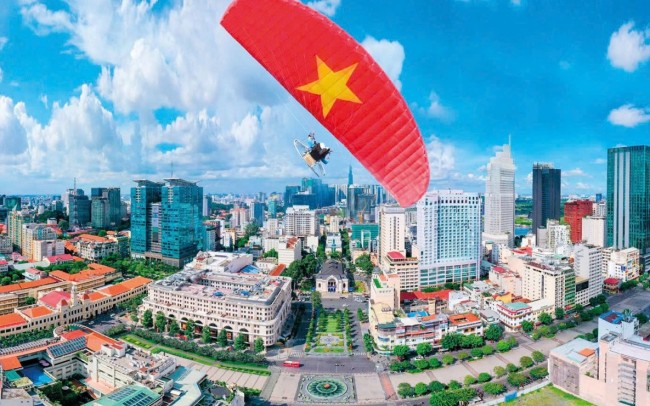
According to a policy brief released by the International Labour Organisation (ILO) on December 9, more than 25 per cent of the 75 million supply-chain-linked jobs in Southeast Asia are based in Vietnam, where supply chain–related employment now accounts for over 35 per cent of the national workforce. The report sheds light on Vietnam’s expanding contribution to global trade networks and identifies priority policy actions to build greater resilience and inclusiveness.
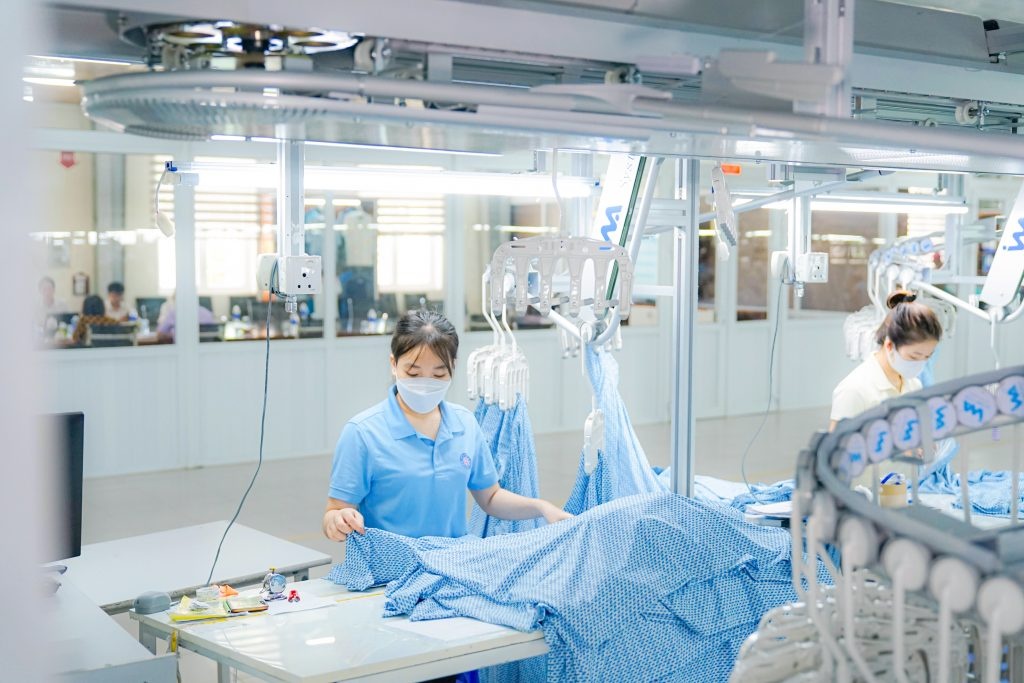 |
| Photo: baodautu.vn |
According to the report, rising global trade uncertainty is pushing Vietnam to recalibrate its approach to supply chain resilience and ensure more inclusive employment outcomes. This includes promoting decent work and creating an enabling environment that support a just transition for both workers and businesses as the country pursues broader economic and social objectives.
Employment linked to global supply chains in Vietnam has grown steadily since 2008, making the country the largest contributor to supply chain jobs in Southeast Asia in 2023. Manufacturing accounts for 49 per cent of Vietnam’s supply chain-related jobs, with textiles and garments alone representing nearly one-third.
Labour-intensive supply chain sectors tend to employ greater shares of women and young workers and provide more wage-paying jobs, though the proportion of high-skilled employment remains limited. The report also notes that more than 76 per cent of supply chain-related jobs in 2023 were directly or indirectly dependent on external demand from markets including ASEAN, China, the EU, Japan, South Korea and the United States.
To secure decent employment outcomes and enhance Vietnam’s position in regional and global supply chains, the ILO recommends coordinated policy action across several fronts.
These include trade diversification and deeper domestic industrial linkages; comprehensive, demand-driven skills development; gender-responsive labour market policies; social protection systems capable of absorbing transition-related shocks; improved job quality and labour standards; and more inclusive social dialogue and institutional coordination.
Strengthening supply chain resilience and capitalising on emerging growth sectors, the ILO concludes, present strategic opportunities to further advance Vietnam’s structural transformation.