




Heineken to shift production from Singapore to Vietnam and Malaysia
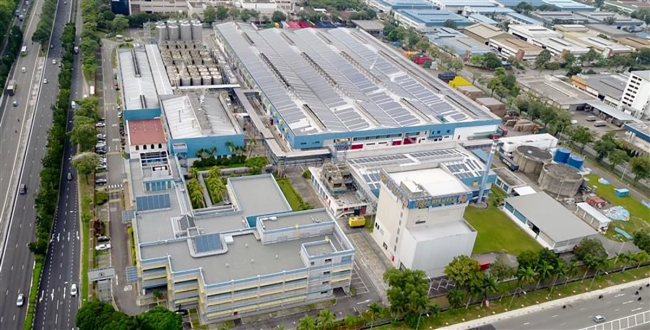
Dutch brewer Heineken will shift its brewing production from Singapore to Vietnam and Malaysia as part of its strategy to build a more agile regional supply approach.

The Vietnam M&A Forum 2025, held by VIR in Ho Chi Minh CIty on December 9, attracted experts, business leaders, and advisory firms discussing the latest movements in Vietnam's M&A market.
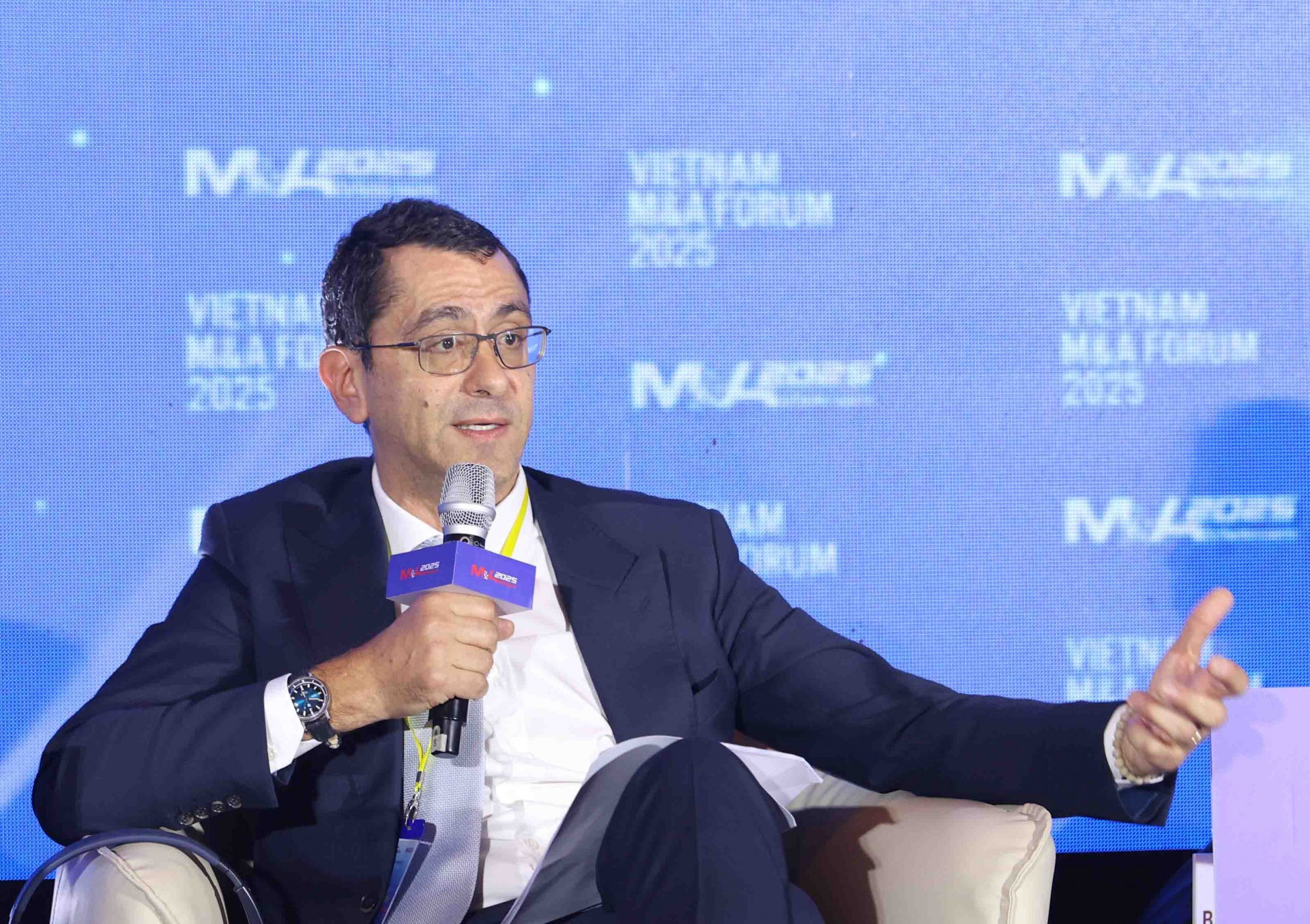 |
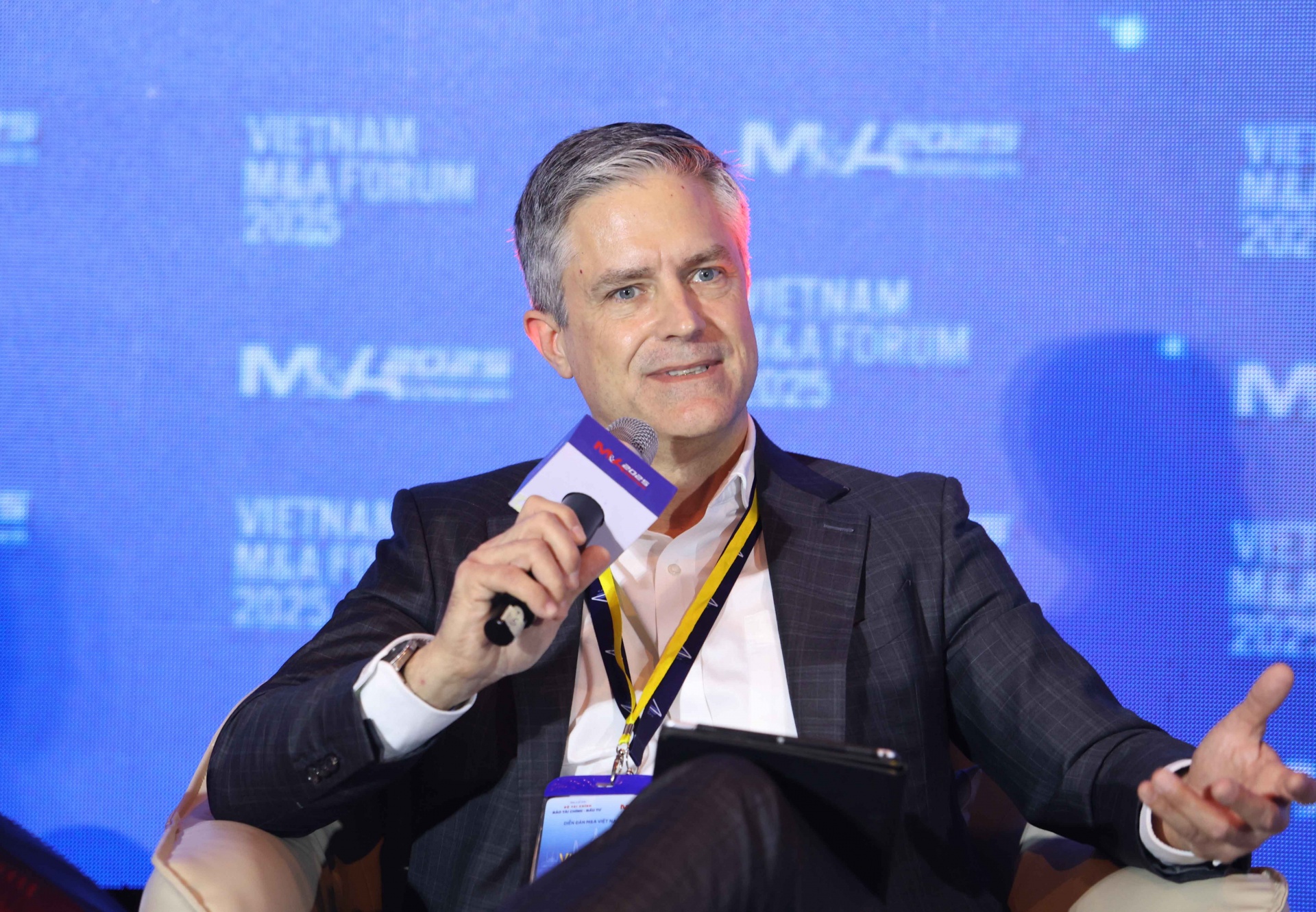
| Hugo Virag, managing director and co-head of Southeast Asia at Astris Finance |
Speaking at the second panel discussion, Hugo Virag, managing director and co-head of Southeast Asia at Astris Finance, said, "Energy, water, and infrastructure, especially digital infrastructure, are expected to be among the most dynamic sectors for M&As. Among them, renewable energy remains one of Vietnam’s most important sectors. Demand for both renewable and conventional energy is expected to increase."
To achieve its growth targets, Vietnam will require substantial capital. The country needs to mobilise capital, especially foreign capital. Some forecasts indicate that AI data alone could account for as much as 25 per cent of total energy demand, which is a huge figure.
"In the water sector, countries such as Indonesia continue to face water shortages, creating strong demand for water treatment businesses," he said, adding that a clear and stable regulatory environment is essential for facilitating M&A and attracting international capital, especially in energy.
In addition, companies must also choose advisory firms that understand the business of both buyer and seller. This is vital to fostering successful cooperation between the two parties.
 |
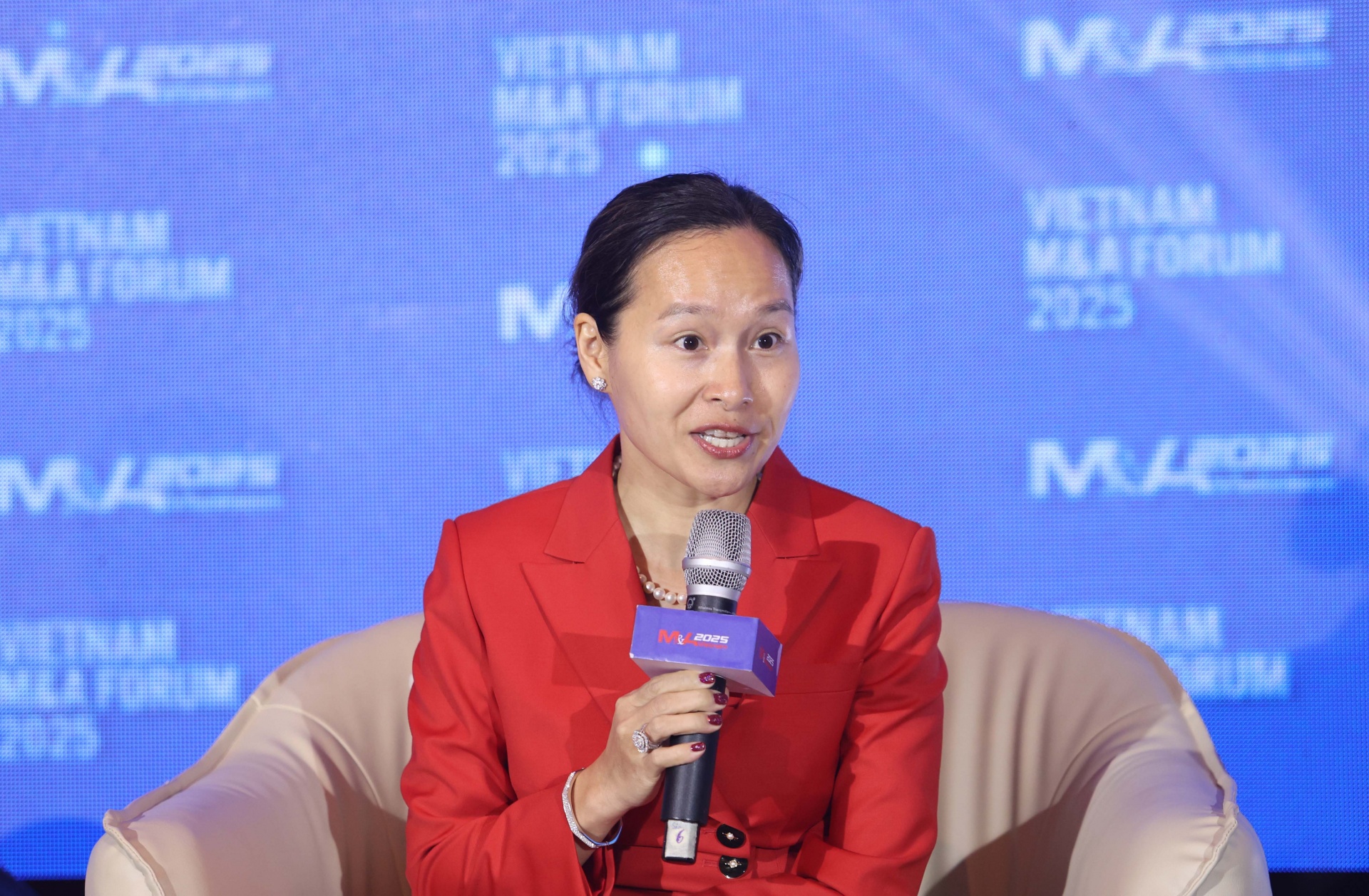
| Douglas Jackson, managing director of Alvarez & Marsal Vietnam |
Douglas Jackson, managing director of Alvarez & Marsal Vietnam, said, "The rise of foreign direct investment (FDI) inflows into Vietnam continues to shape upcoming M&A trends. Among them, real estate remains an attractive sector, especially the industrial park and data centre segments. Investment demand for technologies such as high-efficiency cooling systems in factories is also rising sharply."
He added, "The finance and banking sector is drawing significant interest, but it requires high transparency and a strict legal framework. Investors need to be cautious, as the financial sector has more complex requirements for governance and risk management. Nevertheless, ongoing restructuring, shifts in business models, and rapid digitalisation are creating new opportunities for strategic deals."
Healthcare is another highly sought-after sector. With an ageing population and rising demand for quality services, Vietnam offers ample room for foreign investors to invest in hospitals, clinics, and supporting healthcare services.
Besides analysing M&A trends, he also gave recommendations for cross-border M&A deals. Accordingly, advisory firms should improve transparency standards and segment the right target investors. They should also customise documents and messages to each investor. Last but not least, it is important to choose capable and reputable advisors, especially in complicated deals involving foreign investors.
 |
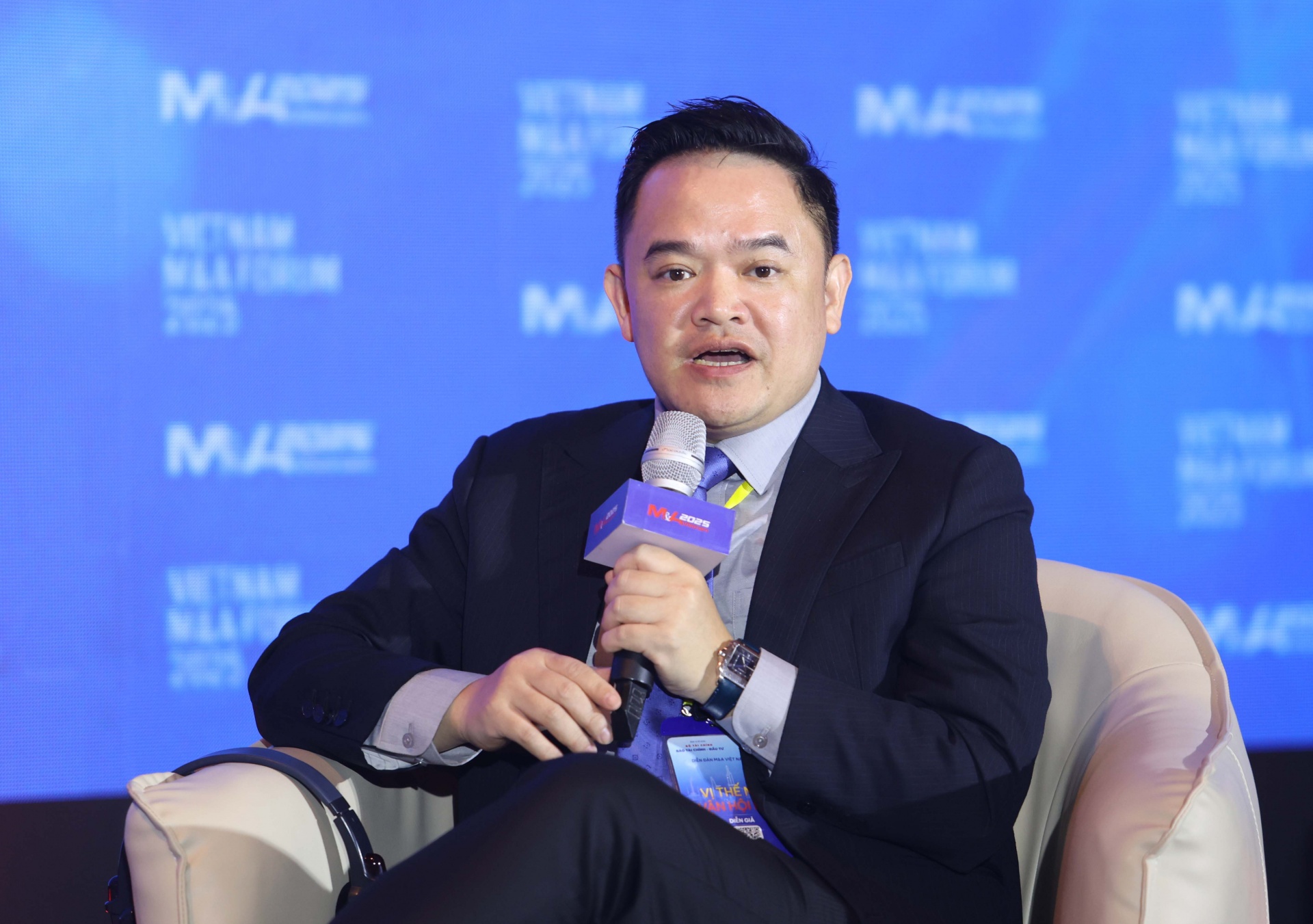
| Binh Le Vandekerckove, CEO and head of advisory at ASART Deal Advisory |
Commenting on whether businesses opt for an initial public offering (IPO) or an M&A deal, Binh Le Vandekerckove, CEO and head of advisory at ASART Deal Advisory, said, "It depends on whether companies prioritise privacy. It is true that businesses must have solid processes, compliance, and readiness given that an IPO is like a stage where the company becomes visible to and widely owned by the public."
In Vietnam, however, some firms go public for short-term purposes and later find themselves unsure of what to do on the bourse. This has contributed to the subdued IPO market over the past years.
"Another factor is whether businesses want 200 or 1,000 people owning their company, or whether they prefer only five or 10, or even just one or two," she said. "Many businesses do not anticipate that going public means sharing up to 90 per cent of their corporate information. By law, all information must be disclosed and explained to shareholders. As a result, companies must have teams capable of handling procedures for hundreds of shareholders."
"Ultimately, the key lies in the level of privacy a company wants to maintain, as well as its willingness to meet post-IPO commitments, especially sharing with investors in both good and difficult times," she stated.
 |
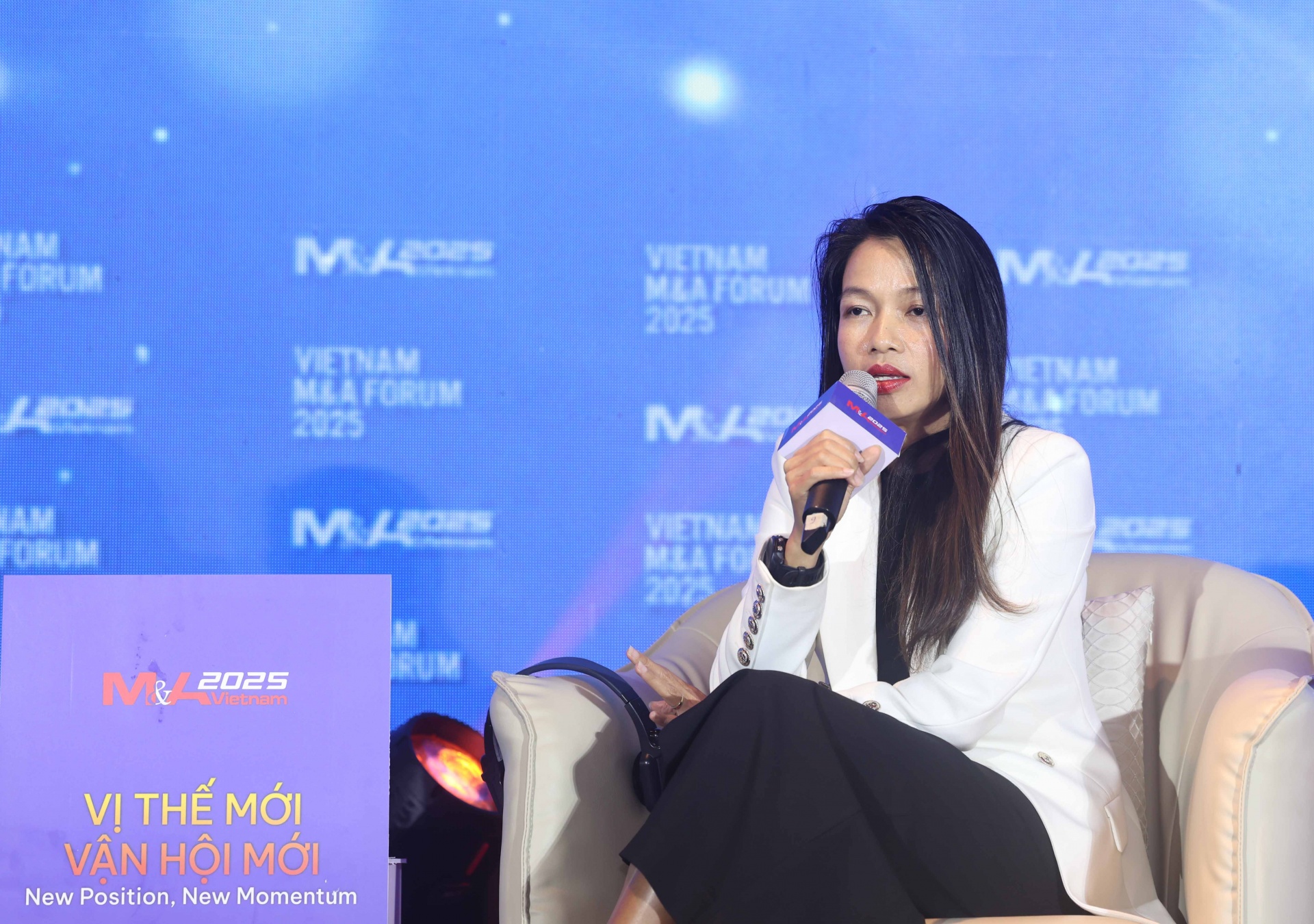
| Pham Duy Khuong, managing partner of ASL Law |
Pham Duy Khuong, managing partner of ASL Law, said, "Sectors including energy, real estate, infrastructure, industry, and technology share similar characteristics. Specifically, they involve large scale, technical complexity, and significant legal risk. Thus, foreign investors are concerned about whether the ventures in these sectors have full legality so they can disburse capital."
"There are three groups of legal risks for transactions in these sectors to be viewed as high legal costs,” Khuong said. "First is the consistency in implementing regulations across localities. In reality, some regulations are implemented differently depending on localities. This creates additional legal expenses and reduces market predictability for investors."
Second is the prolonged and uncertain administrative procedures. Some projects have been delayed for five to 10 years because of a lack of guidance and consensus among authorities to resolve bottlenecks.
Third is the legal issue of the assets and projects themselves in M&A deals. Several energy, industrial real estate, and infrastructure ventures have incomplete legal documents. Meanwhile, their old investors are facing financial difficulties as they are on the verge of bankruptcy, according to Khuong.
 |
| Khanh Nguyen, general director of Gamuda Land Vietnam |
Khanh Nguyen, general director of Gamuda Land Vietnam, shared, "Real estate has been among the leading sectors, often ranking second or third following the manufacturing industry. In Vietnam, Gamuda Land has increasingly solidified its presence in Vietnam, injecting about $1 billion to expand the land at its disposal."
"Over the past two to three years, positive developments in the market have significantly increased the asset value of investors," she said. "Gamuda Land sees Vietnam as a market with sustainable development and impressive GDP growth for many years. This is coupled with the expanding population and high housing demand. These indicators create an attractive foundation for foreign investors like Gamuda Land to continue expanding."
For the past three to four years, Gamuda Land has completed six M&A deals through partnerships or project acquisitions from local companies. The company has also received numerous cooperation proposals from existing partners and new investors.
“This will be a key driver enabling Gamuda Land to maintain and further strengthen its M&A activities over the next three to five years,” she emphasised.
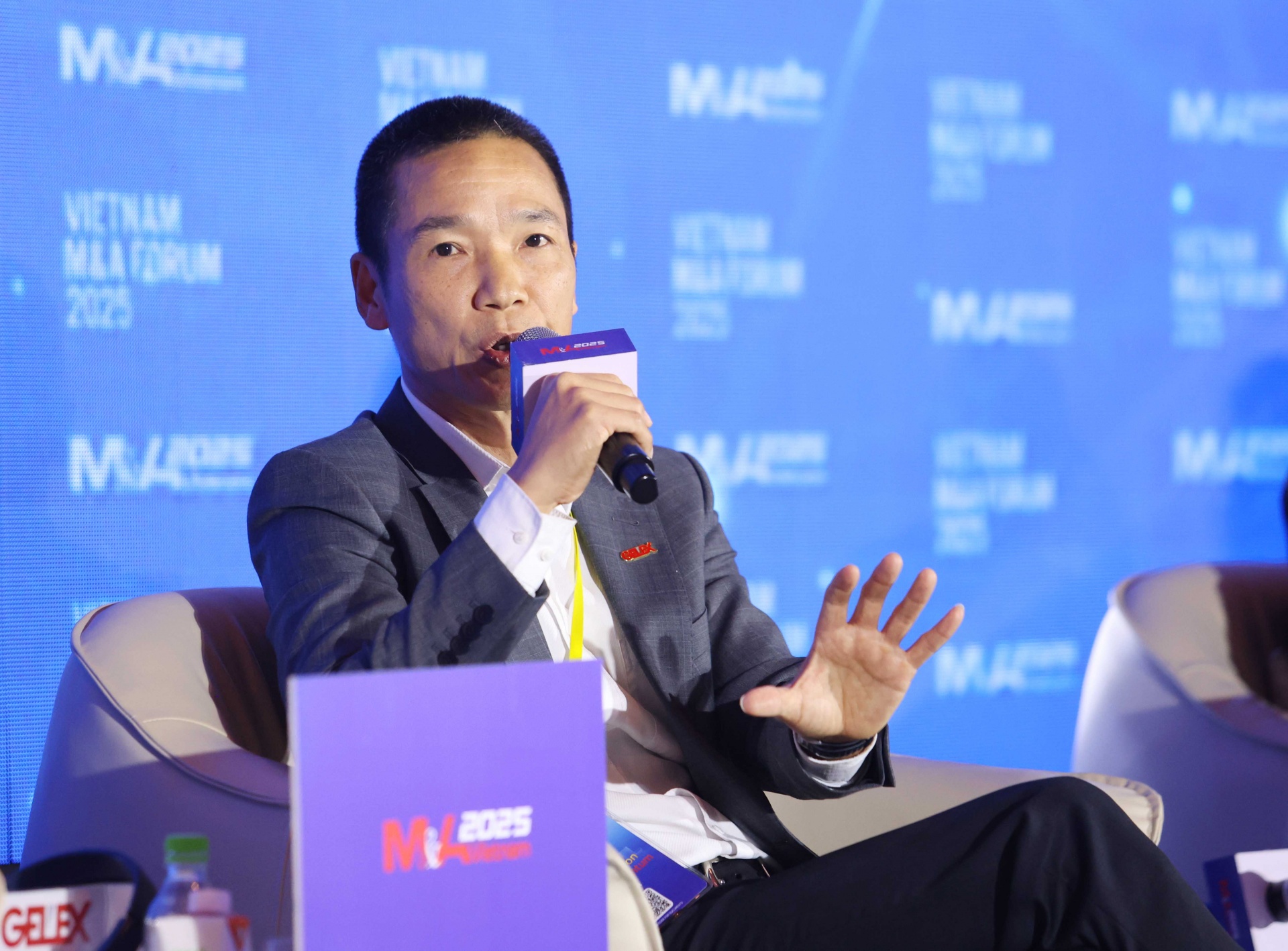 |
| Nguyen Hoang Long, deputy CEO of GELEX |
With extensive M&A experience, GELEX still considers energy a high-risk, large-scale sector with low profit margins. Therefore, the group is focusing on segments with stable cash flows such as industrial real estate, infrastructure, and industrial manufacturing, while raising standards in infrastructure – the new pillar of GELEX's growth.
From GELEX’s M&A journey, three key factors emerge. First, companies must build strategic capability and long-term thinking, as M&A is not a trading activity but a process of integrating new assets into an ecosystem. Second, strong deal-making skills are essential. This is particularly true when working with foreign partners whose negotiation styles and cooperation standards may differ greatly. Third, the post-M&A stage is crucial. Businesses must be prepared for governance, restructuring, and real development to create synergy of strength.
In cross-border M&A, a win-win mindset is fundamental. Companies must understand their partners for mutual benefits towards long-term and sustainable collaboration. In every transaction, equality and a shared strategy after closing the deal remain decisive factors that determine overall success.